The Bahamas LNG Project: A Bellwether for Integrated Gas Investment Amidst Market Swings
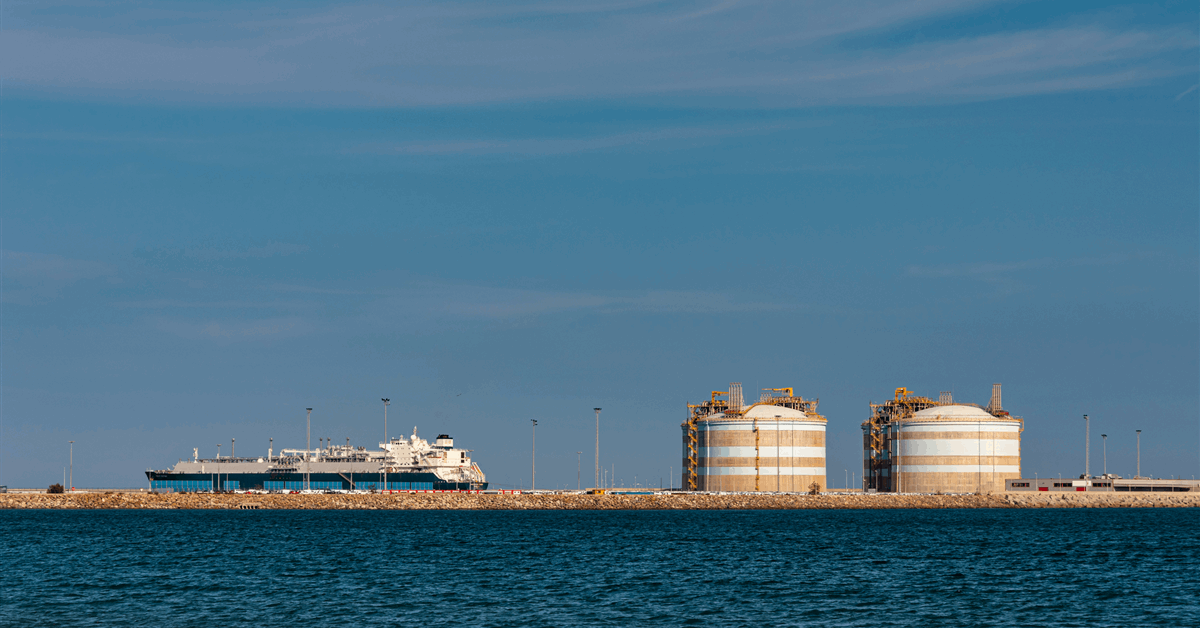
The recent contract award to Nikkiso Clean Energy & Industrial Gases Group by Shell PLC and Freeport Oil Company Limited (FOCOL) for the New Providence Gas Project in Nassau, the Bahamas, offers a compelling lens through which to view current investment trends in the energy sector. This initiative, designed to establish an LNG receiving terminal and regasification system to fuel new and retrofitted gas turbines, is more than just a regional infrastructure upgrade. It represents a microcosm of the broader shift towards natural gas as a critical transition fuel, Shell’s strategic positioning in integrated gas, and the burgeoning market for specialized cryogenic equipment providers like Nikkiso, all unfolding against a backdrop of significant crude market volatility.
LNG-to-Power: A Strategic Imperative for Energy Transition and Reliability
The New Providence Gas Project is a prime example of the accelerating global trend towards LNG-to-power solutions, particularly in island nations and remote areas seeking to enhance energy security and reduce carbon intensity. By supplying natural gas to power generation facilities at Clifton Pier, initially, and later at the BPL Blue Hills power plant, this project directly displaces diesel consumption. This shift is critical for nations like the Bahamas, where reliable, cost-effective power is paramount for economic development. Nikkiso’s role, providing a comprehensive LNG packaged regasification system capable of 55 million standard cubic feet per day (MMscfd) – including high-pressure submerged centrifugal pumps, a gas-fired water bath vaporizer, and advanced control systems – underscores the demand for integrated, modular solutions that minimize installation time and cost. The modular design, emphasized by Nikkiso, is a key selling point for projects needing rapid deployment and scalability, making such technologies highly attractive for investors eyeing the burgeoning global LNG infrastructure market.
Navigating Current Market Headwinds and Anticipating Key Catalysts
While the long-term outlook for natural gas infrastructure remains robust, the broader energy market is currently navigating significant short-term volatility. As of today, Brent Crude is trading at $90.38, reflecting a substantial daily decline of 9.07%, with a day range between $86.08 and $98.97. WTI Crude mirrors this trend, standing at $82.59, down 9.41% for the day. This sharp downward pressure follows a pronounced 14-day trend where Brent shed over $20, falling from $112.78 on March 30th to $91.87 just yesterday. Such movements invariably lead investors to question the immediate future of crude prices, with many in our community asking about the price of oil per barrel by the end of 2026.
Against this backdrop, upcoming events promise to be significant catalysts. The market is closely watching the OPEC+ Joint Ministerial Monitoring Committee (JMMC) meeting today, April 18th, followed by the full Ministerial Meeting tomorrow, April 19th. These gatherings are crucial for investors seeking clarity on production quotas and overall supply strategy, directly addressing the prevalent question among our readers regarding OPEC+ current production quotas. Any unexpected shifts in policy could further influence crude prices, impacting the economic attractiveness of alternative fuels like LNG. Furthermore, the API Weekly Crude Inventory report on April 21st and the EIA Weekly Petroleum Status Report on April 22nd will provide fresh insights into U.S. supply-demand dynamics, offering further data points for investors trying to predict market direction.
Shell’s Strategic Footprint and the ESG Dividend
Shell’s participation in the New Providence Gas Project is highly indicative of its strategic direction as an integrated energy major. The company has consistently emphasized its pivot towards natural gas as a cornerstone of its energy transition strategy, viewing it as a cleaner-burning bridge fuel. This project, replacing higher-carbon diesel with natural gas, aligns perfectly with ESG (Environmental, Social, and Governance) mandates that increasingly influence capital allocation decisions. For investors, Shell’s commitment to such projects signals a proactive approach to decarbonization while securing long-term demand for its substantial global LNG portfolio. The phased deployment of gas turbines, initially at Clifton Pier and then to Blue Hills, demonstrates a structured, pragmatic approach to infrastructure development, characteristic of large-scale energy projects. Such investments help diversify revenue streams away from solely upstream crude production, appealing to investors concerned about the long-term viability of traditional oil assets and seeking exposure to cleaner energy solutions.
Investment Opportunities in Specialized Cryogenic Technologies
Beyond the major players like Shell, this project highlights a critical investment theme: the growing demand for specialized technology and engineering firms that enable the LNG value chain. Nikkiso’s ability to engineer, manufacture, install, and service critical cryogenic equipment for remote locations positions it strongly within this niche. The company’s President and CEO, Adrian Ridge, underscored the importance of cryogenic equipment for expanding lower-carbon power generation, reinforcing the point that such specialized providers are indispensable. Investors should recognize the opportunities within companies offering proprietary technologies for regasification, liquefaction, and cryogenic storage. As more regions transition from diesel or heavy fuel oil to natural gas for power generation, the market for these sophisticated, modular solutions will continue to expand. This includes not only the equipment itself but also the associated engineering services, project management, and ongoing maintenance, creating a robust ecosystem for specialized energy infrastructure firms.


