The global financial landscape is currently a battleground of conflicting priorities, nowhere more apparent than in the ongoing debate around climate commitments and their impact on traditional energy sectors. While a growing chorus of financial institutions, particularly in the US, has scaled back their public affiliations with net-zero alliances, a powerful counter-narrative persists. Major insurers like Aviva are not only reaffirming their deep-seated climate goals but are articulating compelling business reasons for doing so, driven by the escalating costs of extreme weather events. This divergence creates a complex and often contradictory environment for oil and gas investors, demanding a nuanced understanding of capital flows, long-term demand drivers, and the evolving risk premium associated with energy assets.
The Shifting Sands of ESG Capital Allocation
Recent months have seen a noticeable recalibration among some of the world’s largest financial players regarding their public environmental, social, and governance (ESG) stances. Following renewed political pressures, particularly in the US, several prominent banks, including JP Morgan, Citigroup, and Goldman Sachs, have opted to withdraw from the Net-Zero Banking Alliance. This trend has not been confined to American shores, with UK lenders HSBC and Barclays also taking similar steps. This collective retreat has naturally fueled speculation about a broader weakening of climate commitments across the financial sector, raising questions about the future availability and cost of capital for traditional oil and gas projects.
However, this narrative of universal capitulation is far from complete. Aviva’s unwavering commitment to its net-zero ambition, as reiterated by its chief executive, serves as a powerful counterpoint. The insurer has recently published a fresh net-zero transition plan, targeting a 90% reduction in operational emissions by 2030 compared to 2019 levels, alongside sourcing all its electricity from renewables. This commitment, contrasted with the withdrawals by other financial giants, signals a significant schism within the financial world. For oil and gas investors, this means the ESG framework remains a potent, albeit fragmented, force. Our internal reader intent data consistently highlights investor interest in understanding the consensus 2026 Brent forecast and building base-case Brent price forecasts for the next quarter. The evolving and often contradictory signals from major capital providers like Aviva and the withdrawing banks introduce a significant variable into these long-term demand and valuation models, suggesting a continued premium on companies that can clearly articulate their own transition strategies and demonstrate resilience against shifting capital flows.
Climate Risk as a Core Business Imperative
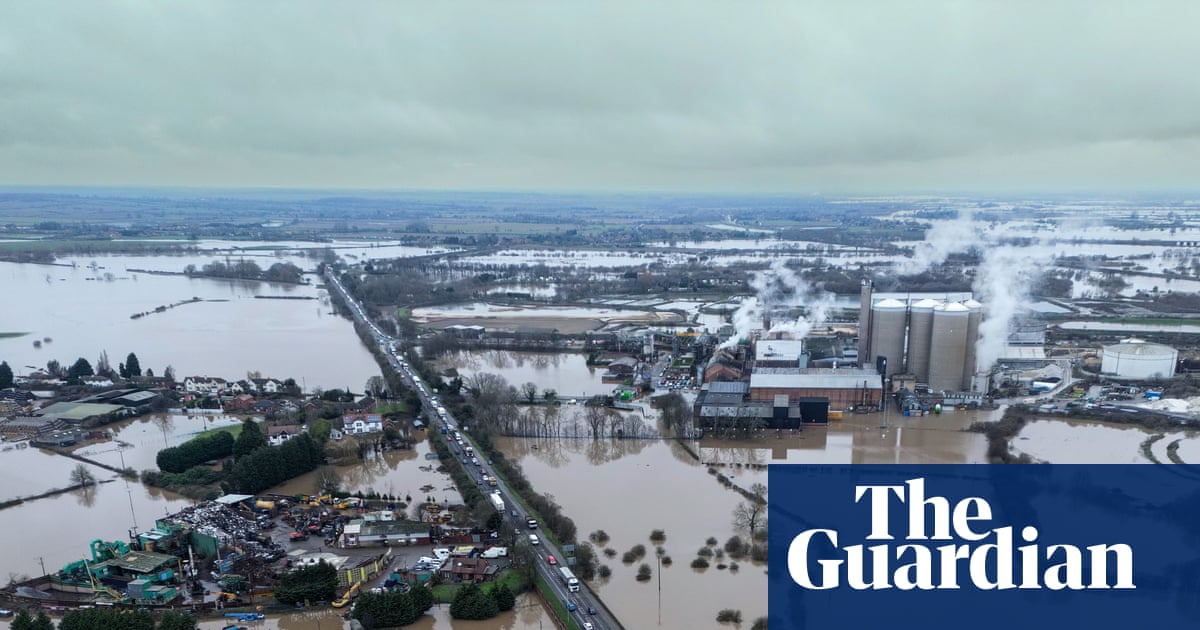
Aviva’s rationale for holding its net-zero line offers a critical perspective for energy investors: the tangible, financial impact of climate change. The insurer’s leadership directly links climate transition plans to the increasing frequency and severity of extreme weather events, which directly affect their core insurance business. From wildfires in Canada to floods across the UK, the escalating costs associated with these events are not abstract future scenarios but present-day challenges to property insurability and profitability. This perspective underscores that for some financial heavyweights, climate action is not merely an ethical consideration but a fundamental risk management and business continuity imperative.
For the oil and gas sector, this lens is crucial. While the immediate focus might be on supply-demand fundamentals, the long-term implications of a financial sector increasingly exposed to and acting upon climate risk cannot be ignored. If major insurers and capital providers are integrating climate risk more deeply into their underwriting and investment decisions, it could subtly but significantly alter the risk profile and cost of capital for energy projects perceived as misaligned with transition pathways. This isn’t just about direct divestment; it’s about the systemic repricing of risk across the economy, driven by the very real financial consequences of a changing climate. Investors in oil and gas must consider how their portfolio companies are addressing these systemic risks, as they will undoubtedly influence long-term valuations and access to capital.
Navigating Near-Term Volatility Amidst Strategic Shifts
While the long-term strategic decisions of financial institutions like Aviva shape the broader investment climate for oil and gas, near-term market dynamics continue to drive daily trading and short-term capital allocation. As of today, Brent Crude trades at $98.87, representing a robust 4.15% increase from yesterday’s close, with an intraday range of $94.42 to $99.84. This upward movement follows a notable retreat over the past 14 days, where Brent declined from $108.01 on March 26th to $94.58 yesterday, marking a 12.4% drop. WTI Crude has also seen a strong rebound, trading at $90.76, up 2.98% today, while Gasoline prices are up 2.66% at $3.08.
This daily volatility underscores the immediate impact of geopolitical events, inventory data, and demand signals on energy prices. Looking ahead, the next two weeks are packed with critical catalysts that will undoubtedly shape market sentiment and provide further direction for oil and gas investments. Investors should closely monitor the upcoming OPEC+ Joint Ministerial Monitoring Committee (JMMC) meeting on April 18th, followed by the full Ministerial meeting on April 20th. These meetings are pivotal for understanding the alliance’s production policy and will have immediate implications for global supply. Furthermore, the API Weekly Crude Inventory reports on April 21st and 28th, alongside the EIA Weekly Petroleum Status Reports on April 22nd and 29th, will offer crucial insights into US supply-demand balances. Complementing these are the Baker Hughes Rig Count releases on April 17th and 24th, providing a pulse on drilling activity and future production capacity. These scheduled events provide concrete data points for investors grappling with the broader strategic shifts in capital allocation and the ongoing debate surrounding energy transition.
Investor Mandates and the Future of Energy
The divergent paths taken by Aviva and other major financial institutions directly impact the mandates and risk assessments of oil and gas investors. Our proprietary reader intent data reveals a consistent demand for forward-looking analysis, with frequent queries about base-case Brent price forecasts for the next quarter and the consensus 2026 Brent forecast. These questions reflect a fundamental need to understand how both short-term market catalysts and long-term structural shifts, including those driven by ESG considerations, will influence energy valuations.
The stance taken by Aviva – prioritizing climate resilience due to direct business impacts and client expectations – suggests that a significant segment of the investment community will continue to demand robust sustainability strategies from energy companies. While some banks may have stepped back from explicit net-zero alliances, the underlying pressure from institutional investors, regulators, and indeed, the physical impacts of climate change, will persist. For oil and gas companies, this implies that maintaining access to broad capital pools and achieving favorable valuations will increasingly depend not just on operational efficiency and financial returns, but also on clear, credible plans for emissions reduction and adaptation. Investors must therefore look beyond headline news to understand the genuine depth of commitment within the financial sector and its long-term implications for the energy assets they hold, ensuring their portfolios are positioned for resilience in an increasingly bifurcated and climate-aware investment landscape.


