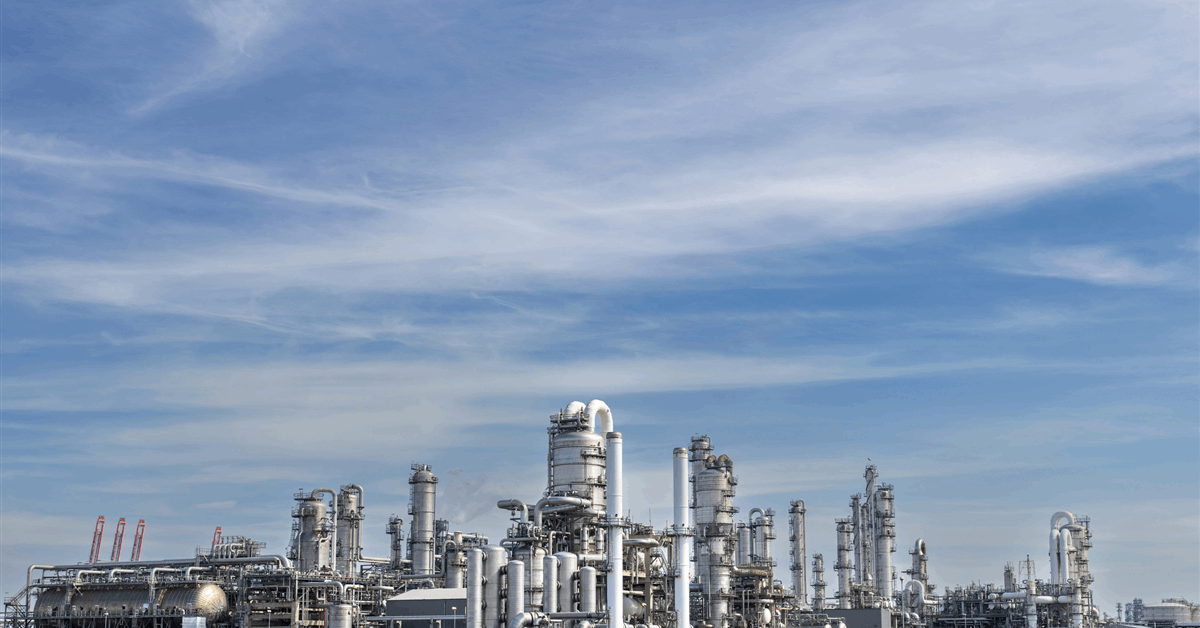
The recent completion of Chevron Phillips Chemical Company LLC’s low-viscosity polyalphaolefins (LV PAO) production unit expansion in Beringen, Belgium, marks a significant strategic move within the specialty chemicals landscape. Doubling the site’s capacity to an impressive 120,000 metric tons per year, this initiative establishes CPChem’s facility as the largest decene-based LV PAO production hub in Europe by volume. For investors tracking the broader energy and chemical sectors, this expansion is more than just a capacity increase; it’s a profound statement on long-term demand trends, feedstock strategy, and the evolving role of advanced materials in a rapidly changing energy economy. Our analysis delves into the implications of this expansion, leveraging our proprietary market data and investor sentiment insights to provide a comprehensive outlook.
Strategic Positioning in a High-Growth Niche
CPChem’s investment in its Beringen facility underscores a clear strategic bet on the sustained and growing demand for high-performance lubricants and functional fluids. LV PAOs are indispensable components across a diverse range of applications, from traditional automotive and industrial lubricants to critical emerging technologies. This includes the rapidly expanding electric vehicle (EV) market, where specialized lubricants are essential for thermal management and drivetrain efficiency, as well as the burgeoning wind energy sector and advanced immersion cooling systems for data centers. The company’s emphasis on strengthening its “legacy of operational excellence and innovation” highlights a commitment to securing a leadership position in these high-value segments. For investors, this signals a focus on segments with robust growth projections, often exhibiting higher margins and less susceptibility to the commodity price swings seen in upstream oil and gas. The move is a testament to the belief that the long-term value chain in energy extends well beyond crude production, into specialized derivatives that enable the energy transition itself.
Navigating Volatility: Feedstock Costs and Market Dynamics
The expansion comes amidst a dynamic and often volatile global energy market, a factor keenly watched by investors. As of today, Brent Crude trades at $98.87 per barrel, having surged by 4.15% in a single session, fluctuating within a daily range of $94.42 to $99.84. Similarly, WTI Crude stands at $90.76 per barrel, up 2.98%, with a daily range of $87.32 to $91.82. This daily upward swing, however, masks a broader trend: over the past 14 days, Brent has experienced a notable decline of 12.4%, moving from $108.01 to $94.58. Such significant price fluctuations directly impact the cost of feedstocks like decene, which are derived from crude oil or natural gas liquids. CPChem’s forward-thinking approach to mitigating this volatility is evident in the upgraded facility’s integration of advanced electrification technologies. By aiming to decrease its dependence on natural gas and exploring renewable electricity options, the company is not only reducing emissions but also enhancing long-term energy efficiency and cost stability. This strategic foresight provides a competitive advantage, insulating the operation somewhat from the vagaries of natural gas spot prices and bolstering its environmental credentials, a growing concern for institutional investors.
Investor Focus: Growth Drivers and Future Pricing Outlook
Our proprietary reader intent data reveals a consistent focus from investors on the future trajectory of crude prices, with frequent inquiries such as “Build a base-case Brent price forecast for next quarter” and “What is the consensus 2026 Brent forecast?” These questions underscore the critical link between upstream commodity prices and the profitability of downstream chemical operations. While direct crude price forecasts remain complex, CPChem’s expansion into high-value LV PAOs offers a partial hedge. The demand for these specialty chemicals, driven by structural shifts like EV adoption and renewable energy infrastructure, is less directly correlated with short-term crude price movements than, for example, gasoline consumption. This creates a compelling investment thesis for the specialty chemicals segment, offering a degree of resilience against broader energy market volatility. Furthermore, investor curiosity around “How are Chinese tea-pot refineries running this quarter?” indirectly highlights the importance of global industrial activity. A robust global economy, particularly in key manufacturing hubs like China, translates into higher demand for lubricants and industrial fluids, thereby supporting the underlying growth rationale for CPChem’s expanded capacity.
Upcoming Events and Their Influence on Chemical Sector Investment
The coming weeks present a series of critical energy market events that will undoubtedly shape the operating environment for chemical producers and influence investor sentiment. On April 18, the OPEC+ Joint Ministerial Monitoring Committee (JMMC) convenes, followed by the full OPEC+ Ministerial Meeting on April 20. Any decisions regarding production quotas from these meetings will have immediate and significant repercussions for global crude oil prices, directly impacting feedstock costs for PAO production. Furthermore, the weekly API and EIA crude inventory reports, scheduled for April 21, 22, 28, and 29, will offer real-time insights into supply-demand balances in the crucial U.S. market, influencing short-term price trends. Investors will also be watching the Baker Hughes Rig Count reports on April 17 and April 24 for signals on North American production activity, particularly relevant for natural gas and NGLs, which are key inputs for many chemical processes. While CPChem’s strategic expansion is a long-term play, these immediate market events create a dynamic backdrop, requiring chemical sector investors to remain agile and consider how short-term commodity swings might affect quarterly earnings, even as the long-term growth story remains compelling.


