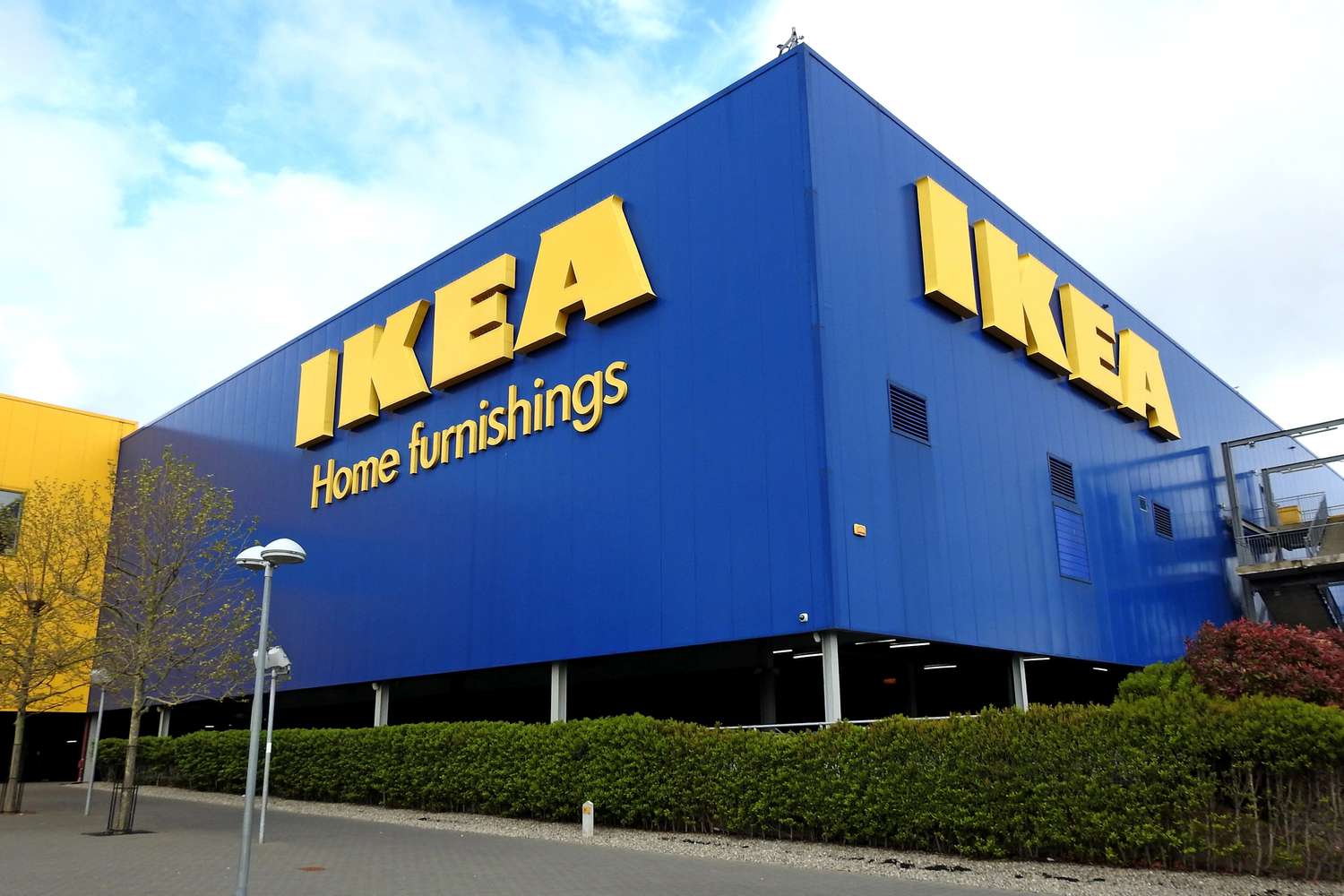
The recent growth capital investment by Ingka Investments, the investment arm of Ingka Group (the largest IKEA retailer), into Shanghai-based Re-mall marks a critical juncture for oil and gas investors. While seemingly a niche move into plastic recycling, this represents a significant structural shift with direct implications for petrochemical demand, a crucial growth pillar for the energy sector. Ingka’s first circular economy investment in China targets one of the world’s largest plastic markets, signaling a long-term commitment to scaling solutions that actively reduce reliance on virgin materials. For investors monitoring the evolving energy landscape, understanding how such initiatives erode future demand for petrochemical feedstocks derived from crude oil and natural gas is paramount, especially against a backdrop of volatile commodity prices and a global push for sustainability.
The Petrochemical Headwind from High-Quality Recycling
Re-mall specializes in transforming post-consumer food packaging waste into high-quality, transparent recycled polypropylene (rPP). This isn’t just any recycling; Re-mall’s proprietary process tackles long-standing challenges like contamination, material degradation, and high processing costs, enabling it to produce rPP pellets suitable for demanding applications like storage containers, tableware, and even cosmetics packaging. The ability to create transparent, high-grade rPP at scale directly displaces the need for virgin polypropylene production, which is a key derivative of naphtha or propane, both refined products from crude oil and natural gas. As of today, Brent Crude trades at $99.56, up 4.88% within a day range of $94.42-$99.84, while WTI Crude stands at $91.43, up 3.74%. These robust prices for crude oil translate directly into higher feedstock costs for petrochemical producers. In such an environment, the economic case for utilizing high-quality, sustainably sourced recycled materials becomes increasingly compelling for end-users, applying consistent downward pressure on the demand growth trajectory for virgin petrochemicals. This investment, therefore, is not merely an environmental statement; it’s an economic play that directly impacts the demand side of the petrochemical balance sheet.
China’s Pivotal Role and Investor Demand Shifts
Ingka’s decision to make its first circular economy investment in China underscores the strategic importance of the region. China is not only the world’s largest plastic market but also a critical hub for both petrochemical production and consumption. The scale of the Chinese market means that even incremental shifts towards recycled content can have a profound impact on global demand for virgin plastics and their underlying feedstocks. Investors are keenly focused on Chinese energy dynamics, frequently asking about the operational status of Chinese tea-pot refineries and their contribution to global demand. While tea-pot refineries primarily process crude for fuels, their integrated nature often includes significant petrochemical output. A long-term trend towards high-quality recycling, supported by major players like Ingka, suggests that future growth in China’s petrochemical demand may be increasingly met by circular solutions rather than solely by expanded virgin production capacity. This introduces a structural headwind that must be factored into any forward-looking analysis of Chinese refining and petrochemical operations, influencing long-term investment strategies.
Navigating Price Volatility: A Strategic Shift for Diversification
The energy market has been characterized by significant volatility, a factor that amplifies the appeal of stable, circular supply chains. Looking back, Brent crude saw a notable decline from $108.01 on March 26th to $94.58 on April 15th, a drop of 12.4% or $13.43 in just two weeks, only to rebound sharply today. This kind of price swing directly impacts the profitability and planning for petrochemical producers reliant on crude-derived feedstocks. Investors are actively seeking clarity on future price trajectories, with common questions revolving around building a base-case Brent price forecast for the next quarter and identifying the consensus 2026 Brent forecast. Ingka’s investment in Re-mall offers a crucial insight into how companies are hedging against this volatility. By securing a supply of high-quality rPP, companies like IKEA reduce their exposure to the unpredictable swings in crude oil and, by extension, petrochemical feedstock prices. For oil and gas investors, this signifies that a portion of future demand, particularly in the polypropylene sector, is becoming less correlated with crude oil prices and more linked to the efficiency and scale of recycling infrastructure. This shift necessitates a re-evaluation of long-term demand models, considering the growing influence of circular economy initiatives as a non-traditional competitor to virgin petrochemicals.
Upcoming Catalysts and the Long-Term Outlook for Petrochemicals
The immediate future for crude oil markets will be shaped by a series of critical events. This week and next, investors will closely watch the Baker Hughes Rig Count on April 17th and April 24th for indicators of North American supply. More significantly, the OPEC+ Joint Ministerial Monitoring Committee (JMMC) meeting on April 18th, followed by the Full Ministerial OPEC+ Meeting on April 20th, could introduce significant supply-side adjustments, directly impacting crude prices and, consequently, petrochemical feedstock costs. Further data points from the API Weekly Crude Inventory on April 21st and 28th, and the EIA Weekly Petroleum Status Report on April 22nd and 29th, will offer crucial insights into current demand-supply dynamics and inventory levels. These events will undoubtedly cause short-term price fluctuations, influencing refinery margins and the immediate economics of virgin plastic production. However, the long-term trend, as exemplified by Ingka’s investment in Re-mall, suggests a persistent, structural shift. While oil and gas companies will continue to benefit from robust energy demand, the petrochemical growth story, particularly in commodity plastics, faces a gradual but undeniable headwind from the expanding circular economy. Investors must factor in this strategic pivot by major global brands, understanding that sustained investment in advanced recycling technologies will increasingly cap the growth potential for virgin petrochemicals, creating a more diversified and complex risk profile for this segment of the oil and gas value chain.


