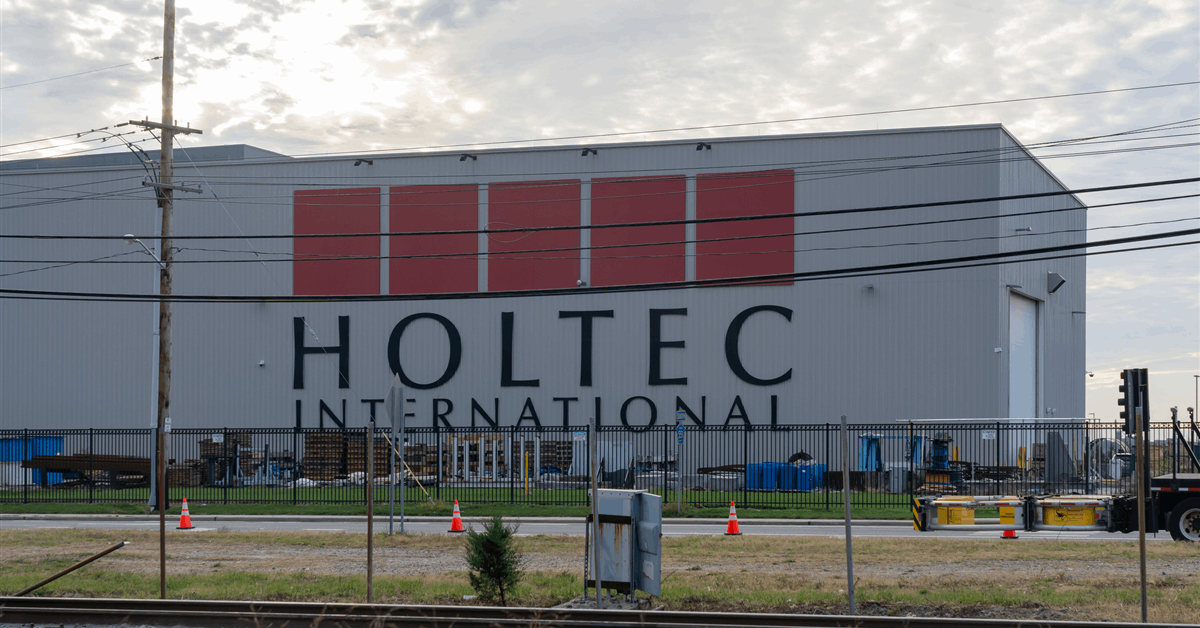
The U.S. Department of Energy’s (DOE) latest financial backing for Holtec’s Palisades Nuclear Plant restart signals a pivotal moment for America’s energy landscape. With an additional $83.2 million disbursed, bringing the total released funds to $335,112,194 out of a $1.52 billion loan guarantee, the project marks the nation’s first restart of a commercial nuclear reactor previously in decommissioning. This move is more than just a financial transaction; it represents a strategic pivot towards enhancing energy security, stabilizing grid infrastructure, and potentially reshaping long-term natural gas demand, with ripple effects across the broader hydrocarbon complex. For oil and gas investors, understanding the implications of a revitalized nuclear sector is crucial for forecasting future energy market dynamics and identifying emerging investment opportunities.
The Nuclear Renaissance: Bolstering U.S. Energy Security and Base-Load Power
The re-activation of the Palisades Nuclear Plant, with the Nuclear Regulatory Commission’s (NRC) approval secured in July and the financial close of the DOE loan guarantee announced in September 2024, is a landmark achievement. This initiative directly aligns with national objectives to invigorate the nuclear industrial base and ensure a resilient power supply. Nuclear power offers a stable, carbon-free source of electricity, operating around the clock regardless of weather conditions, a critical attribute for grid reliability. For investors, this re-emphasis on nuclear energy suggests a long-term commitment to diversifying the power generation mix away from an over-reliance on natural gas for baseload. Such diversification can mitigate price volatility in natural gas markets, indirectly influencing industrial operational costs and overall economic stability, factors that subtly impact broader energy demand projections. The significant financial commitment from the DOE underscores the strategic importance placed on nuclear as a foundational element of the future energy matrix, signaling potential for further investments in advanced reactor technologies and existing plant life extensions.
Market Dynamics: Nuclear’s Indirect Influence on Hydrocarbon Markets
While the direct impact of a single nuclear plant restart on global crude oil prices might seem marginal, its role in the broader energy ecosystem is undeniable, particularly concerning natural gas. Nuclear power directly displaces natural gas-fired electricity generation, freeing up gas for other uses or export. As of today, Brent crude trades at $99.56, marking a significant 4.88% daily increase, though it remains below its recent highs. Over the past 14 days, Brent has seen a notable decline from $108.01 to $94.58, illustrating the volatility investors navigate. WTI crude also saw a strong daily gain of 3.74% to $91.43, with gasoline prices climbing 2.66% to $3.08. These price movements are largely driven by immediate supply-demand balances and geopolitical factors. However, the long-term, stable contribution of nuclear power, like that from Palisades, to the electricity grid reduces systemic demand for natural gas in power generation. This structural shift can help temper natural gas price spikes, offering a more predictable energy cost environment for industries. For oil and gas investors, understanding this interplay is key; a more stable and diversified electricity grid may reduce the ‘gas-to-oil’ switching incentive during periods of extreme gas prices, thereby influencing demand dynamics at the margins of the crude market.
Investor Focus: Navigating Energy Transitions and Price Forecasts
OilMarketCap.com’s proprietary reader intent data reveals a strong focus on future price trajectories, with investors frequently asking for a base-case Brent price forecast for the next quarter and the consensus 2026 Brent forecast. While nuclear restarts do not directly dictate crude price movements day-to-day, they are crucial components of the overarching energy transition narrative that informs long-term forecasts. Investors are increasingly evaluating the entire energy stack, not just isolated commodities. A robust nuclear sector, exemplified by the Palisades restart, contributes to a more stable and cost-effective electricity supply. This stability can reduce the pressure on natural gas, which in turn impacts the overall energy cost structure and potentially influences industrial demand for other hydrocarbons over the long term. Reduced reliance on fossil fuels for baseload power generation contributes to global decarbonization goals, a factor that increasingly shapes investment decisions and long-term commodity outlooks. Therefore, while forecasting Brent’s immediate trajectory involves assessing geopolitical risks and inventory data, a comprehensive 2026 outlook must account for structural shifts in power generation that temper demand for competing fuels.
Forward Outlook: Strategic Shifts Amidst Upcoming Market Catalysts
Looking ahead, the next two weeks are packed with critical energy market catalysts that will undoubtedly influence investor sentiment. These include the Baker Hughes Rig Count reports (scheduled for April 17th and April 24th), the API Weekly Crude Inventory (April 21st, April 28th), and EIA Weekly Petroleum Status Reports (April 22nd, April 29th). Crucially, the OPEC+ JMMC and Full Ministerial meetings on April 18th and 20th respectively will set the tone for global crude supply. While these events directly address oil and gas supply and demand, the re-emergence of nuclear power, highlighted by the Palisades restart, represents a structural shift in base-load generation that will subtly influence the long-term demand narrative. OPEC+’s decisions on supply levels are influenced by global demand growth projections, and a diversified energy mix, including a growing nuclear component, contributes to the overall energy supply picture that policymakers and cartels consider. The successful restart of Palisades, and potentially other dormant nuclear facilities, offers a strategic hedge against volatility in fossil fuel markets for electricity generation. This diversification reduces the long-term reliance on gas-fired power, a factor that OPEC+ implicitly considers when assessing global energy stability and the elasticity of demand for hydrocarbons. Investors should monitor these nuclear developments not just as isolated projects, but as integral parts of a broader energy strategy that will progressively shape the demand side of the energy equation, influencing price stability and investment opportunities across all segments of the energy market.


