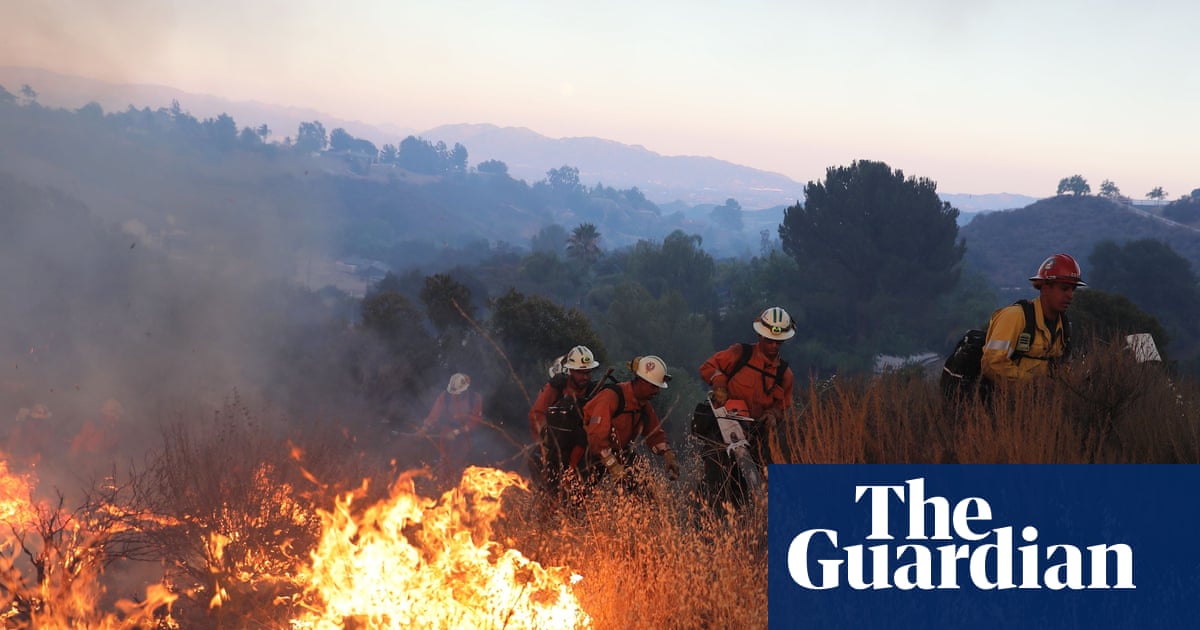
The intensifying wildfire season in Colorado presents a growing, multifaceted challenge for oil and gas investors, particularly those with exposure to the prolific Denver-Julesburg (DJ) Basin. What began as localized blazes has rapidly escalated, with one fire alone now ranking as the fifth largest in state history, fueled by extreme drought and highly volatile conditions. This escalating environmental crisis carries significant implications beyond immediate containment efforts, threatening regional production stability, impacting logistical chains, and adding a layer of uncertainty to an already dynamic global energy market. For investors, understanding the direct operational risks and the broader market signals emanating from these events is crucial for navigating potential volatility and assessing long-term asset resilience.
Mounting Operational Risks in the DJ Basin
The scale and ferocity of the current Colorado wildfires pose an immediate and tangible threat to oil and gas operations within and adjacent to the DJ Basin. The Lee fire, ignited by lightning on August 2nd, has already scorched over 130,000 acres and remains only 7% contained. Further east, the Elk fire has consumed more than 14,000 acres, with officials working to reinforce containment lines. These blazes are characterized by extreme fire behavior, driven by low humidity, gusty winds, and highly combustible fuel loads, leading to rapid spread and the potential for new ignitions over long distances.
The declaration of a disaster emergency by Governor Jared Polis underscores the severity of the situation. Evacuations across Garfield and Rio Blanco counties, key areas for energy infrastructure and personnel, highlight the direct risk to operational continuity. While reports have not yet confirmed direct damage to specific upstream assets, the presence of active fires in proximity to producing fields, coupled with regional air quality warnings and the evacuation of facilities like the Rifle correctional center, signal significant logistical hurdles. Operators in the DJ Basin face challenges ranging from ensuring personnel safety and rerouting supply chains to potential temporary production curtailments if fire lines encroach on critical infrastructure or if smoke and poor visibility hinder field operations. The ongoing nature of these fires, with months left in the typical high-risk season, means these operational pressures are unlikely to dissipate quickly.
Market Dynamics and Supply Concerns Amidst Price Swings
The localized supply threats emerging from the Colorado wildfires arrive at a complex juncture for global crude markets. As of today, OilMarketCap’s live data pipelines show Brent crude trading at $90.38, reflecting a significant daily dip of 9.07%. WTI crude similarly experienced a sharp decline, down 9.41% to $82.59, with both benchmarks demonstrating wide intraday ranges. This immediate downward pressure might seem counter-intuitive given regional supply concerns, yet it reflects broader macroeconomic anxieties or profit-taking following recent volatility. However, this daily movement is set against a backdrop of notable recent price erosion; our 14-day Brent trend analysis shows the benchmark shedding nearly 18.5%, dropping from $112.78 on March 30th to $91.87 just yesterday.
While global factors often dictate short-term price movements, sustained disruptions in a basin as significant as the DJ would inevitably exert upward pressure on prices. Investors should not be lulled by today’s downward price action; localized supply risks, when combined with geopolitical tensions or strategic inventory decisions, can quickly shift market sentiment. The question is not if, but when, these regional supply threats begin to be priced into the forward curve, especially if the fires persist and expand, impacting production volumes or delaying new drilling activity in Colorado.
Forward-Looking Analysis: Upcoming Catalysts and Production Outlook
The true impact of the Colorado wildfires on energy markets will unfold over the coming weeks and months, with several key events providing critical data points for investors. OilMarketCap’s upcoming energy events calendar highlights crucial releases that will shed light on supply-demand dynamics. Investors will be closely monitoring the API Weekly Crude Inventory and the EIA Weekly Petroleum Status Report, scheduled for April 21st/22nd and again on April 28th/29th. Any unexpected drawdowns, particularly in crude or refined product inventories within the Rockies region, could signal a tangible impact from the fires, amplifying concerns about regional supply constraints.
Furthermore, the Baker Hughes Rig Count, due on April 24th and May 1st, will offer an early indication of drilling activity in Colorado. A noticeable slowdown or reduction in active rigs in the state, potentially driven by fire-related access restrictions, permitting delays, or operator caution, would signal a direct hit to future production growth. Against this backdrop of localized supply concerns, the upcoming OPEC+ Joint Ministerial Monitoring Committee (JMMC) meeting on April 18th, followed by the Full Ministerial Meeting on April 19th, carries additional weight. While their decisions will govern global supply quotas, any regional bottlenecks caused by the wildfires will add another layer of complexity to the overall market balance, potentially limiting the effectiveness of global supply adjustments in addressing localized shortages.
Addressing Investor Concerns: Production Stability and Regional Exposure
OilMarketCap’s proprietary reader intent data reveals a keen focus this week on the trajectory of oil prices by year-end 2026 and the stability of global supply, alongside specific inquiries about individual company performance. Many investors are asking about the predicted price of oil per barrel by the end of 2026 and the current OPEC+ production quotas, seeking clarity on both long-term market direction and the foundational elements of global supply management. The Colorado wildfires, while a regional event, feed directly into these broader concerns by introducing additional uncertainty into North American production estimates.
For investors evaluating regional exposure, the escalating “new reality” of more intense and widespread wildfires, as officials describe it, demands a re-evaluation of operational resilience for companies with significant assets in the DJ Basin. While OPEC+ manages global supply, regional disruptions like these wildfires can create bottlenecks that impact local and national supply chains, potentially leading to price differentials and increased operational costs. Beyond immediate price movements, investors are increasingly scrutinizing how energy companies are incorporating environmental risks into their long-term strategies and capital expenditure plans. The resilience of DJ Basin operators to these evolving environmental challenges will be a critical factor in their performance and valuation moving forward.


