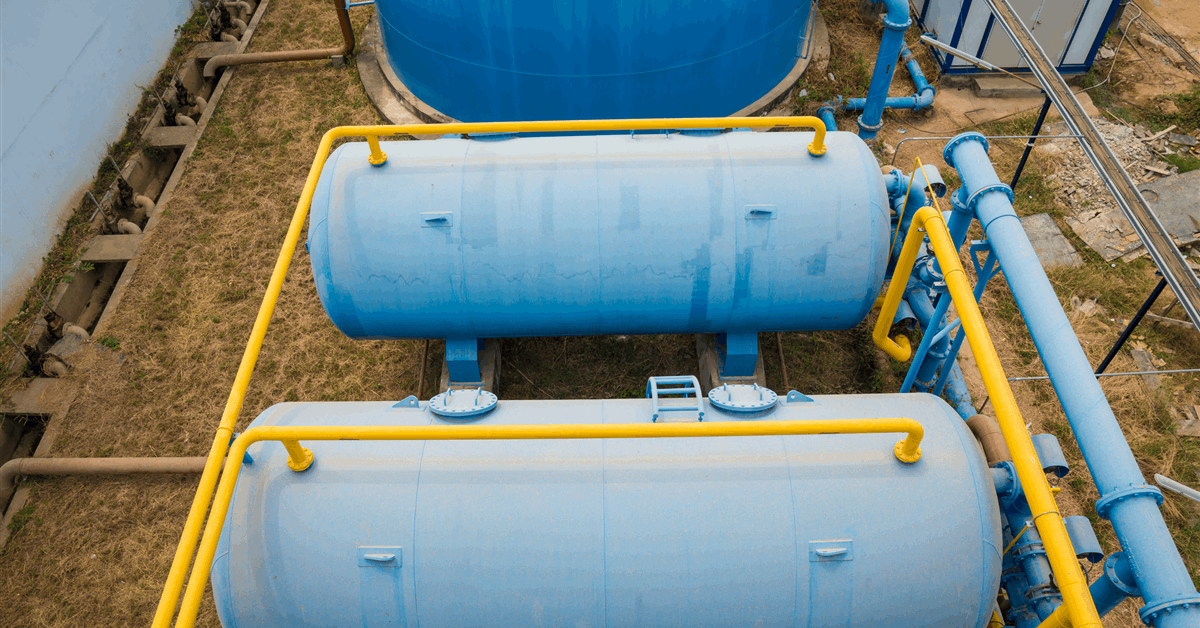
Western Midstream Partners LP (WES) has announced a definitive agreement to acquire Aris Water Solutions Inc. (ARIS) in an equity-and-cash transaction valued at approximately $1.5 billion. This strategic maneuver, carrying a total enterprise value of around $2.0 billion before transaction costs, represents a significant consolidation in the crucial produced water management sector within the Permian Basin. For investors, this deal signals Western Midstream’s commitment to expanding its high-quality, fee-based asset portfolio, enhancing its operational footprint, and fortifying its position as a leading infrastructure provider for the region’s prolific oil and gas production. As the industry navigates evolving market dynamics, understanding the implications of such a substantial acquisition is paramount for portfolio positioning.
Strategic Consolidation in the Permian’s Water Backbone
The acquisition of Aris Water Solutions is a clear strategic play by Western Midstream to bolster its presence and capabilities in the Delaware Basin, a core engine of U.S. crude production. Aris brings a robust portfolio of full-cycle water infrastructure, including approximately 790 miles of produced-water pipelines, 1.8 million barrels per day (MMBpd) of produced-water handling capacity, and 1.4 MMbpd of water recycling capacity. These assets are underpinned by an impressive 625,000 dedicated acres, secured through long-term contracts averaging ten years for produced-water and eight years for water solutions, primarily with investment-grade counterparties. This complements Western Midstream’s existing produced-water network, which features about 830 miles of pipeline and 2.035 MMbpd of total disposal capacity, also supported by significant minimum-volume commitments.
The synergy is not merely additive; it’s transformative. The integration extends Western Midstream’s existing footprint northward into the highly active Lea and Eddy Counties of New Mexico. This geographical expansion provides access to incremental throughput opportunities across not just produced water, but also natural gas and crude oil businesses. Furthermore, the acquisition of Aris’s McNeill Ranch offers upside potential through increased produced-water disposal capacity and other surface use opportunities. Perhaps most critically, Aris’s valuable expertise in beneficial reuse and desalination technologies aligns perfectly with the industry’s increasing focus on sustainable water management. Western Midstream expects to accelerate the research and advancement of these evolving technologies, leveraging greater access to efficient capital and economies of scale.
Valuation, Shareholder Returns, and Investor Sentiment Amidst Volatility
The deal structure offers Aris shareholders 0.625 common units of Western Midstream for each Aris share, with a cash election option of $25 per share, subject to proration for a maximum total cash consideration of $415 million. This blended equity-and-cash approach demonstrates Western Midstream’s confidence in its unit value while providing Aris shareholders with immediate liquidity or continued exposure to a larger, more diversified midstream entity. For investors keenly focused on the midstream sector, this move solidifies the trend of consolidation aimed at improving operational efficiencies and expanding critical infrastructure.
A key question for our readership revolves around the stability of the energy market and, specifically, “what the price of oil per barrel will be by end of 2026?” This long-term uncertainty naturally drives investors towards assets with predictable, fee-based revenue streams, which is precisely what produced water infrastructure offers. Unlike exploration and production companies directly exposed to commodity price swings, midstream assets like those being acquired by WES are largely insulated by long-term contracts and minimum volume commitments. This acquisition further enhances Western Midstream’s defensive characteristics, making it an attractive proposition for those seeking yield and stability in an otherwise volatile energy landscape. The strategic emphasis on extending contract tenor and securing dedicated acreage underscores a clear intent to de-risk future cash flows, a critical factor for sustained shareholder returns.
Current Market Headwinds and Midstream Resilience
The timing of this acquisition is particularly interesting, occurring against a backdrop of significant commodity price volatility. As of today, Brent Crude trades at $90.38 per barrel, marking a notable 9.07% decline within the day, with a range between $86.08 and $98.97. Similarly, WTI Crude has fallen to $82.59, down 9.41% today, experiencing a daily range from $78.97 to $90.34. This intraday swing is part of a broader trend; Brent crude has seen a substantial drop of 18.5%, moving from $112.78 on March 30th to $91.87 on April 17th. Gasoline prices reflect this pressure, currently at $2.93, down 5.18% today. Such sharp movements highlight the ongoing global supply/demand imbalances and geopolitical uncertainties.
However, this macro instability paradoxically underscores the value proposition of midstream infrastructure, particularly in the produced water segment. While E&P operators might scale back drilling programs in response to sustained lower prices, the existing production still generates significant volumes of produced water that require safe, efficient, and environmentally compliant handling. The long-term, fee-based contracts and minimum volume commitments that characterize Aris’s and Western Midstream’s operations provide a crucial buffer against commodity price fluctuations. This acquisition, therefore, is not just about growth; it’s about enhancing the resilience of Western Midstream’s earnings power by deepening its involvement in a mission-critical, high-margin service that is less susceptible to the daily swings of crude and gas prices.
Forward Outlook and Catalysts for the Combined Entity
Looking ahead, the successful integration of Aris into Western Midstream is expected to close in the fourth quarter, pending customary conditions, regulatory approvals, and Aris shareholder assent. This timeline sets the stage for the combined entity to begin realizing synergies and leveraging its expanded footprint in 2027. Investors should monitor several upcoming energy events that could shape the operating environment for the new, larger midstream player. This weekend, the OPEC+ Joint Ministerial Monitoring Committee (JMMC) and the full Ministerial Meeting are scheduled, which could provide clarity on future production quotas. Our readers are actively seeking information on “OPEC+ current production quotas,” as these decisions directly influence global supply and, consequently, drilling activity in key basins like the Permian.
Further down the calendar, weekly data releases such as the API and EIA Crude Inventory reports (due on April 21st, 22nd, 28th, and 29th) and the Baker Hughes Rig Count (April 24th, May 1st) will offer critical insights into U.S. production trends and drilling activity. Any sustained increase or decrease in rig counts, driven by market conditions and OPEC+ policies, will directly impact the volumes of crude, gas, and crucially, produced water flowing through Western Midstream’s expanded network. A robust rig count supports higher throughput and the potential for expansion, while a decline could test the resilience of existing minimum volume commitments. The combined entity’s enhanced capacity and strategic positioning in Lea and Eddy Counties, New Mexico, mean it is well-placed to capitalize on any sustained growth in Permian Basin activity, irrespective of short-term price volatility.


