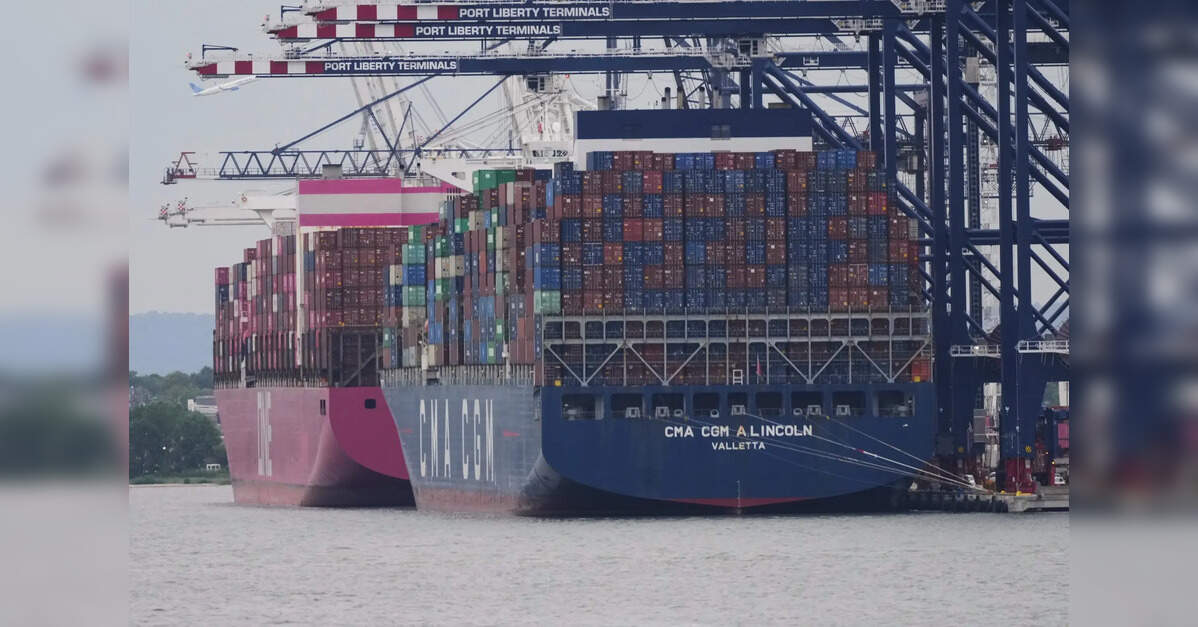
In a significant escalation of international trade tensions, the United States has commenced implementing new tariffs against India, immediately impacting a broad spectrum of Indian imports. Effective August 7, a 25 percent duty now applies to goods entering US ports from India, marking a pivotal moment in Washington’s ongoing strategy to redefine global commerce. This initial phase, confirmed by President Donald Trump via a Truth Social post proclaiming “It’s midnight!!! Billions of dollars in tariffs are now flowing into the United States of America!”, also saw similar duties activated across approximately 70 other nations shortly after midnight in New York. However, for India, the financial burden is set to intensify dramatically, with an additional 25 percent tariff slated for August 27, elevating the total duty on Indian goods to a substantial 50 percent. Investors must now assess the immediate and impending ramifications of these protectionist measures on supply chains, market valuations, and the broader energy landscape.
Geopolitical Undercurrents: The Russian Oil Nexus
The aggressive tariff imposition directly stems from India’s steadfast commitment to purchasing Russian crude oil. Washington views these transactions as actively undermining its comprehensive sanctions regime against Moscow, implemented in response to the ongoing conflict. The Trump administration unequivocally justifies these tariffs on national security grounds, asserting that India’s direct or indirect acquisition of Russian crude oil contravenes explicit US foreign policy objectives. Enforcement leverages the International Emergency Economic Powers Act, citing the enduring national emergency linked to Russia. Crucially, the White House has clarified that this policy extends beyond direct purchases, encompassing imports facilitated through intermediaries or countries that re-export Russian-sourced petroleum, thereby closing potential loopholes for circumvention. This expansive interpretation significantly broadens the scope of potential economic fallout for any entity involved in the Russian oil trade, directly or indirectly.
Market Implications for Oil & Gas Investors
For investors deeply entrenched in the oil and gas sector, these tariffs introduce a new layer of complexity and risk. India, as the world’s third-largest energy consumer and a significant importer of crude oil, plays a critical role in global demand dynamics. The imposition of a 50 percent duty on its exports to the US will inevitably strain India’s economy, potentially dampening its overall growth trajectory and, by extension, its long-term energy demand projections. Companies with substantial trade links to both the US and India, particularly those involved in energy infrastructure, refining, or petrochemicals, face direct exposure to these escalating duties. Furthermore, the tariffs could trigger a re-evaluation of global supply routes and trading partnerships, potentially increasing shipping costs and disrupting established energy trade flows. The ripple effect may extend to commodity prices as market participants price in increased geopolitical risk and potential supply chain reconfigurations.
India’s Firm Stance: National Interest vs. Sanctions
India’s Ministry of External Affairs has vehemently denounced the US actions, characterizing them as “unfair, unjustified, and unreasonable.” New Delhi vigorously defends its energy procurement strategy, emphasizing its critical importance for national interest, particularly given its vast population and limited indigenous energy resources. Indian officials highlight the nation’s imperative to secure affordable energy supplies to fuel its economic development and ensure energy security for its citizens. Furthermore, India points to the continued trade in Russian oil by several European nations, arguing that it is being unfairly singled out for policies that are not universally applied. This defiant stance underscores a fundamental clash of economic and strategic priorities, signaling a protracted period of diplomatic and economic tension between two key global players. The situation forces investors to consider the potential for further retaliatory measures or a broader unraveling of trade relations, impacting various sectors beyond just energy.
Broader Trade War Concerns and Global Energy Security
While the immediate focus remains on India, it is imperative to contextualize these tariffs within the broader framework of President Trump’s “America First” trade agenda. The simultaneous activation of duties against approximately 70 other countries on August 7 signals a concerted effort to reshape global trade rules on a much wider scale. This aggressive posture introduces significant uncertainty into international supply chains and raises the specter of a full-blown global trade war. For the energy sector, this could translate into heightened volatility, as geopolitical considerations increasingly override traditional supply and demand fundamentals. Energy companies and investors must now contend with a complex web of tariffs, sanctions, and retaliatory measures that could impede cross-border projects, impact investment decisions, and ultimately influence the global trajectory of energy transition and security. The implications for long-term investment strategies, particularly in emerging markets and regions susceptible to geopolitical pressures, demand careful scrutiny and adaptive planning.
The unfolding scenario between the United States and India serves as a stark reminder of the intricate interplay between geopolitics, trade policy, and global energy markets. As the August 27 deadline approaches, escalating the tariff burden to 50 percent, market participants will be closely monitoring diplomatic developments and their potential to either de-escalate or further exacerbate economic friction. Navigating this environment requires a nuanced understanding of international relations alongside robust financial analysis to identify both risks and potential opportunities arising from these unprecedented trade actions.


