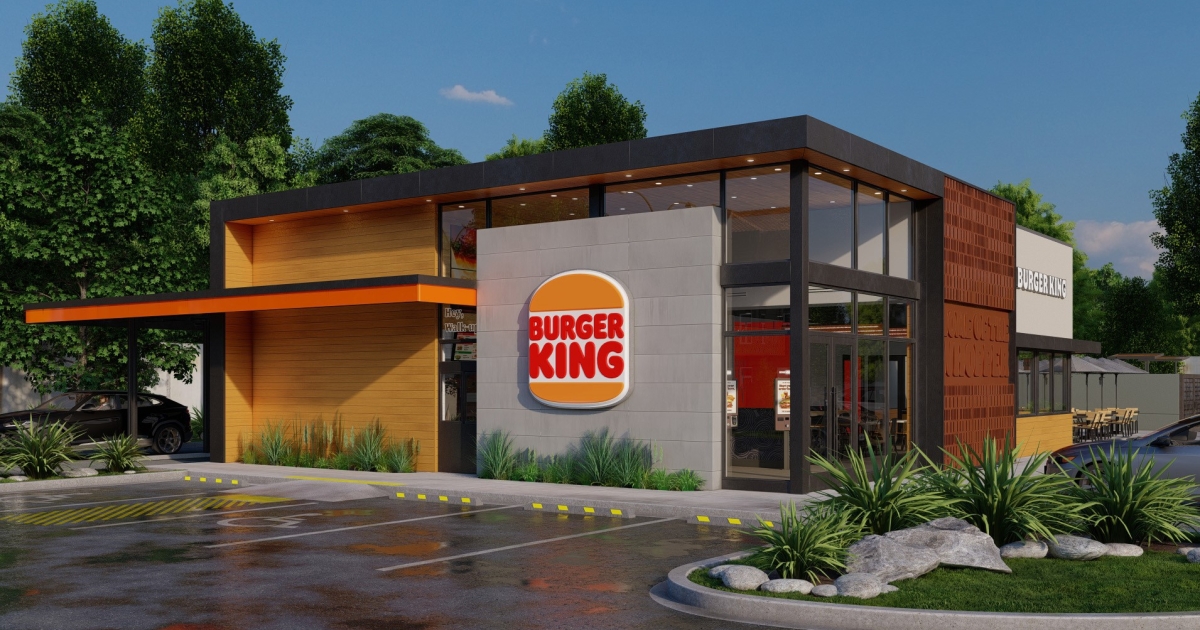
In a significant move underscoring the accelerating corporate shift towards sustainable energy, global fast-food giant Burger King has substantially expanded its power purchase agreement (PPA) with Spanish utility Iberdrola España. This latest commitment adds 34 megawatts (MW) of new photovoltaic (PV) capacity, bringing the total renewable energy procurement for Burger King’s Spanish operations to a robust 109 MW. For investors monitoring the energy transition, this alliance highlights key trends in corporate sustainability, energy security, and the growing financial viability of green power. The expanded PPA is set to supply approximately 1,900 gigawatt-hours (GWh) of renewable electricity over its duration, a critical factor for managing long-term energy costs and meeting environmental, social, and governance (ESG) objectives.
Securing Green Power for Extensive Operations
This enlarged PPA is designed to meet the annual electricity demands of more than 900 Burger King restaurants across Spain. For a sector often characterized by high energy consumption, securing such a substantial volume of renewable power offers significant benefits. Beyond the obvious environmental advantages, these long-term contracts provide price stability against volatile wholesale energy markets, a compelling financial argument for any large-scale operator. The 109 MW of PV capacity demonstrates a serious commitment to decarbonization, reflecting a broader corporate trend where companies are not just offsetting emissions but are actively investing in and procuring renewable energy directly from generation sources.
The collaboration between Iberdrola España and Burger King is not merely a transactional agreement; it represents a deepening strategic partnership focused on comprehensive energy solutions. For investors in the utility sector, this exemplifies the evolving role of energy providers from simple suppliers to integrated energy partners, offering tailored solutions that include generation, distribution, and smart energy management. This model creates sticky client relationships and predictable revenue streams, which are attractive attributes in a rapidly transforming energy landscape.
Electrification Beyond the Grid: EV Charging Infrastructure
The strategic alliance extends beyond direct renewable electricity procurement to encompass crucial infrastructure for the burgeoning electric vehicle (EV) market. Under a 2021 collaboration with BP Pulse, Iberdrola España and Burger King are actively managing the installation and operation of 348 EV charging points across 173 Burger King locations in Spain. This move is particularly insightful for investors observing the convergence of the energy, automotive, and retail sectors.
By integrating EV charging facilities into their restaurant network, Burger King is not only enhancing customer convenience but also positioning its locations as energy hubs. This diversification of services can drive additional foot traffic, extend customer dwell time, and create new revenue opportunities. For oil and gas investors, this trend signifies the ongoing shift in transportation fuels and the imperative for traditional energy companies, like BP through its BP Pulse venture, to adapt and capture new market segments in the electrification era. The strategic placement of charging points at easily accessible retail locations is a key enabler for widespread EV adoption, making these partnerships critical for the future of sustainable mobility.
Executive Insights: A Blueprint for Corporate Sustainability
Statements from the leadership of both companies provide valuable insights into the motivations behind this expanded partnership. David Martinez, Business Director of Customers Spain at Iberdrola, emphasized the long-standing nature of their collaboration and the PPA’s role as “the ideal tool for customers who want to secure renewable energy consumption at a fixed, competitive price over the long term.” This highlights the financial prudence inherent in such agreements, offering budget certainty in a volatile energy market – a significant draw for any corporation managing large operational costs.
Jorge Carvalho, CEO of Burger King Spain, reiterated the company’s commitment to “make our restaurants more energy-efficient” and “invest in partnerships like this that help us move forward” in promoting clean energy. These remarks underscore the dual drivers of corporate sustainability: environmental responsibility and operational efficiency. For investors, particularly those focused on ESG criteria, these commitments signal robust corporate governance and a proactive approach to managing climate-related risks and opportunities.
The emphasis on electrification as the “most efficient solution” by Iberdrola’s Martinez further reinforces the strategic alignment. This isn’t just about sourcing green electrons; it’s about optimizing energy usage across the entire operational footprint, from restaurant lighting and cooking equipment to customer amenities like EV charging. Such comprehensive strategies are becoming the benchmark for corporate sustainability efforts.
Investment Implications for the Energy Sector
This expanded PPA between Iberdrola and Burger King serves as a powerful case study for investors in the broader energy and infrastructure markets. For renewable energy developers and operators, the growing demand from corporate off-takers for long-term PPAs provides a stable revenue foundation, de-risking project financing and encouraging further investment in new generation capacity. The scale of this deal – 109 MW – demonstrates the significant appetite for large-scale renewable procurement among major corporations.
For traditional oil and gas companies, this trend underscores the necessity of diversification and strategic pivots. While fossil fuels remain critical for global energy supply, the increasing adoption of renewable PPAs by major corporations signals a structural shift in demand. Companies that successfully transition, invest in renewables, and develop expertise in integrated energy solutions, like BP with its EV charging ventures, are better positioned for future growth. Conversely, those that fail to adapt risk being left behind as the energy landscape rapidly evolves.
Moreover, the integration of EV charging infrastructure into retail networks presents a significant growth vector. Investors should look for companies that are strategically partnering across sectors to build out this critical infrastructure, as it will be essential for enabling the mass adoption of electric vehicles and transforming consumer behavior. The Burger King-Iberdrola-BP Pulse collaboration offers a tangible example of such forward-thinking integration, shaping the future of both corporate energy consumption and consumer mobility.
In conclusion, Burger King’s enlarged green power agreement with Iberdrola España, complemented by its EV charging initiatives, is more than just a headline; it’s a clear signal of the ongoing energy transition’s momentum. It provides a blueprint for corporate action, demonstrating how major brands are actively securing energy security, achieving sustainability goals, and driving new revenue streams through strategic renewable energy investments and infrastructure development. For astute investors, these developments highlight where capital is flowing and where future growth opportunities lie within the dynamic global energy market.


