Himalayan Flash Flood Signals Elevated Energy Demand Risks for India
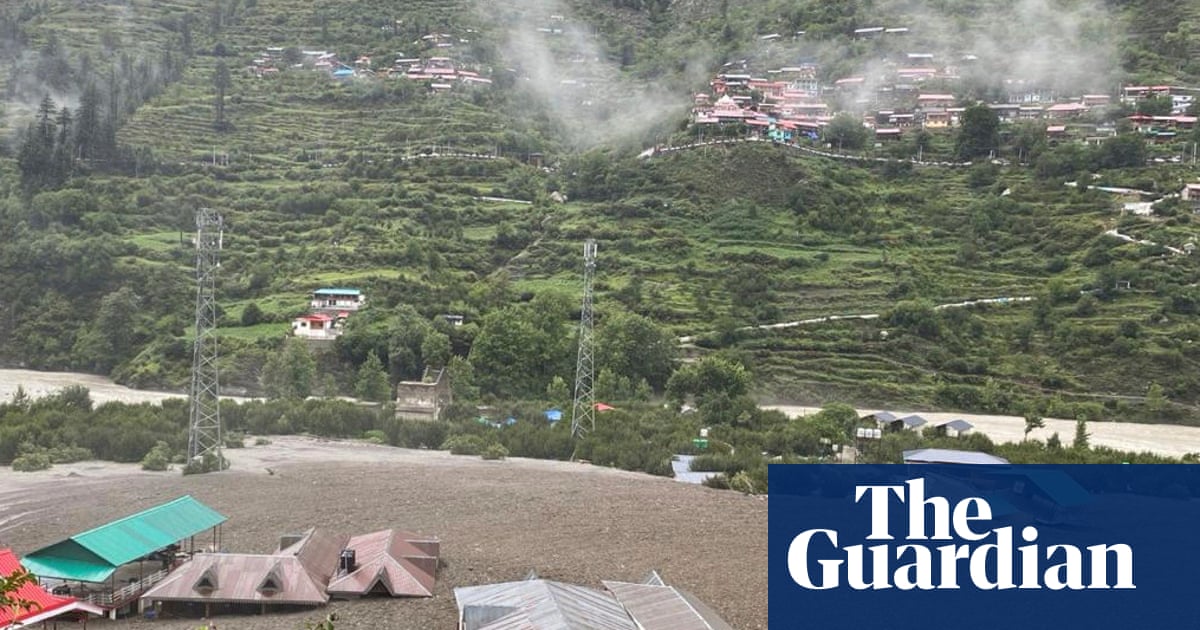
A catastrophic flash flood has recently devastated a town within India’s Himalayan region, sending a destructive torrent of mud and debris through a mountain valley. This natural disaster has not only claimed at least four lives and left approximately 100 individuals missing but also spotlights the increasing vulnerability of regional energy demand and critical infrastructure to extreme weather events. For investors tracking India’s burgeoning energy sector, this incident serves as a stark reminder of the climate-related risks that can impact market stability and operational continuity.
Devastation in Uttarakhand: Immediate Impacts on Local Economy and Energy Use
The calamity unfolded in the Dharali area of Uttarakhand state, where Indian media captured harrowing footage of muddy waters engulfing residential blocks and sweeping away structures. Eyewitness accounts describe a terrifying surge that forced residents to flee, only for many to be overtaken by the deluge. Officials, including Defence Minister Sanjay Seth and Uttarakhand Chief Minister Pushkar Singh Dhami, have confirmed the severity of the situation, with extensive search and rescue operations underway. Approximately 150 army troops have been deployed, successfully aiding around 20 survivors from the freezing sludge. The scale of destruction, with vast swathes of the town inundated by deep debris reaching some rooftops, signals a significant disruption to local economic activity and, by extension, immediate energy consumption.
Such localized disasters invariably suppress demand for petroleum products and electricity in affected areas. Transportation grinds to a halt, commercial operations cease, and residential power needs become secondary to survival and rescue efforts. While the immediate localized impact on India’s national energy consumption might appear marginal, the cumulative effect of increasingly frequent and severe weather events across the subcontinent presents a more substantial concern for overall energy market stability and investor confidence.
Infrastructure Vulnerability and Supply Chain Concerns
The India Meteorological Department issued a red alert for the area, reporting “extremely heavy” rainfall, with isolated parts of Uttarakhand receiving an estimated 21 centimeters (8 inches). This intense cloudburst triggered the unprecedented flooding. While direct reports of damage to major oil and gas infrastructure, such as pipelines or refineries, in the immediate vicinity were not specified, the broader implications for logistics and energy supply chains cannot be overlooked. India’s energy grid and transportation networks are vast, but critical arteries often traverse challenging terrains, making them susceptible to disruptions from landslides and floods.
Investors in India’s energy sector, from refining and marketing companies to upstream exploration firms, must factor in the potential for supply chain bottlenecks. Damaged roads, bridges, and rail lines can impede the delivery of crude oil to refineries, the distribution of refined products to consumption centers, and even the movement of personnel and equipment for energy projects. These disruptions can lead to temporary localized fuel shortages, price volatility in regional markets, and increased operational costs for energy companies.
Broader Economic Implications and National Energy Demand
India is a colossal energy consumer, with its economic growth inextricably linked to robust and reliable energy supply. The nation’s energy demand trajectory is a key driver for global oil and gas markets. While a single localized flood may not derail national energy projections, the increasing frequency and intensity of such events, particularly during the monsoon season (June to September), pose a systemic risk to sustained economic expansion. Prime Minister Narendra Modi’s condolences and assurance of “no stone being left unturned” underscore the national importance of disaster response, yet the recurring nature of these challenges demands long-term strategic adjustments.
Each major weather event necessitates significant recovery efforts, diverting resources and impacting economic output. For oil and gas investors, this translates into potential headwinds for consistent demand growth, particularly in sectors heavily reliant on stable infrastructure and predictable consumer behavior. Persistent disruptions can dampen industrial activity, agricultural output, and overall consumer spending, all of which directly influence India’s appetite for crude oil, natural gas, and refined petroleum products.
Climate Crisis: A Systemic Risk for Energy Investments
Experts consistently link the increasing severity of floods and landslides in India to the evolving climate crisis, exacerbated by rapid urbanization. The UN’s World Meteorological Organization has previously highlighted that more intense floods and droughts are a “distress signal,” indicative of an increasingly unpredictable global water cycle. For the oil and gas industry, this global phenomenon translates into heightened operational risks, increased capital expenditure for climate resilience, and potential shifts in energy policy.
Energy companies operating in vulnerable regions like the Himalayas or other flood-prone areas of India may face escalating costs for protecting assets, reinforcing infrastructure, and securing supply routes. Furthermore, the societal and economic burden of these disasters can accelerate the push towards renewable energy sources and more decentralized energy systems, potentially influencing long-term investment strategies in traditional fossil fuels. Investors must evaluate the long-term implications of climate-induced extreme weather events on asset valuation, project feasibility, and overall market sentiment within the Indian energy landscape.
Investor Outlook: Navigating Uncertainty in India’s Energy Future
The recent flash flood in Uttarakhand serves as a potent reminder that while India offers compelling growth opportunities for oil and gas investors, these prospects are increasingly intertwined with environmental and climate-related risks. The monsoon season, traditionally a period of heightened caution, now carries an amplified threat due to climate breakdown.
Astute investors will integrate comprehensive climate risk assessments into their due diligence processes for Indian energy assets. This includes evaluating the physical resilience of infrastructure, the robustness of supply chains, and the potential for policy shifts aimed at mitigating climate change impacts. While India’s fundamental energy demand growth remains strong, driven by a growing population and industrialization, the path to meeting this demand will be increasingly challenged by the unpredictable forces of a changing climate. Diversification, strategic partnerships, and a focus on sustainable energy solutions will be crucial for navigating the evolving investment landscape in this vital Asian energy market.


