India’s Unwavering Resolve: A Strategic Energy Play
As global energy markets navigate a complex web of geopolitics and economic pressures, India continues to demonstrate an unwavering commitment to its strategic energy interests. A recent and significant development underscores this resolve: India’s steadfast procurement of Russian crude oil, even in the face of renewed geopolitical headwinds, including explicit threats from former U.S. President Donald Trump. This decision, rooted firmly in economic pragmatism, is set to shape not only India’s domestic energy landscape but also have far-reaching implications for international oil flows, refining economics, and investor sentiment across the sector.
For investors monitoring the energy sector, India’s stance presents a crucial case study in balancing national economic imperatives with international political pressures. The core of India’s strategy is transparent and focused: ensuring affordable energy for its vast consumer base. Senior government sources confirm this priority, stating unequivocally that decisions will be guided by consumer welfare and optimal pricing. If Russian crude offers a superior cost advantage compared to alternatives from West Asia or the United States, then securing that supply remains a non-negotiable economic benefit.
The Geo-Economic Trilemma: Balancing Security, Affordability, and Influence
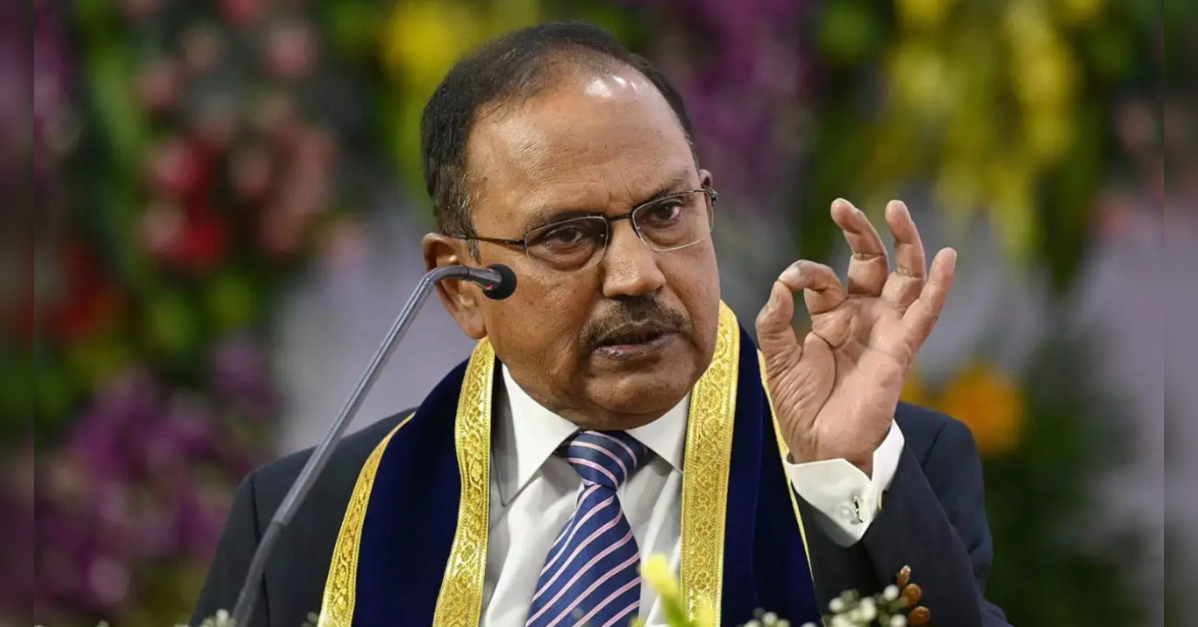
The upcoming visit of National Security Advisor Ajit Doval to Russia, scheduled to commence this Tuesday, is poised to bring greater clarity to what market observers term the “geo-economic trilemma.” This intricate challenge involves simultaneously securing energy supplies, maintaining affordability for a rapidly growing economy, and navigating complex international political landscapes. For India, leveraging discounted Russian crude effectively addresses the first two points, significantly bolstering its energy security and mitigating inflationary pressures on domestic fuel prices. This balancing act is critical for India’s economic stability and growth trajectory, making it a key factor for investors assessing the country’s long-term potential.
The strategic sourcing of crude oil at a steep discount offers Indian refiners a substantial competitive edge. This directly translates into healthier refining margins and improved profitability for major players like Reliance Industries, Indian Oil Corporation (IOC), Bharat Petroleum Corporation Limited (BPCL), and Hindustan Petroleum Corporation Limited (HPCL). These companies, which form the backbone of India’s energy infrastructure, have been direct beneficiaries of this policy, allowing them to process crude at lower costs than many international counterparts. This competitive advantage is a significant draw for equity investors focusing on the Asian refining sector.
Financial Prudence: Lower Costs, Broader Benefits
The economic rationale behind India’s continued engagement with Russian oil suppliers is compelling. By securing crude at prices significantly below global benchmarks, India has managed to shield its domestic market from the full brunt of international price volatility. This strategy has been instrumental in stabilizing pump prices for gasoline and diesel, a critical factor in managing inflation within the world’s most populous nation. For investors, this translates into a more predictable and stable domestic demand environment for refined products, underpinning the valuation of Indian energy companies.
Beyond domestic benefits, India’s discounted crude imports have inadvertently created an intriguing supply chain dynamic that extends to Europe. Indian refiners, processing inexpensive Russian feedstock, have become significant exporters of refined petroleum products, particularly diesel and jet fuel, to European markets. This circuitous route allows European economies to indirectly benefit from the discounted Russian oil, albeit in processed form, supporting their own energy needs amidst sanctions. This dynamic highlights the complex interconnectedness of global energy trade and the evolving strategies employed by nations and companies to optimize supply chains.
Navigating Geopolitical Headwinds: The Trump Factor
The recent re-emergence of threats from Donald Trump regarding trade and geopolitical alignment adds another layer of complexity to India’s energy strategy. However, government sources indicate that such external pressures are unlikely to sway India’s core economic decisions. The focus remains on national interest and consumer welfare. In fact, there is an expectation that India might even explore avenues for further discounts from Moscow in light of these renewed threats, turning perceived pressure into a potential leverage point for even more favorable terms. This proactive approach underscores India’s growing confidence on the global stage and its determination to prioritize its economic sovereignty.
For energy investors, understanding this geopolitical calculus is paramount. The resilience of the India-Russia energy partnership, driven by mutual economic benefit, signals a potential shift in global crude trade dynamics. It challenges traditional alliances and forces a re-evaluation of the effectiveness of unilateral sanctions when confronted with strong economic incentives and sovereign decision-making. Investors should consider how this evolving landscape might impact future commodity prices, tanker rates, and the long-term viability of alternative crude supply routes.
The Road Ahead: NSA Doval’s Mission and Market Implications
NSA Ajit Doval’s impending visit to Russia is not just a diplomatic exchange; it is a critical engagement with significant market implications. Discussions are expected to delve deeper into long-term supply agreements, payment mechanisms that circumvent traditional financial channels, and potential infrastructure investments to streamline crude delivery. Any clarity emerging from these talks could provide forward guidance for refiners, traders, and investors alike regarding the stability and volume of future Russian crude flows to India.
The ongoing commitment from New Delhi to source Russian crude, without any apparent move to diversify away from it, indicates a deeply entrenched and strategically sound policy. This August 5, 2025 development reaffirms India’s position as a major player dictating global energy flows, prioritizing its national economic agenda over external political pressures. For those investing in the oil and gas sector, particularly in emerging markets, India’s robust and pragmatic approach to energy procurement offers a compelling narrative of resilience and strategic foresight.
The narrative emerging from New Delhi is clear: economic self-interest dictates energy policy. This robust stance not only secures India’s energy future but also reshapes the global energy market, creating new dynamics for supply, demand, and pricing. Investors must remain attuned to these developments, as they carry profound implications for portfolio allocation, risk assessment, and the pursuit of value within the international energy complex.


