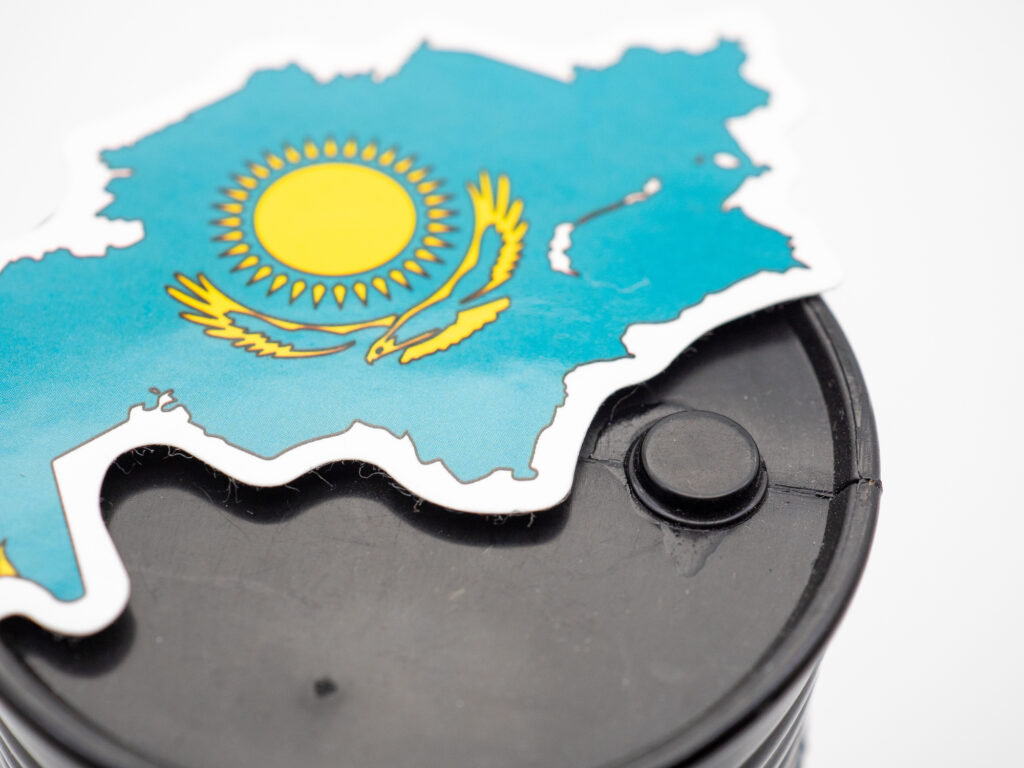
Major Oil Firms Avoid $4.2 Billion Environmental Penalty in Kazakhstan
In a significant victory for global energy giants, partners operating Kazakhstan’s second-largest oil field have successfully fended off a colossal environmental fine, which could have amounted to $4.2 billion at current exchange rates. A local appellate court ruled in favor of the consortium behind the Kashagan oil field, effectively nullifying a demand for approximately 2.3 trillion tenge, a sum that previously translated to $5.1 billion.
This judicial outcome marks a critical moment for the international oil companies invested in the massive Caspian Sea development. The fine was initially sought by Kazakh authorities in connection with alleged breaches related to the venture’s sulfur management operations. The ruling provides a much-needed reprieve and clarity for the consortium, which includes industry heavyweights such as Eni SpA, Shell Plc, Exxon Mobil Corp., and TotalEnergies SE.
Kashagan Operator Affirms Compliance and Best Practices
The operating entity for the Kashagan project, NCOC, along with its partners, released a statement welcoming the appellate court’s decision. They emphasized that the ruling validates the integrity and efficacy of NCOC’s sulfur management protocols. The consortium explicitly stated that their operations are conducted responsibly, in full adherence to the laws of the Republic of Kazakhstan, and align with applicable international standards and best industry practices. This affirmation is crucial for investor confidence, signaling that environmental stewardship remains a priority while operating within stringent regulatory frameworks.
For investors monitoring the energy sector, such a judicial affirmation de-risks a significant operational aspect of a major asset. The resolution of this specific environmental dispute could positively influence valuations for the involved companies by removing a substantial contingent liability that had been hanging over the project.
A History of High Stakes and Hurdles for Kashagan
The Kashagan development, an ambitious $55 billion undertaking situated in the resource-rich Caspian Sea, has been no stranger to challenges. Since its inception, the project has been notoriously plagued by extensive delays and considerable cost overruns, making it one of the most complex and expensive oil and gas ventures globally. Its technical intricacies, coupled with its remote location and harsh operating conditions, have consistently tested the resolve and financial might of its international stakeholders.
Despite these hurdles, Kashagan remains a strategically vital asset, holding immense reserves and contributing significantly to Kazakhstan’s overall oil production. Its performance and the financial terms governing its operation are therefore under constant scrutiny from both the government and the investor community. The field’s history underscores the inherent risks and rewards associated with large-scale frontier oil and gas projects.
Kazakhstan’s Persistent Pursuit of Greater Revenue and Control
This environmental dispute unfolds against a broader backdrop of Kazakhstan’s assertive efforts to maximize revenue streams from its vast natural resources. The Kazakh government has increasingly adopted a more stringent stance, pushing for higher financial returns and greater control over its nation’s energy fields. This strategy has manifested in various forms, including heightened regulatory oversight and, notably, significant legal challenges against its joint venture partners.
In a separate and far more substantial legal battle, Kazakh authorities have initiated international arbitration proceedings against the Kashagan joint venture partners, seeking damages exceeding $160 billion. A significant portion of this staggering sum reflects claims for lost revenue, but it also encompasses accusations related to alleged environmental violations and deals that Kazakhstan contends were tainted by corruption. This aggressive posture highlights the complex geopolitical and financial landscape in which international energy companies must navigate when operating in resource-rich nations.
Prior Attempts at Resolving the Sulfur Dispute
Before this recent court victory, the Kashagan venture partners had actively sought to resolve the sulfur management case through a series of proposed concessions. Last year, the consortium put forward a comprehensive settlement package. This included a commitment to inject an additional $110 million into social projects within Kazakhstan over a two-year period. Crucially for the partners, this investment was structured to be recoverable from Kashagan’s revenues, aligning with the terms of their existing production sharing contract (PSC).
Beyond this direct social investment, the proposed settlement also encompassed additional payments linked to the supply of liquefied petroleum gas (LPG) to the government. Furthermore, the partners suggested establishing a multi-million dollar social development fund, demonstrating a willingness to engage in broader community investment as part of a resolution. These proposals underscore the high stakes involved and the consortium’s proactive approach to de-escalate potential financial liabilities and maintain a constructive relationship with the host government.
Implications for Investors and Future Operations
The successful appeal against the $4.2 billion environmental fine represents a considerable win for the oil majors involved in Kashagan. It alleviates a significant financial burden and removes a key uncertainty that could have impacted their quarterly earnings and long-term investment outlooks. For shareholders, this outcome signals a reduction in operational risk and potentially higher returns from one of their strategic assets.
While this particular environmental claim has been resolved in the consortium’s favor, the larger $160 billion international arbitration case remains an ongoing concern. Investors will continue to closely monitor developments on that front, as its resolution will have even more profound implications for the long-term profitability and stability of the Kashagan project. The Kazakh energy ministry and the country’s environment-protection ministry did not immediately comment on the appellate court’s decision, suggesting that the broader dialogue between the government and the consortium may continue behind the scenes.
This verdict, nevertheless, provides a moment of relief and reinforces the resilience of major oil and gas companies in navigating complex legal and regulatory environments. It underscores the critical importance of robust legal defense and proactive engagement in managing the multifaceted risks inherent in large-scale international energy investments.