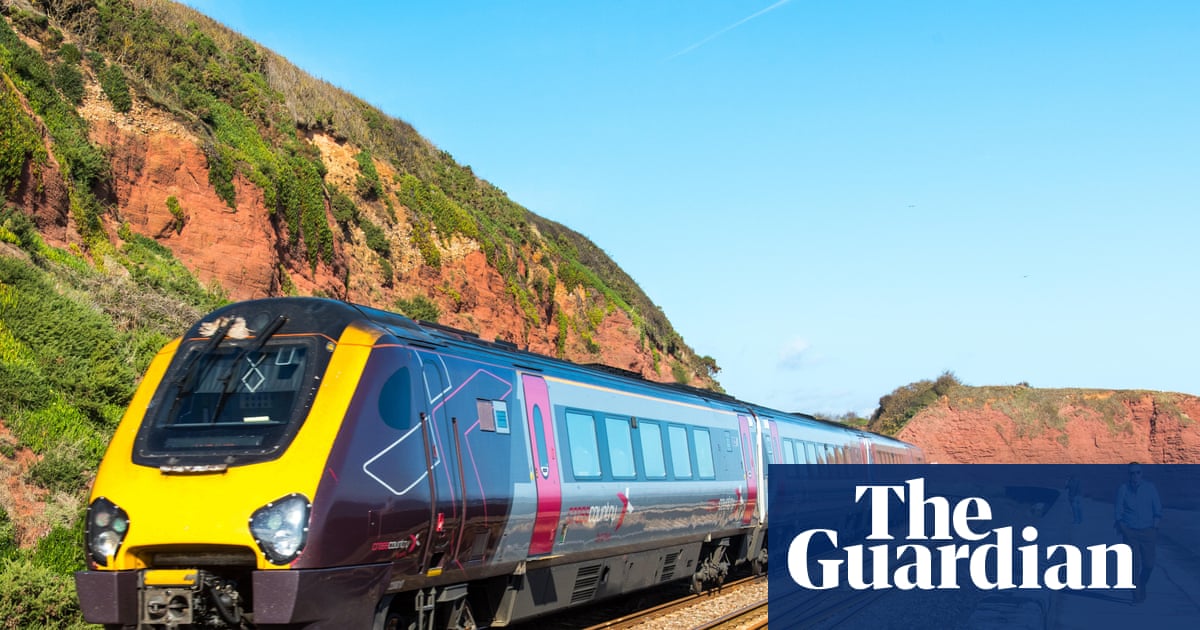
UK Rail Disruptions Signal Growing Headwinds for Oil & Gas Logistics
The operational landscape for UK energy sector logistics is facing increasing scrutiny as severe weather events continue to challenge national infrastructure. Recent significant rail service reductions across parts of southern England, directly attributed to extreme environmental conditions, underscore a critical and evolving risk factor for the oil and gas supply chain. Investors in the sector must now factor in the escalating costs and complexities of maintaining robust distribution networks amidst climate-induced infrastructure vulnerabilities.
The immediate catalyst for these disruptions stems from a pronounced lack of moisture in the soil following England’s sunniest spring in over a century. This unprecedented dryness has led to the shrinkage of crucial rail embankments, disturbing track stability across vital arteries in Dorset and Devon. Specifically, a 12-mile stretch of track between Gillingham in Dorset and Axminster in Devon has seen its supporting earthworks contract significantly, rendering parts of the railway unsafe for normal operations.
The Impact of Unprecedented Dryness on Rail Operations
The severity of the issue is highlighted by the fact that this spring marked the second driest on record for England, with rainfall levels hitting their lowest since 1976. This moisture deficit has compelled South Western Railway (SWR) to implement extensive speed restrictions. Trains traveling from London Waterloo to Exeter, for instance, are now forced to operate at a mere 40 miles per hour on affected sections, a drastic reduction from the usual 85 mph. This translates into journeys taking an additional hour, directly impacting the efficiency and reliability of freight and passenger movement.
Given that the affected route is largely a single-track line, these mandatory speed limits critically impair the ability of trains to pass at their scheduled times and locations. Consequently, SWR has been compelled to drastically cut services from its timetable, a decision its Chief Operating Officer, Stuart Meek, described as a last resort to ensure safety and service reliability. With meteorological forecasts suggesting continued dry conditions, further speed restrictions remain a distinct possibility, signaling prolonged operational challenges.
Systemic Climate Risk to UK Energy Infrastructure
These recent disruptions are not isolated incidents but rather part of a growing pattern of climate-related challenges impacting the UK’s railway network. The system has previously contended with the need for speed restrictions during extreme summer heat to prevent rail buckling, a direct consequence of soaring temperatures. Conversely, the wettest winters on record last year also caused significant issues, affecting tracks and embankments, leading to service curtailments in Kent. This cyclical vulnerability to both ends of the weather spectrum paints a stark picture of the systemic risks facing national infrastructure.
For the oil and gas sector, these rail vulnerabilities translate into tangible financial and operational risks. While passenger services bear the brunt of immediate timetable cuts, the underlying infrastructure degradation poses a significant threat to bulk freight transport. Rail networks are crucial for moving various energy-related commodities, including refined petroleum products, specialized equipment for exploration and production, and other critical supplies to distribution hubs and industrial sites across the country. Delays in these movements can cascade throughout the supply chain, leading to increased inventory holding costs, potential production slowdowns, and higher logistical expenditure.
Financial Implications for Oil & Gas Logistics
The extended transit times and service reductions directly impact the predictability and cost-effectiveness of energy product distribution. Companies may face higher operational costs due to the need for alternative transport methods, such as road freight, which can be more expensive and less carbon-efficient for large volumes. Furthermore, increased lead times could necessitate greater stockholding at various points in the supply chain, tying up capital and increasing working capital requirements. For a sector that thrives on just-in-time delivery and optimized logistics, these disruptions represent a significant headwind.
Network Rail, the custodian of the UK’s railway infrastructure, is acutely aware of these escalating challenges. The organization has committed substantial capital to bolster its resilience against climate change impacts. Between 2024 and 2029, Network Rail plans to invest nearly £3 billion specifically to tackle the effects of a changing climate. This significant expenditure follows an already increased budget dedicated to maintaining earthworks, a direct response to past incidents such as the Stonehaven disaster, where heavy rainfall and poor drainage resulted in a catastrophic landslip.
Investor Outlook: Prioritizing Supply Chain Resilience
This proactive investment, while necessary, also underscores the immense scale of the ongoing battle against climate-induced infrastructure degradation. For oil and gas investors, monitoring the efficacy of these investments and the continued vulnerability of critical transport links is paramount. The resilience of the UK’s energy supply chain is intrinsically linked to the health of its transport infrastructure. Persistent rail disruptions, whether due to drought, heatwaves, or excessive rainfall, introduce an unpredictable variable into operational planning and cost forecasts.
Companies operating within the UK energy landscape must develop robust contingency plans, diversify their logistical strategies, and consider the long-term implications of these climate-related infrastructure challenges. The ongoing rail cuts in southern England serve as a potent reminder that physical climate risks are not merely abstract future concerns, but present-day operational realities with direct financial consequences for the oil and gas sector.


