Erratic US Wildfires Threaten Energy Supply
The intensifying wildfire season in the western United States is presenting a growing and unpredictable risk to critical energy infrastructure, signaling potential disruptions for investors in the oil and gas sector. Two significant blazes, one of which has escalated into a colossal “mega-fire” near the Grand Canyon, are generating extreme heat and volatile atmospheric conditions, directly challenging regional power stability and commodity flow.
These infernos are not merely consuming vast tracts of land; they are actively shaping localized weather patterns through the formation of towering “fire clouds.” These phenomena are known to create erratic wind systems and downdrafts, posing direct threats to containment efforts and the integrity of nearby energy assets. For energy investors, understanding these escalating environmental risks is becoming as crucial as tracking geopolitical events or OPEC production quotas.
Arizona’s Grand Canyon Mega-Fire: A Direct Threat to Regional Power
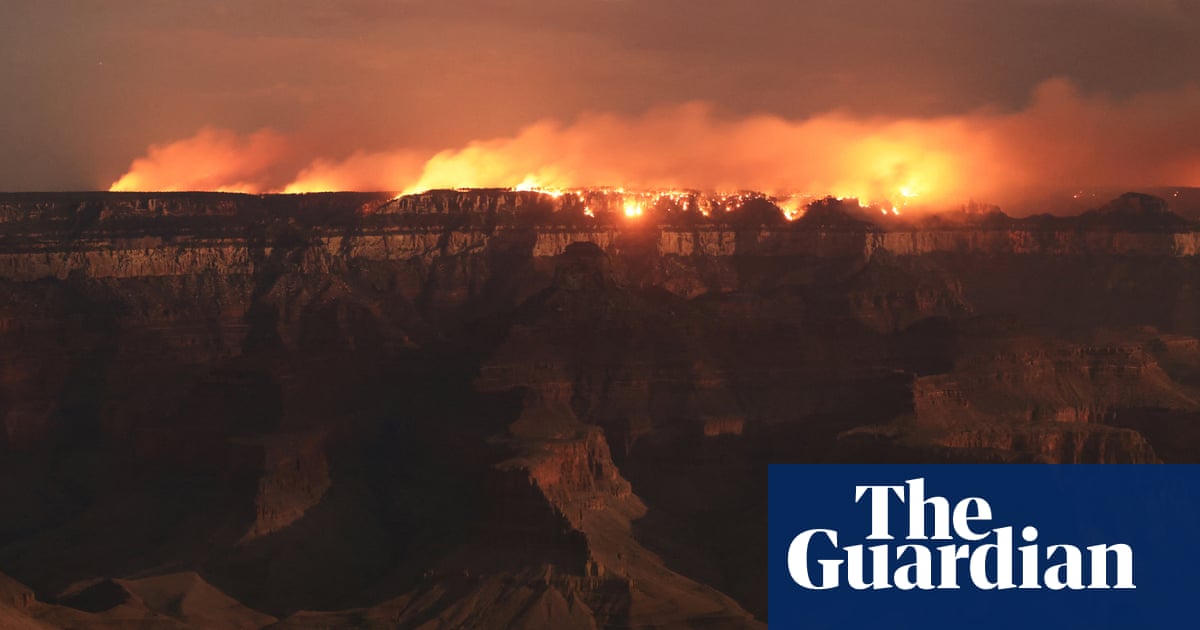
In Arizona, a wind-driven wildfire has scorched over 164 square miles (424 sq km) and remains only 9% contained, making it the largest active conflagration in the continental U.S. and among the top ten largest in Arizona’s recorded history. To put its scale in perspective, navigating its perimeter would be akin to a substantial interstate drive, such as from New York City to Washington D.C. This inferno has already claimed the Grand Canyon Lodge, a significant structure, and continues its relentless advance.
The sheer size and uncontained nature of this blaze raise serious concerns for energy transmission corridors and localized power generation facilities in the region. While direct impacts on major oil and gas production are less immediate, the disruption to the electricity grid in proximity to such a massive fire can create ripple effects. Investors with holdings in regional utilities, renewable energy projects, or companies reliant on stable power for operations should be closely monitoring its trajectory and the potential for prolonged outages or infrastructure damage.
Utah’s Dual Energy Challenge: Power Outages and Emergency Declarations
Further north, near Monroe, Utah, another substantial fire has consumed 75 square miles (194 sq km) since July 13 and is only 11% contained. The immediate consequences for energy supply have been more pronounced here. Officials confirm that scorched power poles within the fire’s path have already necessitated electricity shutdowns in several south-central Utah communities. Evacuation orders have been issued for multiple towns, displacing residents and further straining local resources.
Utah Governor Spencer Cox swiftly declared an emergency, underscoring the severity of the situation and its potential to disrupt normal economic activity. Such declarations often precede resource allocation to protect critical infrastructure, including natural gas pipelines and electricity transmission lines that traverse these vulnerable areas. For investors, this highlights the tangible and immediate risk to utility companies and the broader energy supply chain, as repair costs mount and service interruptions affect end-users and industrial operations.
The Treacherous Science of Pyrocumulus and Pyrocumulonimbus Clouds
Adding a layer of unprecedented complexity to these wildfires is the consistent formation of “fire clouds.” Over the Arizona blaze, towering pyrocumulus clouds have been observed for seven consecutive days. These form when superheated air above the fire rapidly ascends in a massive smoke column, drawing in dry, powerful winds that further fuel the inferno. These giant, anvil-shaped clouds are visible for hundreds of miles, serving as ominous indicators of extreme fire behavior.
Even more perilous are their “big brothers,” the pyrocumulonimbus clouds. These fire-fueled thunderstorms can unleash rapid, unpredictable winds in all directions, as evidenced recently when a smoke column from the Utah fire collapsed. Atmospheric scientists, like Derek Mallia of the University of Utah, explain that the immense buoyancy created by the fire’s heat generates these towering thunderstorms. While characteristic of the arid Western U.S., these dry thunderstorms are exceptionally dangerous, creating downdrafts that can scatter embers and rapidly spread the fire, posing severe threats to both containment efforts and any infrastructure in their path.
The extreme volatility generated by these clouds forced multiple fire crews in Utah to retreat due to safety concerns. The U.S. National Aeronautics and Space Administration (NASA) has aptly dubbed these phenomena the “fire-breathing dragons of clouds,” a moniker that gained chilling credence when one recently spawned a fire tornado in eastern Utah, tearing through a neighborhood with wind speeds estimated at a devastating 122 miles per hour.
Investment Implications: Power Grid Vulnerability and Commodity Volatility
For energy investors, the escalating frequency and intensity of these “mega-fires” and their associated weather phenomena underscore a critical and evolving risk profile. The direct impact on power transmission infrastructure, as seen with the scorched poles in Utah, highlights the vulnerability of the electricity grid. Prolonged outages can disrupt local industries, affect demand for natural gas in power generation, and potentially strain regional fuel supplies if alternative energy sources become necessary.
Companies involved in electricity transmission, distribution, and even natural gas pipeline operators whose routes traverse fire-prone areas face increased operational risks and potential capital expenditures for hardening infrastructure. Furthermore, the broader economic impact of widespread evacuations and business closures can dampen regional energy demand, albeit temporarily. Investors should scrutinize the resilience strategies of utility companies in their portfolios, assessing their preparedness for climate-related events and their ability to maintain service continuity.
Navigating Climate Risk in Energy Portfolios
These erratic wildfires serve as a stark reminder of the increasing influence of climate change on energy markets and infrastructure. The financial community is beginning to incorporate these environmental factors more rigorously into investment decisions, recognizing them as material risks. The need for a more robust and resilient energy supply chain, capable of withstanding extreme weather events, is becoming paramount.
This situation prompts a deeper look into the long-term viability of infrastructure in high-risk zones and the potential for increased insurance costs or regulatory mandates for climate adaptation. Investors should consider the ESG (Environmental, Social, and Governance) performance of energy companies, particularly those with significant assets in wildfire-prone regions. Companies demonstrating proactive measures in risk mitigation, technological innovation for grid resilience, and sustainable land management practices may prove to be more stable long-term investments.
Conclusion: Vigilance in a Volatile Landscape
As the Grand Canyon mega-fire and the Utah blazes continue their destructive paths, the immediate threat to human safety and property is paramount. However, for investors in the oil and gas sector, these events are also a potent signal of the growing and complex challenges facing energy supply. The interaction of extreme heat, dry conditions, and self-generating weather phenomena creates an unpredictable environment where critical energy infrastructure can be compromised rapidly.
Monitoring these developments and understanding their potential to disrupt regional power grids, impact commodity prices, and necessitate costly infrastructure repairs is essential. Vigilance, coupled with a strategic assessment of climate risk and resilience within energy portfolios, will be key for navigating an increasingly volatile and environmentally sensitive market landscape.


