The AI Power Surge: A Seismic Shift for Natural Gas Investors
The relentless march of artificial intelligence is not just reshaping the digital landscape; it’s triggering an unprecedented surge in electricity demand that promises to redefine the investment horizon for the oil and gas sector, particularly natural gas. As tech giants race to build out their AI capabilities, the energy requirements of their sprawling data centers are escalating at a historic pace, forcing public utilities nationwide to rethink their pricing structures and generation strategies. For savvy investors, this presents a critical juncture, offering significant opportunities and challenges within the energy infrastructure space.
Unprecedented Demand Growth: A Look at the Numbers
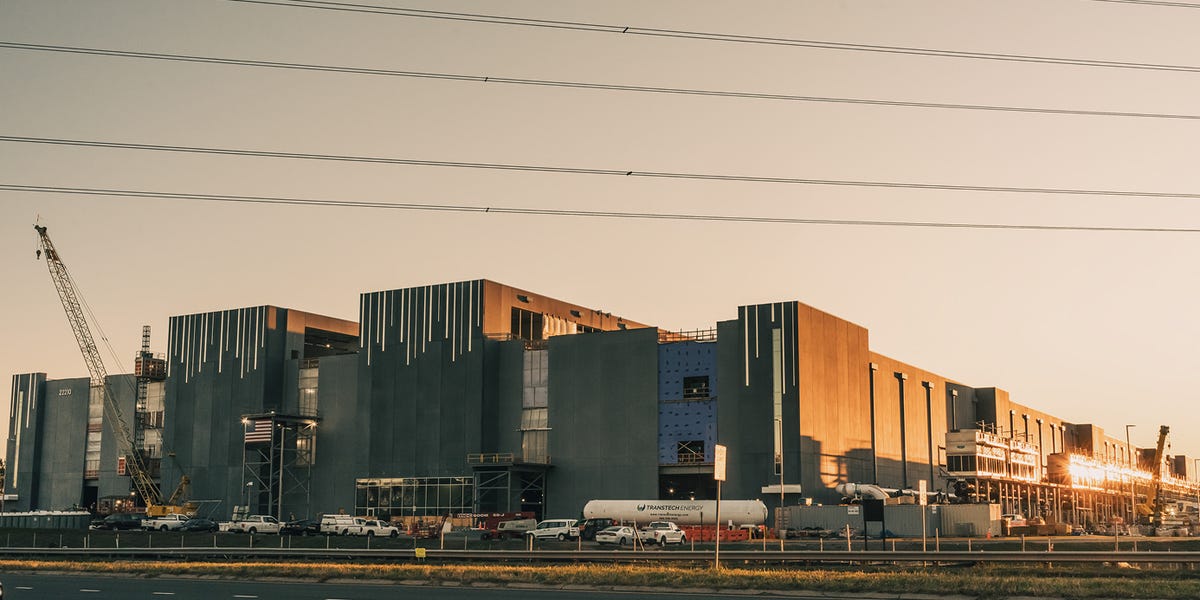
The scale of this energy appetite is staggering. According to U.S. Department of Energy research, data centers accounted for approximately 4.4% of all electricity consumed in the United States in 2023. Projections indicate this figure could triple by 2028, pushing demand to levels not witnessed since the 1960s. Unlike that earlier era, where efficiency gains often helped temper the overall cost of power industry expansion, today’s build-out comes with higher capital expenditures, especially for the new generation capacity required. This accelerating demand, driven by a relatively small number of colossal consumers, is fundamentally challenging long-established utility pricing models and grid stability.
Natural Gas: The Indispensable Backbone of AI Power
At the heart of meeting this surging electricity need lies natural gas. As utilities grapple with the urgent requirement for reliable, dispatchable power, new natural gas-fired power plants emerge as a primary solution. These facilities offer the flexibility and speed necessary to bring significant generation capacity online relatively quickly, compared to other baseload options. This reliance on natural gas has profound implications for upstream producers, midstream infrastructure operators, and even the broader global gas market.
For upstream investors, the prospect of sustained, elevated domestic demand for natural gas acts as a powerful tailwind. Increased consumption by the power sector translates directly into stronger pricing signals and incentives for exploration and production companies to expand output. This newfound demand resilience could help underpin investment in new drilling and resource development, offsetting some of the volatility inherent in export markets or industrial cycles.
Midstream companies, responsible for transporting and processing natural gas, stand to benefit immensely. The construction of new gas-fired power plants necessitates a corresponding build-out or expansion of pipeline networks to deliver fuel efficiently from production basins to power generation hubs. This creates a compelling investment thesis for pipeline operators, storage providers, and processing facilities, driving capital expenditure into critical energy infrastructure. Investors should closely monitor projects aimed at enhancing interconnections and expanding capacity to serve these burgeoning data center clusters.
Regulatory Responses and Investor Watchpoints
The financial strain of this demand surge is prompting state regulators and utilities to act. Historically, utilities apply special conditions, known as tariffs, to their largest industrial customers to ensure equitable cost recovery. Now, states like Indiana and Ohio are at the forefront of implementing or revising these tariffs specifically for data centers.
For instance, Ohio regulators recently sanctioned American Electric Power’s proposal to establish a dedicated tariff for its data center clients. Similarly, in February, Indiana regulators approved modifications to Indiana Michigan Power’s large customer tariffs, explicitly designed to shield residential and small business consumers from the escalating costs linked to data center expansion. Beyond these, states including Virginia, Texas, Kansas, and California are actively considering or have put forward proposals for similar specialized tariffs.
While these measures aim to prevent the full burden of the AI boom from falling on everyday consumers, experts caution that they may not be entirely sufficient. The sheer volume of demand from a few massive customers, coupled with the rising costs of constructing new generation and transmission infrastructure, suggests that the old paradigms of utility rate-setting are under severe pressure. As researchers from Harvard Law School’s Electricity Law Initiative have noted, existing approaches to utility rate approval are being “overwhelmed” by data center growth, potentially leading to the public inadvertently subsidizing Big Tech’s power bills. For investors, this underscores the importance of closely tracking regulatory developments, as policy decisions will significantly influence the cost recovery mechanisms for utilities and, by extension, the financial viability of related energy projects.
Broader Market Implications and Future Outlook
The implications extend beyond just natural gas supply and transport. The need for robust grid infrastructure, including new transmission lines and substation upgrades, will also drive substantial investment. While natural gas provides an immediate, scalable solution, the long-term energy mix for data centers will likely involve a combination of sources, including renewables, but always backed by reliable dispatchable power.
For oil and gas investors, the key takeaway is clear: the AI revolution is fundamentally an energy revolution. The insatiable demand for electricity from data centers represents a powerful, long-term demand driver for natural gas. This creates a compelling investment narrative for companies across the natural gas value chain, from exploration and production to midstream infrastructure. However, navigating this landscape requires a keen awareness of regulatory shifts, capital expenditure cycles, and the evolving dynamics of utility pricing. Investors positioned to understand and capitalize on this unprecedented convergence of technology and energy demand stand to unlock significant value in the years ahead.


