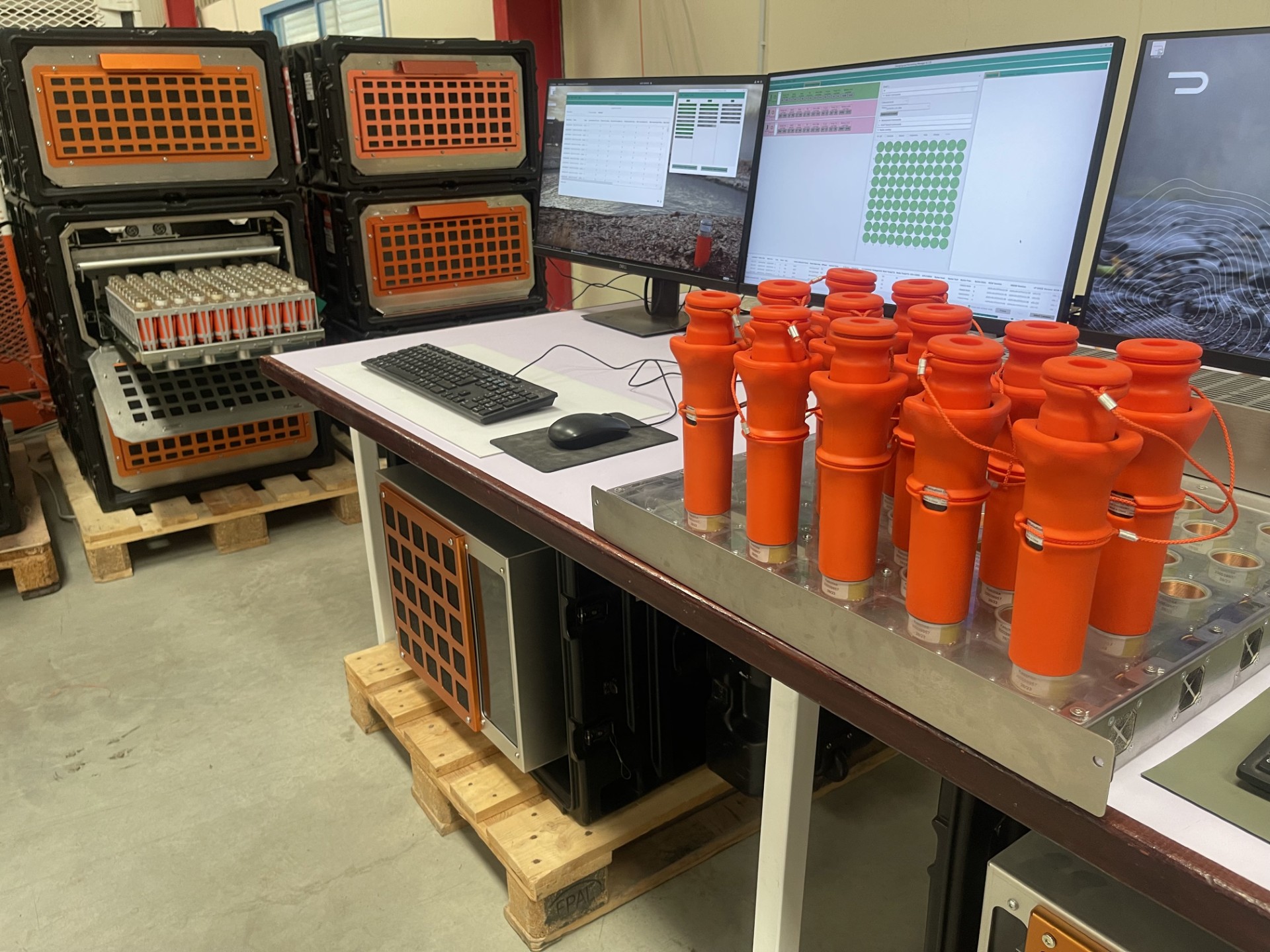
Brazil’s National Observatory, a venerable scientific research institution, has recently acquired advanced seismic systems from STRYDE, signaling a strategic intensification of its geophysical exploration efforts across the nation. This move, while initially focused on pioneering natural hydrogen exploration, carries significant implications for oil and gas investors, particularly concerning the potential for mapping new conventional and unconventional reserves. The deployment of lightweight, high-resolution seismic technology promises to unlock unprecedented insights into Brazil’s complex subsurface structures, potentially redefining the country’s resource landscape and offering a long-term value proposition amidst fluctuating global energy markets.
Brazil’s Evolving Subsurface Strategy and Pre-Salt Potential
The National Observatory’s investment in STRYDE’s Mini and Nimble seismic systems marks a pivotal moment for Brazil’s resource mapping capabilities. Historically known for its prolific pre-salt oil discoveries, Brazil continues to be a frontier for significant energy plays. The new seismic acquisition technology is designed to gather high-density subsurface data with unparalleled agility, even in challenging and remote environments. For investors, this translates into a heightened potential for identifying and characterizing new energy resources, including but not limited to, traditional oil and gas prospects within the pre-salt layers or other deepwater formations. The ability to conduct advanced geophysical surveys with minimal logistical footprint and lower operational costs suggests a more efficient and potentially accelerated exploration cycle, which could lead to fresh reserve additions and investment opportunities in the coming years. This strategic enhancement in mapping capabilities is a long-term bullish signal for Brazil’s resource sector.
Navigating Market Volatility with Long-Term Resource Unlocking
The backdrop for this development is a global energy market currently experiencing notable volatility. As of today, Brent Crude trades at $90.38 per barrel, representing a significant 9.07% decline within the day, with its price oscillating between $86.08 and $98.97. Similarly, WTI Crude has seen a sharp drop of 9.41% to $82.59 per barrel. This downward trend is not an isolated event; Brent has shed $20.91, or 18.5%, from $112.78 just two weeks ago. Such dramatic shifts understandably fuel investor concern, with many asking about the trajectory of oil prices by the end of 2026. However, while short-term market dynamics are critical, the long-term value proposition of new resource mapping initiatives in Brazil offers a compelling counter-narrative. The National Observatory’s enhanced ability to identify and delineate subsurface structures, whether for hydrocarbons or novel energy sources like natural hydrogen, provides a strategic hedge against market fluctuations. These foundational exploration efforts contribute to a more robust and diversified energy future, reducing reliance on immediate price movements and laying the groundwork for sustained value creation.
The Technology Edge: Efficiency, Cost, and Diversification
STRYDE’s Mini and Nimble systems represent a significant technological leap in seismic acquisition. Their lightweight design and ease of deployment are critical for operating in Brazil’s diverse terrains, from dense rainforests to complex offshore environments. For investors, the implications are clear: reduced operational expenditures and increased efficiency in exploration. The ability to acquire high-resolution seismic data quickly and cost-effectively lowers the overall risk profile of early-stage exploration projects. Furthermore, the Observatory’s initial focus on natural hydrogen exploration, alongside its involvement in geothermal energy and carbon capture and storage (CCUS), underscores a broader strategy of energy diversification. This multi-faceted approach to resource investigation could open new avenues for investment beyond traditional oil and gas, aligning with the global energy transition while still leveraging foundational geophysical expertise. Companies positioned to capitalize on these diverse opportunities, particularly those with a presence in Latin America, could see enhanced long-term growth prospects.
Investor Sentiment and Future Catalysts
Our proprietary reader intent data reveals a keen investor interest in both macro price predictions and the performance of specific companies operating in the energy sector. Questions regarding the end-of-year oil price outlook and the performance of major players highlight a desire for clarity in an uncertain market. While the immediate focus is on production quotas ahead of the upcoming OPEC+ Joint Ministerial Monitoring Committee (JMMC) meeting tomorrow, April 18th, and the subsequent Full Ministerial Meeting on April 19th, which will undoubtedly influence short-term supply narratives, investors should also broaden their horizon to long-term catalysts. The National Observatory’s new seismic capabilities in Brazil, while not an immediate market mover like an OPEC+ decision or the weekly API and EIA inventory reports due next week, represent a fundamental shift in future resource potential. New discoveries, enabled by this advanced technology, could significantly impact global supply dynamics over the medium to long term, offering a powerful counterpoint to OPEC’s influence. As exploration progresses and data is analyzed, the potential for new discoveries in Brazil could become a major catalyst, attracting further capital and driving company valuations for those with a strategic presence in the region.