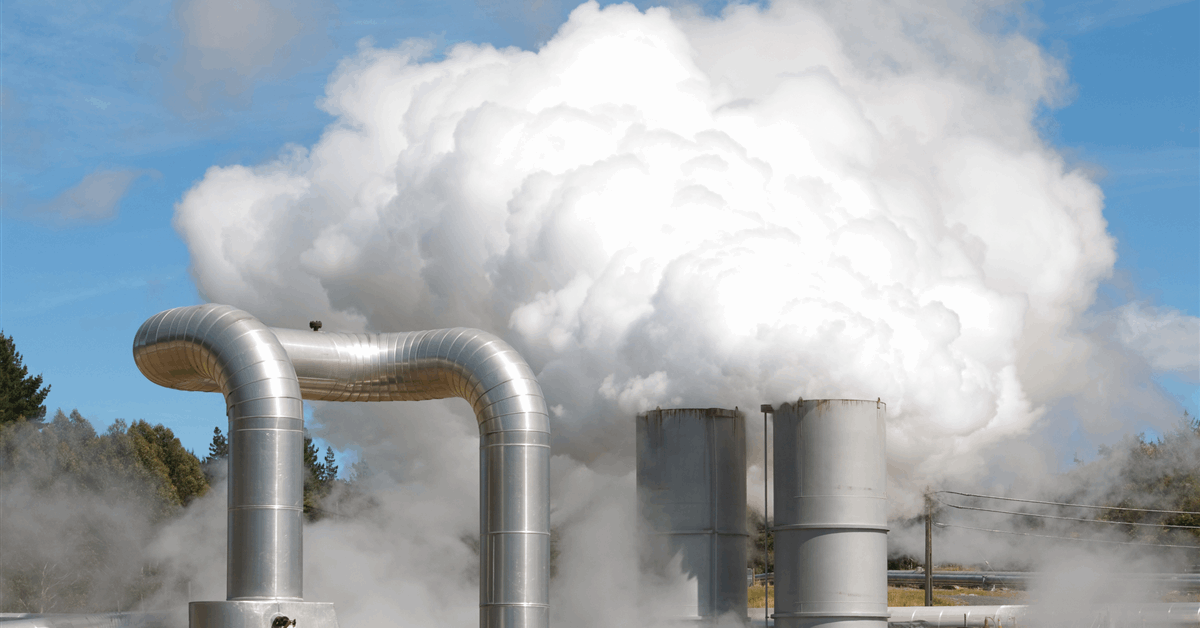
The U.S. Bureau of Land Management (BLM) recently announced a series of critical approvals for geothermal energy projects, signaling robust federal support for clean energy development. This week, the BLM greenlit the 30-megawatt Crescent Valley geothermal facility, a significant step that includes a power plant, solar field, 17 wells, and extensive infrastructure. This follows earlier approvals in late June for three additional geothermal projects in Nevada, fast-tracking development in a region rich with geothermal potential. For investors navigating the complex energy landscape, these actions underscore a clear policy commitment to diversifying the nation’s energy mix, creating tangible opportunities beyond traditional oil and gas.
Federal Backing Solidifies Geothermal’s Investment Case
The recent BLM approvals are more than just bureaucratic nods; they represent a strategic federal push to bolster domestic energy production and enhance energy independence. The Crescent Valley project alone, with its 30-megawatt capacity, is projected to power over 33,000 American homes annually, based on EPA estimates that one megawatt can supply approximately 1,104 average homes. This initiative aligns directly with Executive Order 14154, “Unleashing American Energy,” which aims to solidify the U.S. as a global energy leader. The scope of the BLM’s authority, managing geothermal leasing and development on 245 million surface acres and 700 million subsurface acres across the West, highlights the immense, untapped potential of this resource. The expedited approval of projects like Diamond Flat, McGinness Hills Optimization, and Pinto Geothermal in Nevada further illustrates a streamlined regulatory environment, de-risking early-stage development for companies like Ormat Nevada, Inc., which is undertaking significant exploration efforts. This consistent federal endorsement provides a strong foundation for long-term investment in the geothermal sector, offering a degree of policy stability that can be attractive amidst the inherent volatility of fossil fuel markets.
Crude Volatility Underpins Diversification Imperative
While the spotlight shines on geothermal, the broader energy market continues its dynamic movements, directly influencing investment strategies across the sector. As of today, Brent crude trades at $94.56 per barrel, reflecting a modest daily dip of 0.39% from its intraday high of $94.91. Similarly, WTI crude stands at $90.92, down 0.41% within its daily range. This short-term stability, however, masks a significant trend: Brent has seen a notable decline over the past two weeks, dropping from $102.22 on March 25 to $93.22 on April 14, marking an 8.8% decrease. This recent $9 downturn underscores the persistent price volatility that characterizes the traditional oil market, driven by geopolitical tensions, supply-demand imbalances, and macroeconomic shifts. For many investors, this environment reinforces the strategic value of diversifying into clean energy assets. While gasoline prices currently sit at $2.99 per gallon, showing a slight daily contraction, the broader energy transition narrative remains compelling. The consistent policy support for geothermal development provides a counter-cyclical hedge against crude market fluctuations, offering a baseload power solution that isn’t directly tied to the daily gyrations of global oil prices.
Navigating Future Catalysts and Investor Concerns
Investors are keenly focused on understanding the future trajectory of energy markets, with a particular emphasis on crude oil pricing. Our internal data indicates a strong reader interest in building a base-case Brent price forecast for the next quarter, signaling an appetite for clarity in an uncertain environment. This forward-looking perspective is crucial, as upcoming events will undoubtedly shape the investment landscape for both traditional and renewable energy plays. The next 14 days are packed with critical announcements: the Baker Hughes Rig Count on April 17 and 24 will offer insights into U.S. drilling activity, while the OPEC+ Joint Ministerial Monitoring Committee (JMMC) meeting on April 18, followed by the Full Ministerial Meeting on April 20, could significantly alter global supply dynamics. Furthermore, the API and EIA weekly crude inventory reports on April 21, 22, 28, and 29 will provide crucial demand signals. These events are not just for oil traders; their outcomes will influence the capital allocation decisions of major energy companies. A sustained period of lower crude prices, for instance, could pressure margins for traditional producers, potentially accelerating their pivot towards renewable ventures like geothermal, especially those with clear federal backing and streamlined approval processes. Conversely, a tightening market could free up capital for diversified investments. The ability of geothermal projects to offer stable, dispatchable power provides an attractive, long-term proposition that is less exposed to the immediate impact of these short-term market catalysts.
Strategic Implications for Energy Portfolios
The BLM’s consistent approvals for geothermal projects represent a significant de-risking factor for this nascent, yet critical, clean energy sector. For oil and gas investors, this isn’t merely a tangential development; it’s a signal to consider the strategic implications for portfolio diversification and future growth. Geothermal energy provides a unique value proposition: it’s a baseload power source, operating 24/7, unlike intermittent solar or wind. This reliability makes it an attractive asset for utilities and energy companies seeking to stabilize their grids and meet decarbonization targets. The federal government’s commitment to expediting these projects, as evidenced by the “expedited timeline” for the Nevada approvals, indicates a desire to see these resources developed quickly and efficiently. This creates a favorable environment for specialized geothermal developers, but also for larger oil and gas entities looking to leverage their deep drilling and project management expertise in new energy ventures. We anticipate increased M&A activity or strategic partnerships between traditional energy players and geothermal pure-plays. Investing in geothermal now, particularly with the clear policy tailwinds, offers a pathway to participate in the energy transition with a technology that boasts stability, scalability, and strong government support, providing a robust counterpoint to the inherent uncertainties of the crude oil market.


