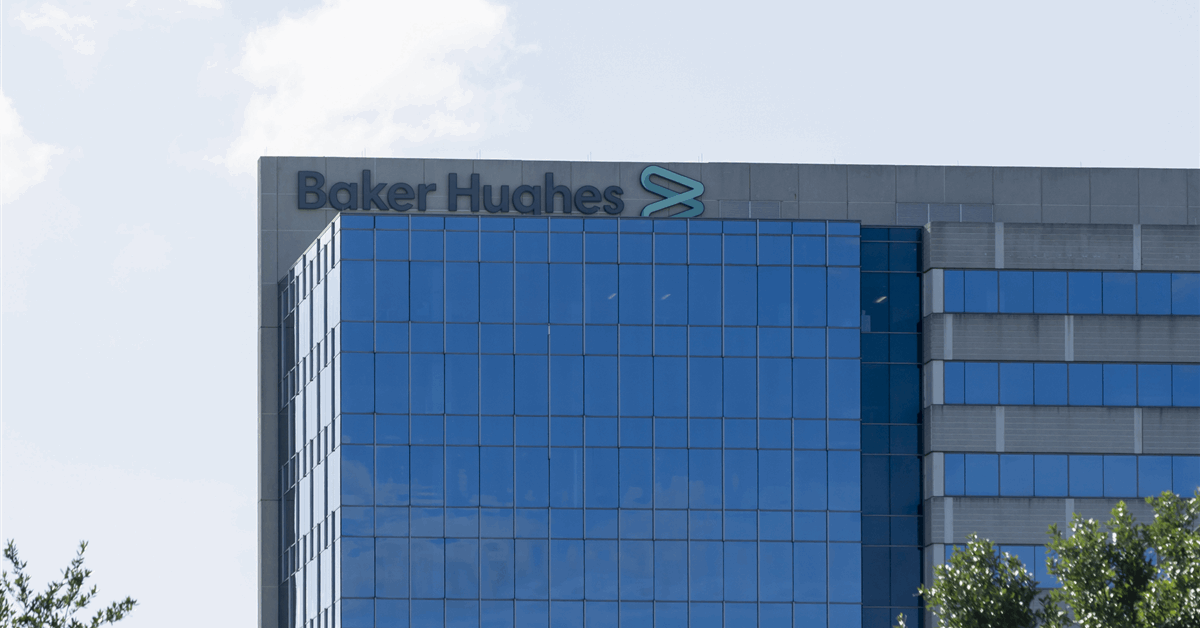
The strategic memorandum of understanding (MoU) between Naftogaz Group and Baker Hughes Co. marks a pivotal development for Ukraine’s energy sector, signaling a concerted effort towards both immediate resilience and long-term modernization. This collaboration extends across the entire energy value chain, from traditional oil and gas extraction, transportation, storage, and processing, to cutting-edge geothermal projects, carbon capture technologies, and electricity generation. For investors, this partnership underscores Baker Hughes’ commitment to global energy solutions in challenging environments and highlights Ukraine’s proactive stance in strengthening its energy independence and contributing to future European energy security. This analysis delves into the strategic implications for Baker Hughes, the broader market context, and the forward-looking catalysts that could shape this significant venture.
Baker Hughes: A Strategic Deepening in Key Growth Segments
For Baker Hughes (BKR), this MoU represents a significant strategic alignment with its core capabilities and long-term growth objectives. The breadth of the partnership, encompassing drilling, well construction, digital services, automation, and analytics, directly leverages BKR’s extensive technology portfolio. Critically, the explicit focus on environmental sustainability initiatives—including emission reduction, carbon capture, hydrogen, and geothermal energy—positions Baker Hughes at the forefront of Ukraine’s energy transition. This isn’t merely a transactional agreement; it’s a commitment to a partner seeking to modernize its energy infrastructure with advanced, sustainable solutions. Such comprehensive engagement in a nation undergoing reconstruction and aiming for energy self-sufficiency offers the potential for substantial, long-term revenue streams and market leadership for Baker Hughes in the region. The separate MoU with Ukrtransgaz, Naftogaz’s subsidiary, specifically targeting underground gas storage and power generation, further emphasizes the strategic importance of this engagement, tapping into critical infrastructure needs.
Ukraine’s Energy Future: Resilience and Decarbonization
Naftogaz’s motivation behind this partnership is clear: to overcome wartime challenges, implement modern energy solutions, and bolster energy independence. CEO Sergii Koretskyi’s statement highlights the group’s focus on building collaboration frameworks that support these goals. For Ukraine, strengthening its energy sector is paramount not only for national security but also for its eventual economic reconstruction. The partnership’s dual emphasis on conventional oil and gas, alongside renewable and decarbonization technologies, reflects a pragmatic approach to energy security. This balanced strategy aims to ensure reliable energy supply in the short to medium term while simultaneously laying the groundwork for a greener future. The development of underground gas storage, facilitated by Baker Hughes’ gas technology equipment, is particularly vital for European energy stability, offering crucial storage capacity that enhances regional supply resilience. Investors keen on the long-term energy landscape recognize that stability in key producing and transit regions, like Ukraine, contributes significantly to global energy price equilibrium.
Current Market Dynamics and Investor Considerations
The announcement of this partnership arrives at a time of nuanced market dynamics. As of today, Brent Crude trades at $94.7, reflecting a modest daily decline of 0.24% within a range of $94.7 to $94.91. Similarly, WTI Crude is priced at $90.97, down 0.35%, fluctuating between $90.85 and $91.5. Gasoline prices are holding at $3, down 0.33% for the day. This relative stability contrasts with the recent 14-day trend, which saw Brent decline by $9, or 8.8%, from $102.22 on March 25th to $93.22 on April 14th. This price volatility underscores the importance of resilient supply chains and diversified energy sources. Many investors are currently seeking to build a base-case Brent price forecast for the next quarter, and understand the consensus 2026 Brent forecast. While short-term forecasts remain sensitive to geopolitical events and supply-demand imbalances, long-term projections increasingly factor in the stability and modernization of critical energy infrastructure globally. Partnerships like the one between Naftogaz and Baker Hughes contribute to this long-term stability by fostering investment in energy production and infrastructure in key regions, thereby influencing future supply capabilities and mitigating potential price shocks. This deal showcases how major service providers are securing future growth even as crude prices exhibit short-term fluctuations.
Forward Catalysts and the Path Ahead
Looking ahead, investors should monitor several key events that could influence the broader energy market and, by extension, the trajectory of this Naftogaz-Baker Hughes partnership. The upcoming Baker Hughes Rig Count reports, scheduled for April 17th and April 24th, will offer insights into global drilling activity, providing a proxy for future demand for BKR’s services. An uptick in global activity could further boost investor confidence in service providers. More broadly, the OPEC+ Joint Ministerial Monitoring Committee (JMMC) meeting on April 18th, followed by the full Ministerial meeting on April 20th, will be critical. Any decisions on production quotas will directly impact global oil supply and prices, influencing the economic viability and urgency of new energy projects, including those in Ukraine. While the MoU outlines a broad framework, the success of this partnership will hinge on the subsequent project-specific agreements and timely execution. The focus on digital services, automation, and asset management software also suggests a long-term play on operational efficiency and optimization, which could yield significant returns as Ukraine rebuilds and modernizes its energy sector. Investors should view this MoU as a foundational step towards concrete project announcements and sustained capital deployment, offering a compelling long-term growth narrative for Baker Hughes in a strategically vital region.


