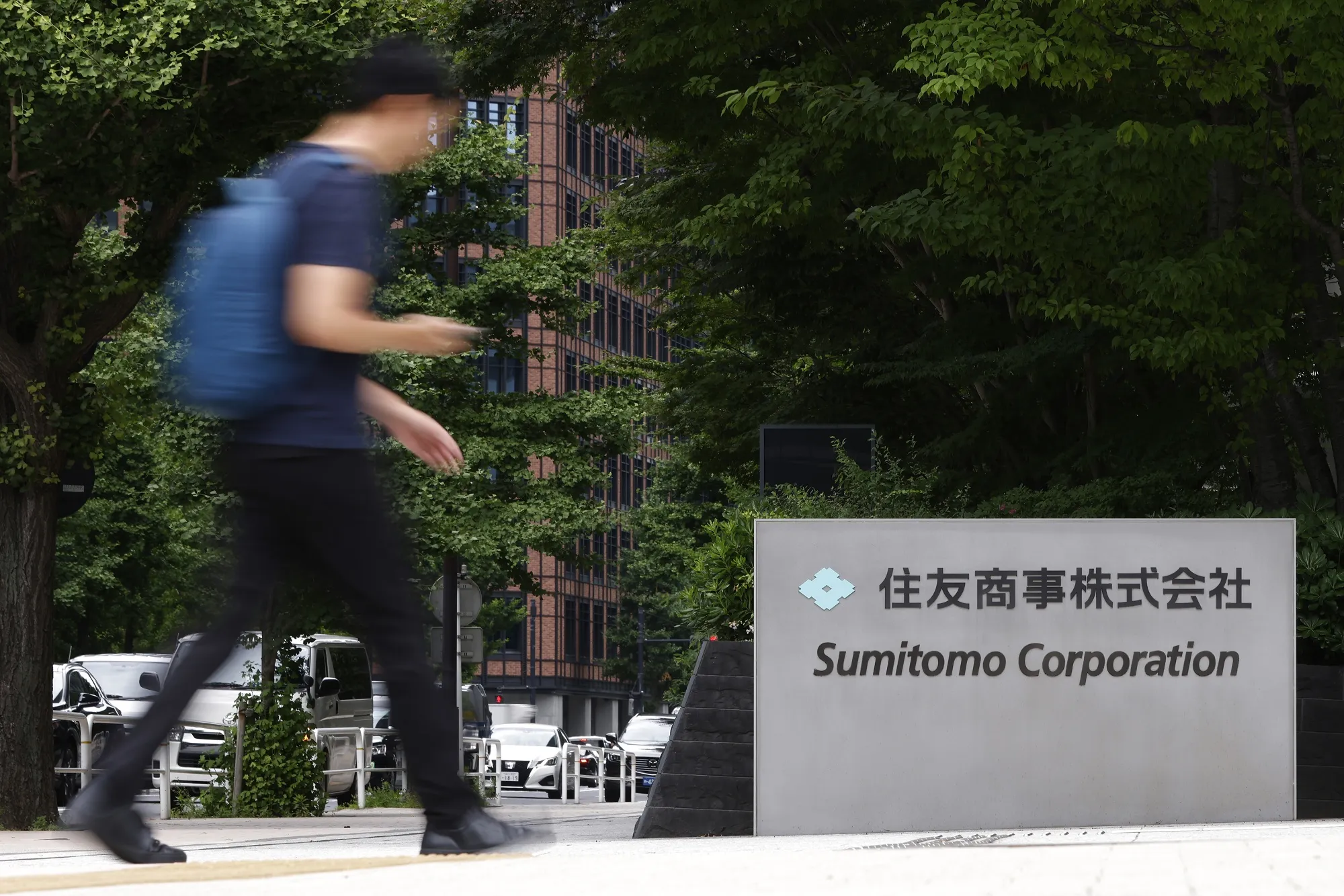
In a strategic move underscoring the accelerating global drive towards industrial decarbonization, Sumitomo Corporation, through its UK subsidiary Summit Energy Evolution Limited (SEEL), has committed a significant investment to the development of the Peak Cluster CO₂ transport pipeline in the UK. This initiative is poised to be a cornerstone project for hard-to-abate sectors, specifically targeting four critical cement and lime plants responsible for 40% of the UK’s domestic output. For investors keenly watching the evolution of the energy landscape, this £59.6 million ($76.3 million) commitment signals a robust and necessary pathway for industrial resilience and sustainable growth, offering a compelling counter-narrative to the short-term volatilities often seen in conventional energy markets.
De-risking Hard-to-Abate Sectors with Essential Infrastructure
The challenge of decarbonizing heavy industries like cement and lime production is immense, primarily due to unavoidable process emissions. The Peak Cluster project directly addresses this by establishing a critical CO₂ transport pipeline designed to capture 3 million tonnes of CO₂ annually. This substantial contribution is vital for the UK, moving it closer to its ambitious target of capturing 50 million tonnes of CO₂ per year by 2035. Beyond environmental benefits, the project is a significant economic enabler, projected to safeguard and create 13,000 jobs across the industrial value chain, from construction to storage operations. The CO₂ will be permanently stored offshore through Spirit Energy’s Morecambe Net Zero facility in the East Irish Sea, leveraging existing geological assets. This holistic approach not only ensures deep decarbonization but also secures the long-term viability and industrial resilience of a crucial regional manufacturing base, making it an attractive proposition for patient capital.
Investment Momentum Amidst Market Fluctuations
Sumitomo’s substantial equity investment through its joint venture Progressive Energy Peak Limited (PEPL) into Peak Cluster Limited (PCL) is a testament to the growing confidence in large-scale carbon capture and storage (CCS) projects. This £59.6 million infusion, equivalent to approximately $76.3 million, will fund crucial pre-Final Investment Decision (FID) activities, including Front-End Engineering and Design (FEED), regulatory approvals, and environmental consents, with FID targeted for 2028. This long-term capital commitment stands in contrast to the immediate dynamics of global commodity markets. As of today, Brent Crude trades at $94.94, experiencing a modest 0.16% uptick within a daily range of $91-$96.89. This follows a notable decline from $102.22 observed just three weeks prior to $93.22 yesterday, illustrating the inherent and often unpredictable volatility in conventional oil markets. For investors seeking diversification and exposure to structural growth themes, such investments in energy transition infrastructure provide a differentiated risk-reward profile, less susceptible to geopolitical headlines or short-term supply-demand imbalances.
Investor Focus on Long-Term Value Creation in Energy Transition
Our proprietary reader intent data reveals a consistent and growing interest among investors in understanding the long-term trajectory of energy markets. Many are actively seeking a base-case Brent price forecast for the next quarter and the consensus 2026 Brent forecast, indicating a desire to look beyond immediate price swings. While these questions reflect the ongoing importance of traditional oil and gas, they also highlight a broader strategic re-evaluation. Investments in projects like the Peak Cluster pipeline directly address this evolving investor mindset by offering exposure to predictable, policy-backed growth in the decarbonization sector. Sumitomo’s “Energy Transformation strategy” explicitly targets advancing decarbonization in hard-to-abate sectors, aligning perfectly with the increasing corporate and governmental emphasis on sustainability. For sophisticated investors, allocating capital to essential infrastructure that facilitates industrial decarbonization represents a future-proof strategy, mitigating regulatory risks and unlocking new revenue streams independent of fossil fuel price speculation.
Navigating the Path to FID: Upcoming Milestones and Strategic Implications
The journey to the Final Investment Decision in 2028 for the Peak Cluster pipeline is punctuated by critical milestones that investors should monitor closely. While the broader energy market will be reacting to upcoming events such as the Baker Hughes Rig Count reports on April 17th and 24th, and the crucial OPEC+ Ministerial meetings on April 18th and 20th that could influence crude supply decisions, the progress of CCS projects like Peak Cluster follows a distinct timeline. Regulatory approvals and environmental consents are paramount, and each successful step de-risks the project, making it more attractive for subsequent financing rounds. Furthermore, the collaboration between Sumitomo, Progressive Energy, and the UK’s National Wealth Fund underscores the hybrid public-private funding models increasingly prevalent in energy transition. The successful execution of FEED studies and the securing of necessary permits in the coming years will serve as significant value inflection points, demonstrating tangible progress towards the deployment of this vital infrastructure. These milestones, while not tied to daily commodity price movements, are fundamental indicators of long-term capital deployment and the maturation of the carbon capture market.


