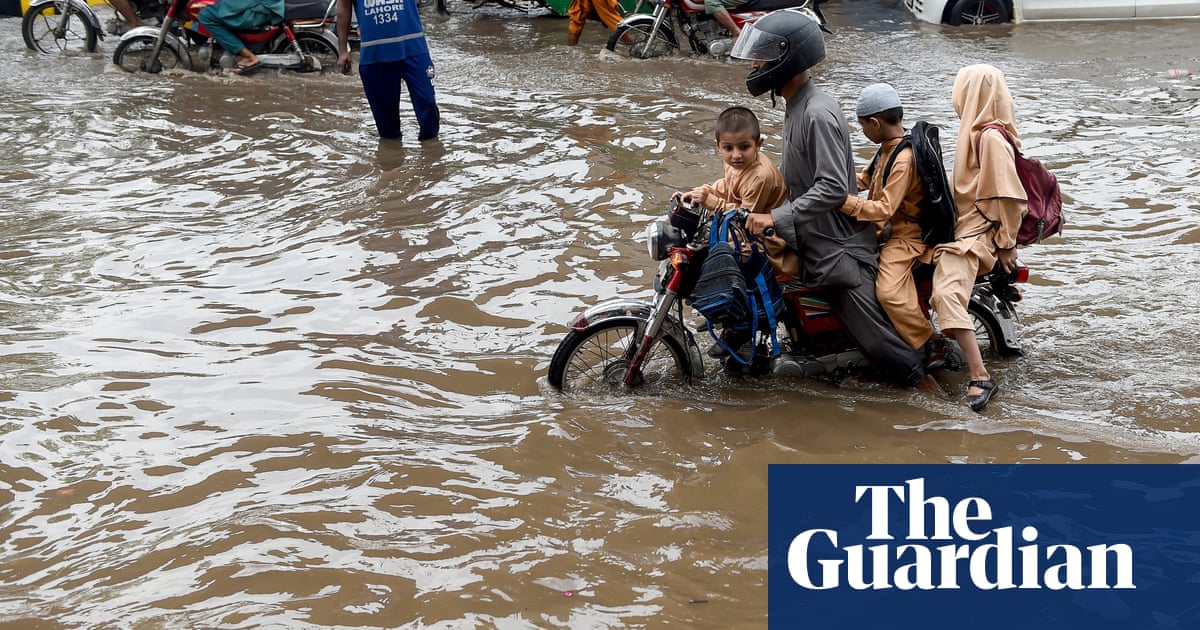
Pakistan is once again gripped by a severe flooding crisis, a direct consequence of unprecedented glacial melt driven by record-breaking summer temperatures. This environmental catastrophe, echoing the devastating floods of 2022, is not merely a humanitarian concern; it presents a growing, albeit often underestimated, risk to regional energy supply chains and introduces a new layer of complexity for global oil and gas investors. While Pakistan may not be a major crude producer, its strategic location and critical role in regional energy transit and consumption mean that widespread disruptions can ripple through markets, challenging existing supply assumptions and demanding heightened vigilance from investors.
Pakistan’s Climate Crisis Escalates, Threatening Infrastructure Resilience
The mountainous region of Gilgit-Baltistan is experiencing an acute acceleration of glacial melt, a phenomenon exacerbated by temperatures soaring to 48.5C (119.3F). This marks a significant increase from the previous record of 47C set in 1971 and is described by local officials as unprecedented. With approximately 7,200 glaciers in Gilgit-Baltistan, their rapid melting has led to swollen rivers and the formation of unstable glacial lakes that burst, triggering deadly flash floods and landslides. These events have already claimed at least 72 lives and injured over 130 since late June, washing away villages, roads, and critical infrastructure, leaving communities isolated and without power or drinking water.
Pakistan, with a population of 240 million, stands as one of the world’s most vulnerable nations to the climate crisis. The current situation bears chilling similarities to the catastrophic floods of 2022, which killed 1,700 people and affected over 33 million. Experts warn that the country may be facing a repeat, with above-average rainfall expected to continue. The widespread devastation of agricultural land, a primary livelihood for many, underscores the systemic fragility. For energy markets, this translates into potential disruptions to internal transportation networks crucial for distributing refined products and natural gas, impacting local demand-supply balances and potentially increasing reliance on imports, which can strain regional logistics.
Regional Supply Chain Stress and Evolving Investor Perspectives
The ongoing crisis in Pakistan, while local in geographic scope, highlights the increasing vulnerability of energy infrastructure in climate-exposed regions. Investors frequently seek clarity on future crude price trajectories, with many currently building base-case Brent price forecasts for the next quarter and assessing the consensus 2026 Brent forecast. While immediate, direct impacts on global crude benchmarks from Pakistan’s internal situation are limited, the event underscores a critical, often overlooked, layer of supply risk that can subtly influence broader market sentiment.
As of today, Brent crude trades at $94.92 per barrel, showing a modest increase of 0.14% for the day, with its trading range oscillating between $91 and $96.89. WTI crude, by contrast, is slightly down at $91.14, a decrease of 0.15%. Gasoline prices have edged up to $2.99, gaining 0.67%. This current market stability contrasts with the significant downward trend observed over the past two weeks, during which Brent declined by $9, or 8.8%, from $102.22 on March 25th to $93.22 on April 14th. This recent price softening was likely driven by broader macroeconomic concerns and supply-demand dynamics. However, the persistent threat of climate-induced disruptions, such as those in Pakistan, introduces an unpredictable variable. Should these regional events escalate or become more frequent across other vulnerable nations, they could introduce a “climate risk premium” into crude prices, challenging the downside momentum and adding an element of geopolitical and supply insecurity that could counteract other market forces. Investors must increasingly factor in the potential for such disruptions to impact regional demand, trade flows, and the operational stability of energy assets.
Forward Outlook: Navigating Upcoming Events Amidst Climate Volatility
The coming weeks are packed with pivotal energy market events that will undoubtedly command investor attention, yet the backdrop of climate-induced disruptions in regions like Pakistan adds a layer of underlying risk. This Friday, April 17th, the Baker Hughes Rig Count will offer insights into North American drilling activity. More critically, the OPEC+ Joint Ministerial Monitoring Committee (JMMC) convenes on Saturday, April 18th, followed by the full OPEC+ Ministerial Meeting on Monday, April 20th. These meetings are expected to be primary drivers for crude price direction, as member nations decide on production quotas.
While the immediate agenda for OPEC+ will focus on balancing global supply with demand, the increasing frequency and severity of climate events implicitly underscore the fragility of global supply chains and the need for market stability. Although the Pakistan floods won’t be a direct discussion point, the broader theme of unexpected supply disruptions will resonate. Furthermore, the API Weekly Crude Inventory report on April 21st and the EIA Weekly Petroleum Status Report on April 22nd will provide crucial snapshots of U.S. crude and product inventories. Persistent logistical challenges in regions affected by climate events, even if localized, can contribute to regional inventory shifts that, over time, can impact global trade flows and price differentials. Investors should consider how these disparate data points, from weekly inventory figures to global production decisions and localized climate disasters, collectively paint a picture of an increasingly complex and interconnected energy market.
Investment Implications in a Climate-Challenged World
For oil and gas investors, the ongoing crisis in Pakistan serves as a stark reminder of the escalating risks posed by climate change. It highlights the imperative for a nuanced understanding of not just traditional supply-demand fundamentals and geopolitical tensions, but also the physical risks of extreme weather events on energy infrastructure and supply chains. Companies with significant operational footprints or market exposure in climate-vulnerable regions face increased operational costs, potential asset write-downs, and heightened scrutiny from stakeholders regarding their climate resilience strategies.
Investors should prioritize companies demonstrating robust environmental, social, and governance (ESG) frameworks that specifically address climate adaptation and mitigation. Diversification across geographies and energy sources becomes paramount in hedging against these unpredictable risks. Furthermore, a deeper dive into regional energy demand and supply dynamics, particularly in emerging markets susceptible to climate impacts, is crucial for identifying both risks and opportunities. As the frequency of such events increases, the ability to assess and integrate climate-related risks into investment theses will be a key differentiator for success in the evolving oil and gas landscape.


