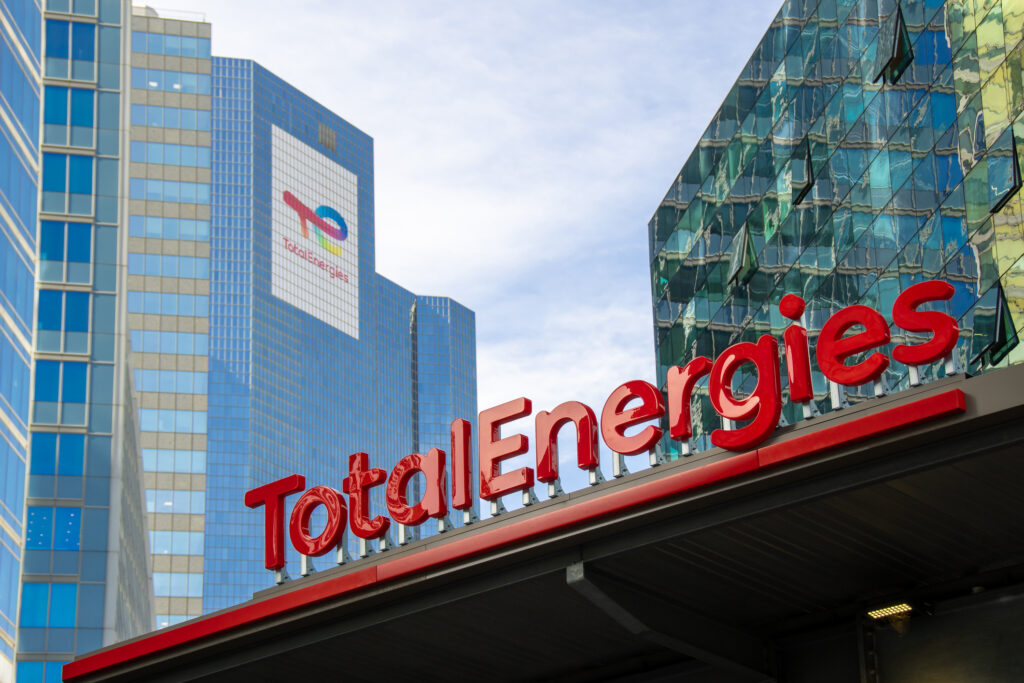
The global energy landscape is constantly shifting, but few developments capture the long-term strategic vision of major players quite like the re-initiation of a multi-billion dollar project. TotalEnergies SE is taking concrete steps to resume work on its ambitious $20 billion Mozambique LNG project, four years after militant insurgency forced a suspension and declaration of force majeure in 2021. This move, signaled by preliminary site preparations and formal notices to key contractors like Mota-Engil SGPS SA and Besix Group SA, marks a pivotal moment for TotalEnergies, the Mozambican nation, and the broader global gas market. For investors, this isn’t merely a news item; it’s a profound signal about long-term energy demand, geopolitical risk assessment, and the strategic positioning of one of the world’s largest energy companies.
TotalEnergies’ Strategic Recommitment to a $20 Billion Bet
The resumption of the Mozambique LNG project underscores TotalEnergies’ unwavering commitment to its gas portfolio and its belief in the long-term demand for liquefied natural gas. This $20 billion venture, aimed at unlocking extensive gas reserves discovered 15 years ago off northeast Mozambique, represents a significant capital allocation and a cornerstone of the company’s future growth strategy. Contractors, including Portuguese builder Mota-Engil and Belgian construction firm Besix Group, which secured a $365 million contract for marine facilities in 2020, have begun deploying resources and engaging sub-contractors for site preparation. This phased re-entry demonstrates a cautious yet determined approach, reflecting the lessons learned from the prior suspension. The project’s restart is also critical for Mozambique, a nation that ranks among the world’s poorest, as it promises substantial economic development and revenue generation. Mozambican President Daniel Chapo’s recent emphasis on collective security efforts by the government and private companies highlights the continued vigilance required, but also the strong political will backing the project’s success. For investors, this commitment signals TotalEnergies’ confidence in mitigating geopolitical risks and its strategic imperative to diversify its global LNG supply footprint.
Global LNG Dynamics and the Market’s Backdrop
The decision to restart such a significant LNG project comes against a dynamic backdrop in global energy markets. As of today, Brent crude trades at $94.8, showing a marginal uptick of 0.01% within a daily range of $91-$96.89. WTI crude, a key North American benchmark, sits slightly lower at $90.87, down 0.45%, within its range of $86.96-$93.3. Gasoline prices are also on the move, currently at $3, marking a 1.01% increase today. While crude prices have seen some volatility, with Brent trending down by approximately 8.8% over the past 14 days from $102.22 to $93.22, the long-term outlook for natural gas, particularly LNG, remains robust. This broader stability and the underlying demand for energy create a conducive environment for TotalEnergies to push forward. The re-engagement in Mozambique signals not just a belief in the project’s viability, but also a strategic play to meet anticipated future demand, especially from Asian markets where LNG spot prices have been a consistent area of investor inquiry. The long lead times for LNG projects mean that today’s investment decisions are positioning companies for a future energy landscape where gas is expected to play a critical role in the energy transition.
Addressing Investor Concerns: Supply, Security, and Price Forecasts
Our proprietary reader intent data reveals a consistent focus among investors on the key drivers of the global energy market. Questions like “What’s driving Asian LNG spot prices this week?” and requests for a “base-case Brent price forecast for next quarter” or the “consensus 2026 Brent forecast” highlight a thirst for forward-looking analysis. The Mozambique LNG restart directly addresses these concerns on several fronts. Once operational, the project’s massive liquefaction capacity will contribute significantly to global LNG supply, potentially alleviating some of the price volatility seen in Asian spot markets. While the project is years away from production, its progress now offers a long-term supply signal that can influence future price expectations. Furthermore, the successful resumption and secure operation of a project in a historically challenging region could recalibrate how investors assess geopolitical risk premiums in their broader energy investment models. The confidence TotalEnergies is showing in Mozambique’s security situation, coupled with government assurances, could unlock further investment potential in other frontier markets, influencing the overall supply outlook that underpins long-term Brent forecasts.
Navigating the Future: Key Dates on the Energy Calendar
While the Mozambique LNG project is a long-term play, investors must remain attuned to the near-term signals that shape the broader energy market sentiment. The upcoming weeks are packed with critical events that will provide further clarity on global supply-demand dynamics and producer sentiment. This Friday, April 17th, we’ll see the latest Baker Hughes Rig Count, offering insights into North American upstream activity. Crucially, the OPEC+ Joint Ministerial Monitoring Committee (JMMC) meets on Saturday, April 18th, followed by the full OPEC+ Ministerial Meeting on Monday, April 20th. Decisions from these gatherings on production quotas will directly impact crude prices and, by extension, the overall capital allocation environment for major energy projects. Following these, weekly reports from the API (April 21st, 28th) and EIA (April 22nd, 29th) on crude inventories will offer snapshots of short-term supply and demand balances. For investors tracking TotalEnergies, monitoring these events will be crucial. A stable or rising crude price environment, potentially supported by OPEC+ actions, creates a more favorable backdrop for financing and executing large-scale gas projects like Mozambique LNG. Conversely, any signs of market weakness could introduce headwinds, making the progress of this $20 billion investment all the more critical to watch.