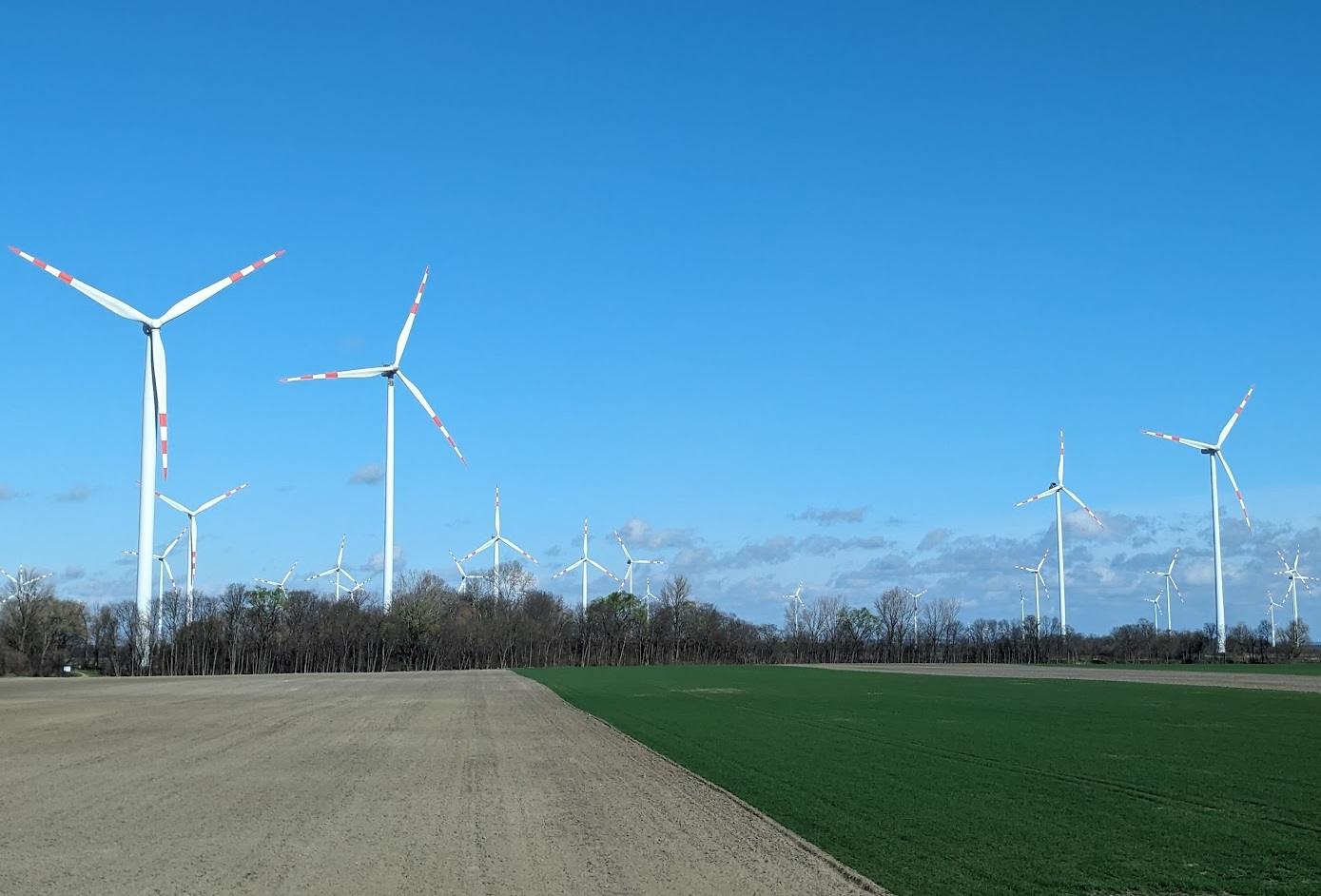
The European Commission has laid out an ambitious roadmap for decarbonization, proposing a monumental 90% reduction in net greenhouse gas emissions by 2040. This bold target, inclusive of carbon credits as a mechanism, signals an undeniable acceleration of the energy transition within the EU, with profound implications for the oil and gas sector. For investors navigating this evolving landscape, understanding the regulatory momentum and its interplay with market fundamentals is paramount. This analysis delves into the strategic shifts, market reactions, and forward-looking considerations critical for positioning portfolios in a future increasingly shaped by aggressive climate policy.
The EU’s Decarbonization Mandate: A New Baseline for Energy Investment
The European Commission’s target to slash emissions by 90% by 2040, confirmed this week, is not merely a policy suggestion; it’s a foundational shift for Europe’s energy future. This aggressive goal, coupled with Norway’s parallel commitment to reduce GHG emissions by 70-75% by 2035, illustrates a coordinated and determined push from key European economies towards decarbonization. While the inclusion of carbon credits offers some flexibility, the sheer scale of the reduction implies significant demand destruction for fossil fuels within the bloc. For oil and gas companies with substantial European exposure, this translates into an urgent need to pivot strategies, accelerate investments in lower-carbon alternatives, or face increasingly stranded asset risks. The ongoing campaign by companies and investors to maintain robust EU sustainability reporting rules further underscores the deepening integration of ESG factors into the core financial and operational strategies of European businesses.
Navigating Market Volatility Amidst Policy Headwinds
The long-term implications of such stringent emission targets are now beginning to weigh on market sentiment, even as short-term dynamics continue to create volatility. As of today, Brent Crude trades at $90.38, reflecting a significant daily decline of 9.07%, with prices ranging from $86.08 to $98.97. Similarly, WTI Crude stands at $82.59, down 9.41% within a day range of $78.97 to $90.34. This recent price action follows a broader downtrend for Brent, which has fallen from $112.78 on March 30th to $91.87 on April 17th, marking an 18.5% drop of $20.91 over just two weeks. This market softness, even with geopolitical tensions simmering, highlights the complex interplay of supply, demand, and increasingly, regulatory uncertainty. Investors are rightly asking about the trajectory of oil prices, with many contemplating what the price of oil per barrel will be by the end of 2026. While immediate supply-side factors dominate daily trading, the EU’s unwavering commitment to decarbonization casts a long shadow over future demand projections, particularly for European consumption, adding a structural bearish element to the long-term outlook for conventional fuels.
Strategic Pivots: Capital Flowing to Decarbonization Solutions
In response to this regulatory environment, capital is rapidly reallocating towards solutions that enable decarbonization. Companies and investors are not just talking about the energy transition; they are actively funding it. Microsoft, for instance, has committed to removing 1.1 million tons of CO2 through a waste-to-energy carbon capture deal, demonstrating a tangible investment in carbon removal. This aligns with broader trends where significant capital is flowing into innovative technologies; Climeworks recently raised $162 million to scale its direct air capture (DAC) solutions, and a joint venture by Phlair and Carbon Removal is set to develop Europe’s largest DAC project. Furthermore, the diversification of energy giants is evident, with Eni and Azimut launching a €100 million clean energy tech venture fund. Even in adjacent sectors, investment is robust, as seen with Terra CO2 raising $124 million for low-carbon building materials. These developments provide a clear answer to investors pondering the long-term viability of traditional oil and gas companies like Repsol. Firms that can strategically integrate carbon capture, develop sustainable aviation fuels (British Airways’ 400,000-tonne reduction deal), or diversify into new energy vectors will be best positioned to thrive in a carbon-constrained European market.
Upcoming Catalysts and the Short-Term Outlook
While the long-term decarbonization trajectory is clear, the immediate future for oil and gas markets will be shaped by traditional supply-side dynamics and economic indicators. Investors should closely monitor the upcoming OPEC+ Joint Ministerial Monitoring Committee (JMMC) meeting this Saturday, April 18th, followed by the Full Ministerial meeting on Sunday, April 19th. These meetings are crucial for understanding potential shifts in production quotas, a frequent question from our readers, and could significantly impact short-term supply. Any decision to adjust output, particularly in response to recent price declines, will reverberate across the market. Furthermore, the API Weekly Crude Inventory reports on April 21st and 28th, alongside the EIA Weekly Petroleum Status Reports on April 22nd and 29th, will offer critical insights into U.S. inventory levels and demand trends. These are complemented by the Baker Hughes Rig Count on April 24th and May 1st, which provides a gauge of future production capacity. The interplay between these immediate supply-side catalysts and the enduring, demand-eroding pressure from EU emission targets will define the market’s path in the coming weeks, requiring investors to remain highly agile in their strategies.


