The intricate web of global energy markets often reveals unexpected threads. While geopolitical tensions, supply chain disruptions, and OPEC+ decisions typically dominate headlines, an unusual environmental phenomenon in Europe this spring has presented a subtle yet significant ripple effect on regional fuel demand and broader economic activity. Extreme pollen levels across the continent, amplified by shifting climate patterns, are not merely a public health concern but an emerging factor for investors tracking refined product consumption.
Pollen’s Economic Drag: A Hidden Threat to European Demand
Recent observations from the Copernicus Atmosphere Monitoring Service (CAMS) paint a clear picture of an unprecedented allergy season. Southern Europe experienced a pronounced seasonal increase in grass and olive pollen, while north-eastern regions, particularly Finland, contended with “extreme levels” of birch pollen. In May, Finland reported “extreme daily means of birch pollen” so severe that individuals without any known allergies displayed significant symptoms. This widespread affliction, extending beyond typical allergy sufferers, implies a substantial portion of the population experiencing discomfort and reduced well-being.
The economic ramifications are straightforward: a populace suffering from hay fever symptoms often experiences decreased productivity, reduced mobility, and a general reluctance for discretionary activities. For an economy heavily reliant on consumer spending and vibrant commercial activity, such widespread health impairment can translate into a measurable slowdown. Historically, about 25% of European adults and a staggering 30% to 40% of children suffer from airborne allergies, including severe asthma. The World Health Organization projects this figure could reach half of all Europeans by 2050, signaling a worsening long-term trend with escalating economic consequences.
Direct Impact on Fuel Consumption and Transportation
For energy investors, the link to fuel demand is critical. A population feeling unwell is less likely to commute, embark on leisure travel, or engage in activities requiring transportation. This directly translates to softer demand for gasoline and diesel. Reduced consumer spending due to discomfort or illness can also slow down the logistics and freight sectors, further curbing diesel consumption. While the immediate impact might appear marginal, the “severity and extent” of this year’s pollen episode, as noted by CAMS Director Laurence Rouil, suggests a non-trivial drag on short-term energy consumption across affected European regions.
Consider the cumulative effect: a significant percentage of the workforce experiencing fatigue, headaches, and respiratory issues will likely opt for remote work where possible or simply reduce outings. This behavioral shift, scaled across millions, offers a plausible explanation for any unexpected dips in road fuel consumption data. While not a market-moving cataclysm, it represents an additional layer of demand uncertainty that savvy investors must consider when analyzing European refined product markets.
Climate Change: The Overarching Driver and Long-Term Risk
Scientists unequivocally link the escalating severity and duration of pollen seasons to the broader climate crisis. Earlier winter thaws and warmer spring temperatures accelerate plant and tree flowering, effectively extending the period of high pollen exposure. This environmental shift isn’t an isolated incident; it’s a symptom of a changing climate that increasingly introduces volatility into various aspects of human life, including energy demand patterns.
From an investment perspective, this reinforces the need to incorporate climate-related risks and opportunities into long-term energy strategies. As climate change continues to manifest in unexpected ways, ranging from extreme weather events to altered biological cycles, its influence on economic stability and, by extension, energy consumption, will only grow. Monitoring such environmental shifts becomes as crucial as tracking traditional economic indicators for a comprehensive understanding of future energy landscapes.
Compounding Factors: Wildfires and Deteriorating Air Quality
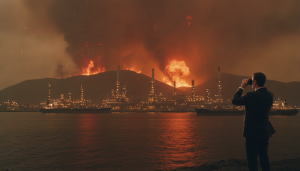
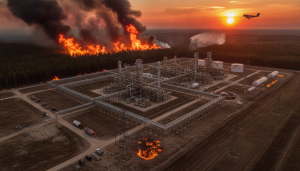
Beyond pollen, Europe’s air quality this spring faced additional challenges that further exacerbated public health and potentially impacted economic activity. Wildfires, another phenomenon increasingly linked to climate change, contributed significantly to atmospheric pollution between March and May. The UK, for instance, recorded its second-highest April fire emissions since 2003, while the Netherlands experienced unprecedented wildfire emissions for that period of the year. Farther afield, massive blazes in eastern Russia sent substantial smoke plumes into China and Japan, and smoke from major Canadian wildfires was observed over Europe in late May. These events not only directly consume fuel for firefighting efforts but also negatively affect regional air quality, which can heighten individuals’ sensitivity to allergens, creating a detrimental feedback loop.
This confluence of extreme pollen and wildfire smoke creates a particularly noxious environment, further deterring outdoor activities, impacting health, and potentially reducing fuel demand for transportation and leisure. The increased frequency and intensity of these events highlight a growing systemic risk that investors in the energy sector cannot afford to overlook. Such environmental stressors can lead to localized economic contractions, supply chain disruptions, and shifts in consumer behavior that directly influence demand for various refined products.
Investment Implications for the Energy Sector
What does this mean for energy investors? Firstly, it underscores the sensitivity of fuel demand to seemingly unconventional factors. While geopolitical events and economic policies remain primary drivers, environmental and public health crises, particularly those tied to climate change, are becoming increasingly relevant variables in demand forecasting. Short-term, localized demand softness for transportation fuels in Europe due to allergy-related economic slowdowns could be a micro-trend worth monitoring.
Longer-term, the accelerating trend of climate-induced environmental challenges, such as extended pollen seasons and intensified wildfires, suggests a future where these factors will play a more prominent role in shaping energy consumption patterns. Investors should consider diversifying portfolios to account for potential shifts in energy demand, perhaps favoring companies innovating in cleaner energy solutions or those resilient to climate-related disruptions. Understanding these complex interdependencies is paramount for navigating the evolving landscape of global energy markets and making informed investment decisions in an increasingly interconnected world.