The Niger Uranium Crisis: A Deepening Supply Choke Point
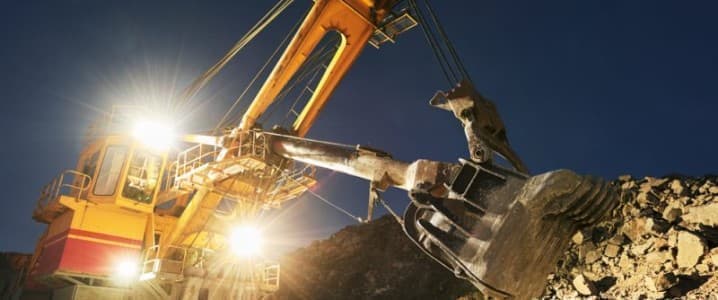
The global energy landscape is increasingly defined by geopolitical friction and resource nationalism, and the latest flashpoint emerges from Niger, where French nuclear fuel giant Orano’s uranium mining subsidiary is teetering on the brink of financial collapse. While the COMINAK mine in the Arlit region ceased production in 2021, its current predicament casts a long shadow over future nuclear fuel supply stability, particularly for Europe. Orano’s subsidiary faces potential insolvency and a cessation of payments as early as July, a direct result of stalled negotiations with Niamey and critical equipment blockades at the border. This situation not only halts essential post-mining environmental rehabilitation efforts but also underscores the fragility of strategic resource supply chains in an era of heightened geopolitical recalibration.
Historically, the COMINAK site was a significant contributor, once providing up to 30% of France’s uranium requirements. More recently, Niger accounted for approximately 15% of the European Union’s total uranium imports in 2022, second only to Kazakhstan. The ongoing standoff highlights France’s particular vulnerability, extending beyond its historical colonial ties to fundamental energy security. The inability to access key technical materials for site rehabilitation raises not only financial alarms for Orano but also serious concerns regarding regional environmental and radiological safety, issues the company has openly warned about. For investors tracking long-term energy trends, this event signals a potential shift in the risk premium associated with nuclear fuel sourcing.
Geopolitical Realignments and Resource Sovereignty
The uranium dilemma in Niger is not an isolated incident but a direct consequence of the country’s profound political realignment following the July 2023 coup. The military-led government has aggressively pursued a strategy of reasserting sovereignty over its vast resource base, a move that included the expulsion of French forces and a deliberate pivot towards closer ties with Russia and China. This shift has broader implications for global energy markets, as resource-rich nations increasingly leverage their natural endowments for political and economic leverage.
This assertive stance is also evident in Niger’s hydrocarbons sector. The nation is actively developing a 2,000-km crude oil export pipeline to Benin, a project designed to transform the landlocked country into a significant regional energy player. However, much like the uranium situation, this ambitious pipeline project has been plagued by diplomatic spats and border closures, leaving tankers stranded at the Sèmè-Kpodji terminal despite oil production already ramping up in the Agadem basin. These parallel struggles in both uranium and crude oil underscore a consistent theme: Niger’s new leadership is determined to dictate terms, even at the cost of immediate operational efficiency and international collaboration. Investors must factor this heightened resource nationalism into their risk assessments for energy projects across the African continent and beyond.
Navigating Volatility: What Investors Are Asking Amidst Shifting Supplies
The unfolding situation in Niger adds another layer of complexity to an already intricate global energy market, directly impacting the investment landscape. Our proprietary intent data reveals that investors are keenly focused on understanding future price trajectories, with common inquiries centering on requests like “Build a base-case Brent price forecast for next quarter” and “What is the consensus 2026 Brent forecast?” While these questions primarily target crude oil, the disruption in nuclear fuel supply chains underscores a broader theme of supply vulnerability that can ripple across the entire energy complex. Any constraint on one energy source can indirectly influence demand or sentiment for others, contributing to overall market uncertainty.
Against this backdrop of evolving energy supply concerns, the crude oil market itself presents a mixed picture. As of today, Brent crude trades at $94.78, reflecting a marginal daily dip of 0.01%, within a day range of $91 to $96.89. WTI crude similarly saw a slight decline, trading at $91.22, down 0.07% for the day. This current stability, or even slight bearishness, is notable given the recent trend; over the past two weeks, Brent crude has seen a significant pullback, dropping from $102.22 on March 25th to $93.22 on April 14th, an 8.8% decline. This recent downward pressure on crude prices stands in stark contrast to the emerging supply fears in the nuclear fuel sector, illustrating the divergent pressures at play in different segments of the energy market. Investors are also monitoring gasoline prices, which currently stand at $3, showing a modest 1.01% increase today, reflecting demand dynamics that can be sensitive to broader economic signals.
Upcoming Catalysts and the Broader Energy Outlook
Looking ahead, the next two weeks are packed with critical events that will further shape the immediate and medium-term outlook for oil and gas investing, even as the Niger uranium situation continues to develop. The energy sector will closely watch the Baker Hughes Rig Count reports on April 17th and April 24th, providing vital insights into North American production activity. More significantly, the OPEC+ Joint Ministerial Monitoring Committee (JMMC) meeting on April 18th, followed by the Full Ministerial OPEC+ Meeting on April 20th, will be paramount. These gatherings hold the potential to dictate global crude supply policy, directly impacting the price forecasts investors are actively trying to construct.
Furthermore, weekly inventory reports from the American Petroleum Institute (API) on April 21st and April 28th, and the official EIA Weekly Petroleum Status Reports on April 22nd and April 29th, will offer granular data on U.S. crude, gasoline, and distillate stocks, providing crucial demand and supply signals. While the Niger uranium crisis is a specific challenge for nuclear energy and broader EU energy security, these upcoming calendar events remind investors that the overall oil and gas market remains highly dynamic. Successful energy investing in this environment requires a comprehensive view, integrating geopolitical risks in specific commodity chains with the ongoing supply-demand fundamentals and policy decisions that drive crude and refined product prices. The convergence of these factors creates a complex, yet opportunity-rich, environment for discerning investors.


