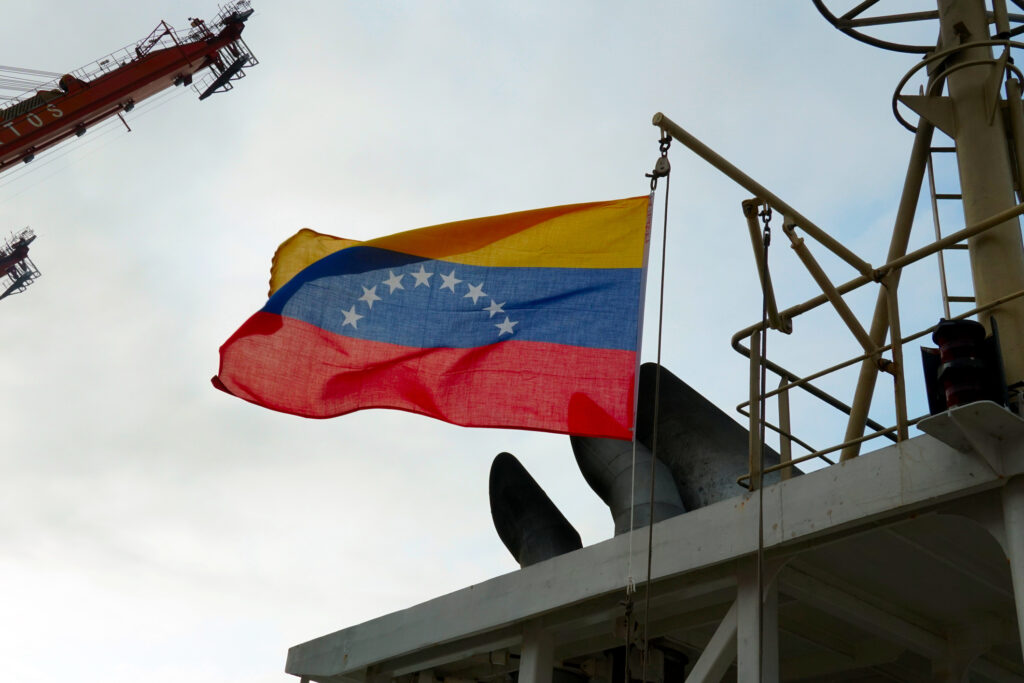
Venezuela’s Oil Exports Surge on China’s Unwavering Demand
Venezuela’s beleaguered oil industry recently demonstrated a notable uptick in export volumes, with June figures revealing a significant increase in crude and fuel shipments. This resilience comes despite stringent Western sanctions, underscoring a strategic pivot towards Asian markets, particularly China, which has emerged as a critical lifeline for state-owned Petróleos de Venezuela S.A. (PDVSA). Investors closely monitoring global oil dynamics should recognize the implications of this reorientation for commodity flows and geopolitical energy security, signaling both challenges and opportunities in a shifting global energy landscape.
Navigating Sanctions: The Immediate Impact
The export surge directly follows Washington’s late May decision to withdraw general licenses that had previously permitted international partners, including energy majors like Chevron and Repsol, to process Venezuelan crude at U.S. and European refineries. This move effectively severed traditional market access points for PDVSA, forcing an immediate re-evaluation of its export strategy. The termination of these crucial authorizations presented a stark challenge to Venezuela’s already constrained oil sector, necessitating rapid adaptation to maintain production and revenue streams and find alternative buyers for its heavy crude grades.
The Asia Pivot: A New Export Blueprint
In response, PDVSA swiftly intensified its focus on the Asian market. The national oil company has been channeling its crude and refined products through a network of less-prominent intermediaries, who then facilitate transactions with independent refiners across China. This intricate supply chain has proven instrumental in circumventing Western sanctions, allowing Venezuelan oil to find a consistent, albeit circuitous, route to eager buyers. Notably, this includes quantities of Boscan heavy crude, a grade historically destined for U.S. Gulf Coast refineries via partnerships that are now curtailed. This strategic redirection highlights the complex interplay of geopolitics and energy trade.
June Export Performance: A Detailed Look
The effectiveness of this strategic shift is evident in the June export statistics. Venezuela shipped an impressive 844,000 barrels per day (bpd) of crude and fuel, marking an 8% increase over May’s average of 779,000 bpd. A total of 27 tankers departed Venezuelan ports during the month, carrying not only oil products but also 233,000 metric tons of byproducts and petrochemicals. This contrasts with May’s byproduct and petrochemical exports of 329,000 metric tons, indicating a stronger focus on primary crude and fuel sales in June. This rebound in crude exports demonstrates PDVSA’s operational capacity to re-route significant volumes.
China’s Dominance in Venezuela’s Export Portfolio
China’s role in this resurgence cannot be overstated. Approximately 90% of Venezuela’s total crude and fuel exports in June were directed to China, either directly or via trans-shipment hubs. This represents a substantial increase from May, when China accounted for roughly 75% of Venezuelan shipments. While PDVSA also dispatched around 8,000 bpd to political ally Cuba, along with some methanol and petroleum coke cargoes to Europe and India, the overwhelming majority of its export capacity now relies on Chinese demand. This consolidation of market reliance introduces both opportunities and risks for Venezuela’s long-term energy strategy, cementing China’s pivotal role in supporting Caracas’s oil sector.
Boscan Crude: A Strategic Asset for Production Stability
A key driver behind June’s export boost was a notable uptick in sales of Boscan crude. Three dedicated cargoes of this heavy-grade oil, primarily valued for asphalt production, sailed to Asia. The sustained export of Boscan crude holds particular strategic importance for PDVSA; it is crucial for preventing a potential output reduction at the Boscan oilfield, one of the nation’s largest and a vital source of Venezuela’s heavier oil grades. Maintaining production levels at such a critical asset is paramount for PDVSA’s operational stability and overall crude output, especially given the challenges posed by underinvestment and sanctions.
PDVSA’s Operational Adaptations and Self-Sufficiency
PDVSA has also demonstrated operational foresight in managing its supply chain amidst the evolving sanctions landscape. Prior to the cancellation of the U.S. licenses, the state firm strategically accumulated substantial reserves of imported refined products within its storage tanks. This proactive measure allowed PDVSA to bypass the need for diluent imports in June, as confirmed by shipping data. Such self-sufficiency, even if temporary, highlights PDVSA’s efforts to mitigate immediate external dependencies and maintain refining operations, showcasing a pragmatic approach to overcoming supply chain hurdles.
Investor Outlook: Navigating a Fragmented Market
For investors tracking the global oil market, Venezuela’s latest export performance offers a complex picture. While the increase signals PDVSA’s ability to adapt to severe sanctions by re-routing supply to China, it also underscores the growing bifurcation of the global energy trade. The reliance on independent Chinese refiners and opaque intermediaries adds layers of complexity and potential volatility. Understanding these shifts is crucial for assessing supply-side risks and opportunities in an increasingly fragmented international oil market, where geopolitical considerations heavily influence commodity flows and pricing. These developments highlight the enduring demand for heavy crude and the creative strategies employed to meet it.