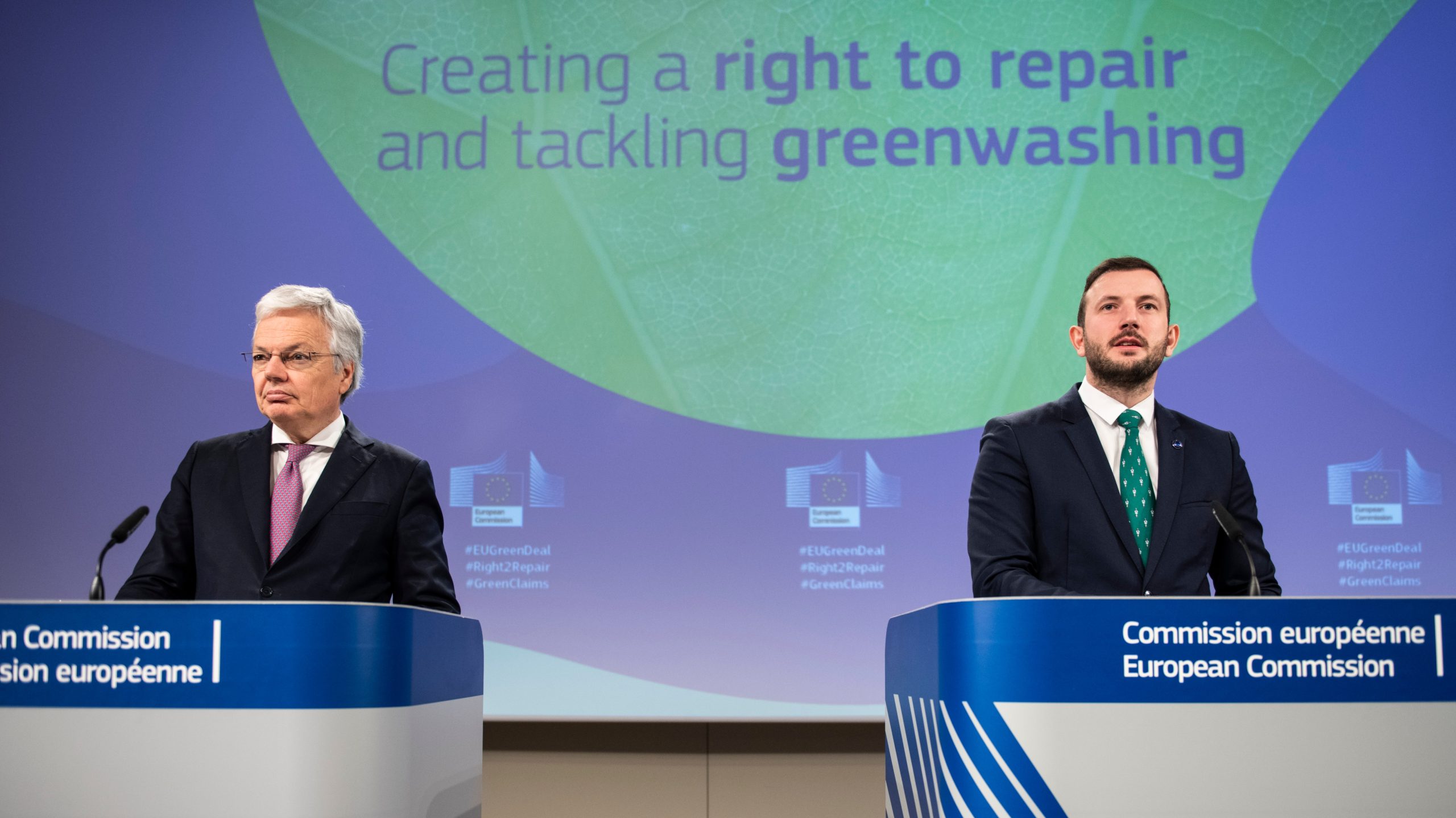
The European Union’s Green Claims Directive (GCD) has navigated a period of intense confusion, emerging with its core mandate firmly intact. Following conflicting statements and the temporary cancellation of trilogue negotiations, the European Commission has clarified that the proposed anti-greenwashing regulation has not been withdrawn. This definitive stance signals an unwavering commitment to combating misleading environmental claims, a development with profound implications for the energy sector. For oil and gas investors, this directive represents a significant escalation in ESG pressure, demanding greater transparency and verifiable evidence for any green initiatives or products, thereby reshaping the landscape for capital allocation and corporate strategy across the continent.
The Confirmed Directive: Heightened Scrutiny for Green Claims
First introduced in March 2023 as a cornerstone of the European Green Deal, the Green Claims Directive aims to standardize and authenticate environmental claims made by companies operating within the EU. Its primary objective is to combat greenwashing by mandating that all voluntary environmental claims are substantiated with robust scientific evidence, subjected to independent verification, and presented without misleading eco-labels. The scope is broad, encompassing all environmental claims about products and services, with specific provisions to ensure accuracy, comparability, and credibility. This regulatory push is not without cause; EU data indicates that over 50% of current green claims are vague or misleading, with a concerning 40% found to be entirely unsubstantiated. For energy companies, particularly those actively diversifying into renewable fuels, carbon capture technologies, or marketing “cleaner” natural gas, the directive elevates the bar significantly. Claims around reduced emissions, sustainable production, or environmental benefits will now face rigorous scrutiny, demanding a meticulous approach to data collection, reporting, and external validation that few currently fully meet. This will undoubtedly influence investment into projects that rely heavily on their environmental credentials for market appeal and funding.
Microenterprise Exemption: The Lingering Battleground and Market Sentiment
The recent confusion surrounding the directive’s status stemmed directly from the contentious issue of microenterprise inclusion. The European People’s Party (EPP), the largest party in the European Parliament, vigorously argued for the exclusion of microenterprises—defined as businesses with fewer than 10 employees and under €2 million in revenue—citing concerns over disproportionate administrative burdens. These businesses represent approximately 96% of all companies in the EU. The Commission’s subsequent clarification revealed that its intention to withdraw the proposal was contingent *only* on microenterprises remaining within its scope, signaling a firm commitment to the directive’s broader application to larger entities. This nuanced position underscores the EU’s resolve to push forward with anti-greenwashing measures, even while acknowledging practical implementation challenges for the smallest businesses. For energy investors, this focus on regulatory burden highlights a growing theme: the increasing cost of compliance with evolving ESG standards. As of today, Brent Crude trades at $95.57, marking a 0.82% increase for the day, having ranged between $91 and $96.89. WTI Crude stands at $92.08, up 0.88%, with its daily range between $86.96 and $93.3. Gasoline prices have also seen an uptick, reaching $3.01, a 1.35% increase for the day. This daily positive movement, however, occurs against a backdrop of recent volatility, with Brent having declined by approximately 8.8% over the past two weeks, moving from $102.22 on March 25th to $93.22 on April 14th. Such fluctuations underscore the market’s sensitivity to both geopolitical developments and regulatory shifts. While the Green Claims Directive may not immediately impact crude prices, its long-term effect on investment flows into ‘greener’ energy projects and the perception of companies’ ESG performance will become increasingly material, influencing market sentiment and capital allocation decisions.
Forward Implications for Energy Investors: Upcoming Catalysts and ESG Momentum
The confirmation of the Green Claims Directive adds a critical layer to the investment thesis for energy companies, particularly as we look towards upcoming market catalysts. The next 14 days are packed with events that will shape the immediate future of crude markets, including the Baker Hughes Rig Count updates on April 17th and April 24th, offering fresh insights into North American supply dynamics. More significantly, the OPEC+ JMMC meeting on April 18th and the Full Ministerial Meeting on April 20th are poised to deliver crucial decisions on production policy, directly impacting global supply and price stability. These traditional supply-side drivers, alongside the API and EIA Weekly Crude Inventory reports on April 21st/22nd and April 28th/29th, will continue to dictate short-term market movements. However, the confirmed Green Claims Directive introduces a new, enduring factor into the investment equation. Energy companies, especially those with public-facing ESG commitments or diversified portfolios into cleaner energy, must now prioritize the verifiable substantiation of their environmental claims. Failure to do so could lead to significant fines, reputational damage, and a higher cost of capital. Investors will increasingly scrutinize annual reports and sustainability disclosures, demanding clear, evidence-backed assertions, thereby accelerating the momentum for genuine, rather than performative, ESG integration.
Addressing Investor Concerns: Price Forecasts and the Green Transition Premium
Our proprietary data indicates that investors are keenly focused on forward price discovery, with frequent queries around “building a base-case Brent price forecast for next quarter” and “consensus 2026 Brent forecast.” This reflects a market grappling with short-term volatility stemming from supply-demand fundamentals and geopolitical risks, alongside long-term structural changes driven by the energy transition. While immediate crude prices will continue to be influenced by factors like Chinese refinery runs—another area of investor interest this week, alongside Asian LNG spot prices—the confirmed Green Claims Directive introduces a new dimension to the valuation of energy companies. Investors are increasingly asking not just about production volumes and margins, but also about the integrity of green claims, especially as they relate to future growth areas like carbon capture, hydrogen, or renewable energy divisions. Companies that can transparently and scientifically substantiate their environmental efforts may command a “green transition premium,” benefiting from lower financing costs and stronger investor confidence. Conversely, those exposed to greenwashing accusations risk significant capital flight. This directive, therefore, pushes the energy sector towards more robust, data-driven ESG reporting, making verifiable sustainability a competitive advantage and an essential component of any credible long-term price forecast for energy equities.


