The energy landscape is undergoing a profound transformation, driven by relentless innovation in storage technologies. For seasoned oil and gas investors, understanding these shifts is not merely an academic exercise but a critical component of strategic portfolio management. While the immediate focus often remains on geopolitical dynamics, production quotas, and inventory levels, a quiet revolution in battery materials is gathering momentum, one that promises to fundamentally reshape long-term energy demand. Group14 Technologies, with its silicon-dominated anode material SCC55, has just delivered a significant milestone, pushing the boundaries of battery performance and signaling an accelerated trajectory for electric mobility and grid-scale storage solutions.
Silicon Anodes Redefine Battery Durability and Investment Horizons
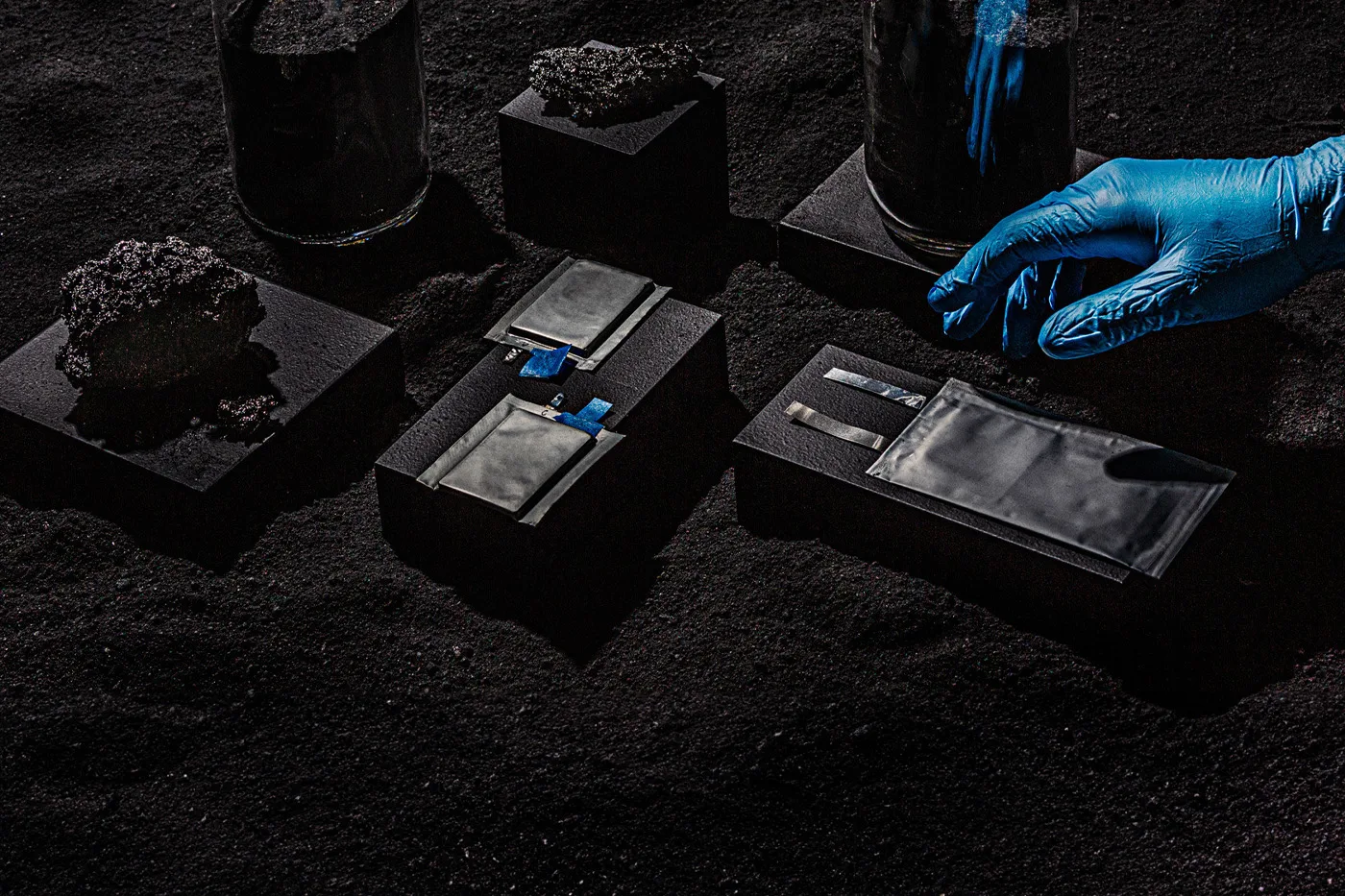
Group14’s SCC55 material is poised to redefine industry benchmarks, enabling battery manufacturers to achieve impressive charge cycle counts – exceeding 1,500 cycles in general applications and even surpassing 3,000 cycles in specific uses. This represents a substantial leap from the traditional 1,000-cycle threshold that has long governed high-performance lithium-ion batteries. The breakthrough is critical because it directly addresses the historical trade-off with silicon-dominant chemistries: while silicon offers superior energy density and faster charging capabilities, it often came with a compromise on cycle life. SCC55 now offers the best of both worlds, validating silicon’s potential as a cornerstone for future battery technology. This enhanced durability has direct implications for the total cost of ownership across battery-centric sectors, including electric vehicles (EVs), emerging electric vertical takeoff and landing aircraft (eVTOLs), and the rapidly expanding energy storage systems for AI data centers. For investors evaluating the long-term outlook for petroleum demand, such advancements signal an accelerating pace of substitution in key sectors. Our internal reader intent data shows investors are keenly asking for a consensus 2026 Brent forecast and a base-case Brent price forecast for the next quarter. While these forecasts inherently focus on near-term supply-demand balances, the underlying technological currents like SCC55’s impact are building long-term demand headwinds that even bullish short-term projections must eventually contend with. The continued improvement in battery economics fundamentally alters the competitive landscape for internal combustion engine vehicles and fossil fuel-dependent power generation over a longer time horizon.
Current Market Snapshot Versus Future Demand Shifts
The immediate oil market continues to navigate complex dynamics, yet the relentless march of technological progress in energy storage is a constant, underlying force. As of today, Brent Crude trades at $95.19, reflecting a modest gain of 0.42% for the day and operating within a range of $91 to $96.89. WTI Crude shows a similar trend at $91.74, up 0.5% with a daily range of $86.96 to $93.3. These daily movements, alongside gasoline prices at $3, up 1.01%, paint a picture of ongoing volatility and immediate market reactions. However, zooming out, our 14-day Brent trend reveals a notable decline from $102.22 on March 25th to $93.22 on April 14th, marking an 8.8% reduction. This immediate price softness could be attributed to a myriad of factors, from demand concerns to shifting geopolitical sentiments. Yet, irrespective of these short-term fluctuations, the fundamental narrative of energy transition, underscored by developments like Group14’s SCC55, continues to gain strength. The ability of this material to integrate seamlessly with various battery chemistries, including LFP, LMFP, and high-nickel formats, and its current deployment in millions of devices and vehicles globally, highlights a tangible and growing shift away from fossil fuel reliance in transportation and grid applications. Investors must recognize that while today’s oil prices react to immediate supply-demand imbalances, the structural drivers of future demand are increasingly being shaped by these innovative energy storage solutions.
Strategic Production and Partnerships Paving the Way
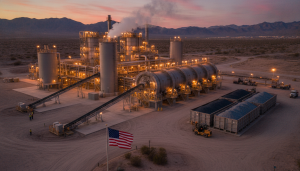
Group14 is not merely touting laboratory results; the company has moved swiftly to commercialize its breakthrough. Production of SCC55 commenced from its plant in Sangju, South Korea, in September 2024, a joint venture with SK Materials. This facility boasts an initial annual capacity of 2,000 tonnes, sufficient to power approximately 100,000 to 250,000 electric vehicles per year. This production scale, while still nascent in the grand scheme of global EV demand, signifies a critical step in bringing silicon anode technology to the mass market. The company’s strategic partnerships further underscore its market potential. Collaborations with automotive giants like Porsche and chemical industry leaders such as BASF, which recently unveiled a market-ready silicon anode solution combining Group14’s SCC55 with BASF’s Licity 2698 X F binder, demonstrate robust industry validation. These alliances are crucial for scaling production and integrating SCC55 into diverse battery ecosystems, accelerating its adoption. For oil and gas investors, these partnerships are bellwethers, indicating that major players in the traditional automotive and chemical sectors are actively investing in and integrating advanced battery materials, signaling their long-term commitment to electrification and the eventual reduction of reliance on internal combustion technologies.
Navigating Upcoming Events Amidst Long-Term Disruption
The energy market’s immediate future is punctuated by a series of high-impact events that will undoubtedly influence short-term price movements and market sentiment. In the coming days, we anticipate the Baker Hughes Rig Count reports on April 17th and April 24th, providing crucial insights into drilling activity and potential future supply. More significantly, the OPEC+ JMMC meeting on April 18th, followed by the full Ministerial meeting on April 20th, will dictate critical supply-side decisions. Additionally, the API and EIA Weekly Crude Inventory reports on April 21st, 22nd, 28th, and 29th will offer frequent updates on demand and storage levels. These events are vital for tactical trading and short-term portfolio adjustments. However, sophisticated investors must also look beyond these immediate catalysts to the longer-term structural shifts driven by technologies like SCC55. While OPEC+ decisions might influence the next quarter’s Brent price, the sustained improvements in battery technology are quietly eroding the foundational demand for oil in transportation and potentially in stationary power generation over the next decade. The increasing durability, energy density, and rapid charging capabilities of silicon batteries will accelerate the adoption of electric vehicles and grid-scale storage, creating a permanent shift in demand patterns that even the most stringent supply cuts cannot fully counteract in the long run. Investors should view these technological breakthroughs as essential components of their long-term oil and gas demand forecasting models, recognizing that the future of energy is being shaped not just by barrels and geopolitics, but by watts and chemistry.