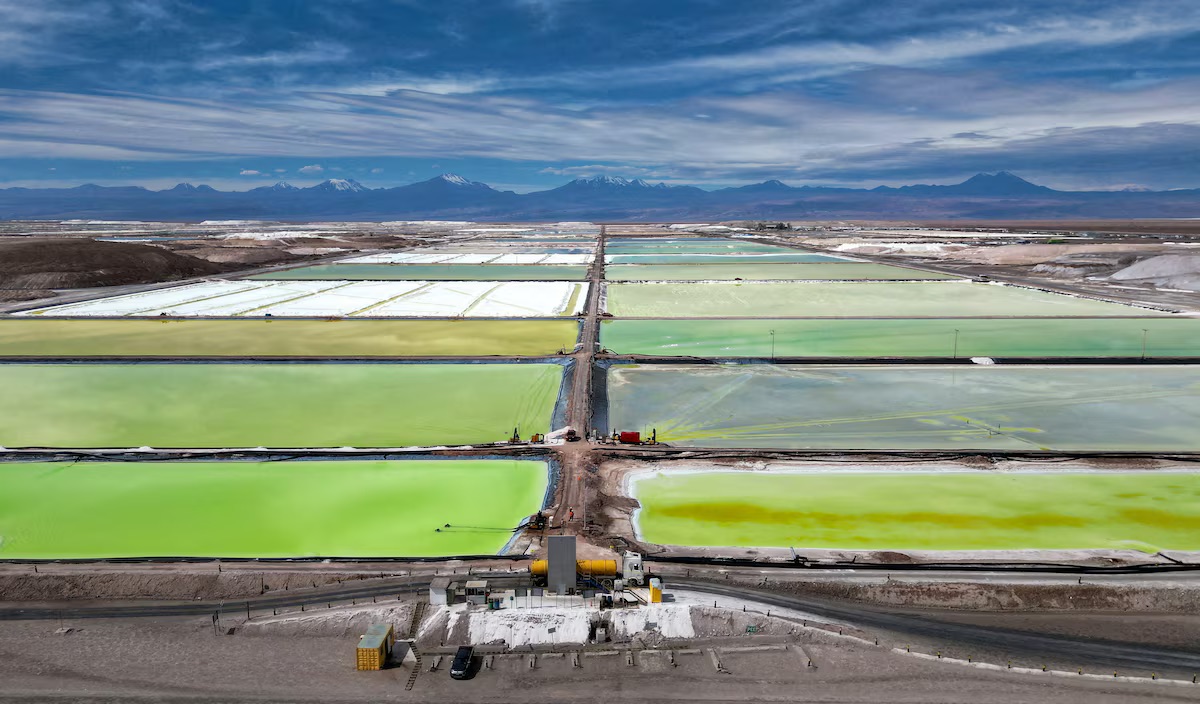
The global energy landscape is undergoing a profound transformation, yet certain market dynamics defy conventional wisdom. One such intriguing paradox is currently unfolding in the lithium sector: robust demand growth met with a dramatic collapse in prices. This phenomenon, which has puzzled and frustrated producers, presents a complex challenge for investors navigating the broader energy transition. While often viewed as a niche commodity, lithium’s centrality to electric vehicles and grid-scale battery storage inextricably links its fate to the future of energy, making its current volatility a critical watch for diversified energy portfolios.
The Lithium Paradox: Demand Surges, Prices Plunge
The statistics paint a clear picture of this market dichotomy. According to industry consultants, global lithium demand surged an impressive 24% last year and is projected to maintain a robust 12% annual growth rate for the next decade. This growth is driven by the accelerating adoption of electric vehicles, the expansion of large-scale energy storage solutions, and other electronic applications. Despite this undeniable demand trajectory, lithium prices have plummeted by over 90% in the past two years. This severe price correction has triggered widespread market pain, manifesting in layoffs, strategic corporate buyouts, and the delay or cancellation of numerous development projects across the globe. As one major producer CEO noted, this is the “lithium paradox” – a struggle between immediate market pain and long-term strategic gain. The sentiment at a recent major industry conference reflected this somber reality, with attendees describing the mood akin to the stages of grief, moving from denial to a reluctant acceptance of current market conditions. Yet, the sustained high attendance at the conference, with only a marginal 9% dip from the previous year to roughly 1,000 participants, underscores the unwavering long-term conviction in lithium’s fundamental role in the global economy.
Oversupply Dynamics and Long-Term Rebalancing
The primary driver behind the precipitous price drop is a significant oversupply, largely stemming from increased production and stockpiling by Chinese miners. This glut has created a market imbalance that is not expected to resolve quickly. Industry forecasts vary, but the consensus points to a prolonged period where supply will continue to outstrip demand. Some major producers anticipate market rebalancing no sooner than 2030, while other minerals consultancies project an even longer timeline, with demand not expected to exceed supply until 2033 at the earliest. This extended period of oversupply suggests that sustained price recovery will require either a significant slowdown in production or an even more dramatic acceleration in demand than currently projected. For investors, this implies that capital allocation in the lithium space must be underpinned by a very long-term horizon and a high tolerance for volatility. While lithium producers grapple with these internal supply dynamics, the broader energy market, which is inextricably linked to the pace of electrification, is bracing for key data points. Investors keenly watch upcoming events like the OPEC+ Joint Ministerial Monitoring Committee (JMMC) meeting on April 18th, followed by the Full Ministerial OPEC+ meeting on April 20th. Decisions on crude production quotas from these gatherings could significantly impact global energy flows and, by extension, the economic backdrop for battery metals. Similarly, the EIA and API weekly inventory reports later this month will provide crucial insights into crude demand and supply, indicators that indirectly influence the capital allocation strategies of diversified energy investors.
Investor Focus and the Drive for Cost Innovation
Amidst the lithium volatility, our proprietary reader intent data reveals a consistent focus among investors on core oil & gas fundamentals, with many actively seeking a base-case Brent price forecast for the next quarter and consensus 2026 projections. This underscores the enduring importance of traditional energy markets for many portfolios. However, for those looking at the broader energy transition, the lithium sector, despite its current headwinds, presents a critical long-term play, albeit one demanding a keen eye on cost efficiencies. In response to the challenging price environment, much of the industry dialogue at recent conferences has centered on aggressive cost-cutting measures and process innovation. Direct Lithium Extraction (DLE) projects, in particular, are at the forefront of this push, aiming to significantly lower production expenses. One DLE developer, backed by General Motors, recently unveiled preliminary estimates suggesting it could produce lithium in northern Chile with operating costs below $3,000 per metric ton. This ambitious target highlights the industry’s imperative to reduce capital intensity and operational expenditure to remain viable. The focus is shifting towards identifying which mines can consistently produce the highest quality product at the lowest possible cost, a fundamental principle for navigating commodity cycles. This drive for innovation is seen as the solution to building a more resilient and cost-effective battery supply chain, essential for the long-term health of the electrification trend.
Broader Energy Market Context and Investment Implications
The current state of the lithium market offers a stark contrast to the dynamics in traditional energy commodities. As of today, April 15th, Brent crude trades at $95.19 per barrel, showing a modest increase of 0.42% for the day within a range of $91-$96.89. WTI crude similarly saw a modest rise of 0.5% to $91.74. However, the broader trend for crude has seen a recent dip, with Brent moving from $102.22 on March 25th to $93.22 just yesterday, April 14th. This contrasts sharply with the dramatic, sustained decline in lithium prices. While crude prices exhibit their own cyclicality and sensitivity to geopolitical events, the underlying demand structure for traditional energy remains robust, supported by ongoing global industrial activity and persistent energy needs. This divergence highlights a key challenge for energy investors: balancing exposure to established, albeit cyclical, fossil fuel markets with emerging, high-growth but currently distressed, clean energy raw materials like lithium. Despite the short-term pain, lithium’s role is indisputably central to the global economy’s decarbonization efforts. While its market is currently experiencing significant volatility, described as more erratic than many other commodities, its strategic importance for the energy transition ensures sustained interest and investment in the long run. Savvy investors will recognize that while immediate focus might be on crude price forecasts and inventory reports, the long-term value proposition for lithium, supported by relentless innovation and an inevitable demand surge, remains compelling.


