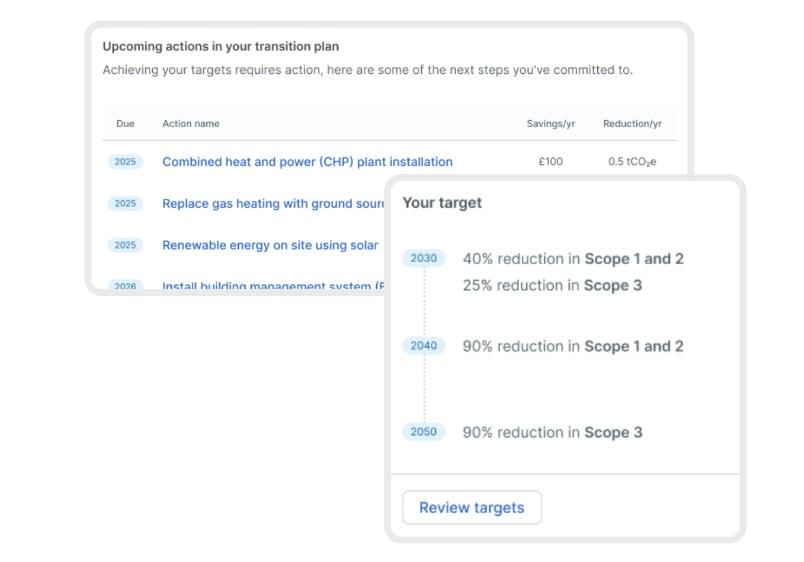
The energy sector continues to navigate a complex landscape where traditional market fundamentals increasingly intersect with stringent environmental, social, and governance (ESG) mandates. A significant development underscoring this trend is the launch of FourTwoThree, a new climate action platform supported by banking giants NatWest Group, NAB, and Standard Chartered’s SC Ventures. This initiative aims to accelerate the sustainable transition for millions of small- and medium-sized enterprises (SMEs) globally, a move with profound implications for the oil and gas industry and its intricate supply chains. For investors in oil and gas, understanding the mechanics and motivations behind such platforms is critical, as they signal a deepening integration of climate data into financial decision-making and supply chain resilience, directly impacting future capital allocation and operational viability.
The Imperative of Scope 3 Emissions Reporting for Energy Giants
The driving force behind platforms like FourTwoThree is the escalating pressure on large enterprises to address their Scope 3 emissions. These indirect emissions, often stemming from supply chains and downstream activities, can constitute over 70% of a company’s total carbon footprint. For major oil and gas players, this means scrutinizing the environmental impact of everything from drilling service providers and equipment manufacturers to logistics partners and even the end-use of their products. The new platform is specifically designed to facilitate collaboration between large corporations and their SME value chains, automating carbon footprint calculations for smaller businesses and providing tailored guidance for decarbonization. This isn’t merely about compliance; it’s about strengthening the resilience and sustainability of supplier networks, a non-negotiable for large institutions facing growing regulatory demands and investor scrutiny. Banks’ backing of this venture signals that access to capital for SMEs within the energy supply chain may soon be intrinsically linked to their demonstrable climate action and data transparency.
Market Dynamics and the ESG Valuation Premium
While the long-term strategic shift towards ESG remains immutable, investors are constantly balancing this with immediate market realities. As of today, Brent Crude trades at $94.79, reflecting a 0.72% decline, with a day range between $93.98 and $95.69. WTI Crude stands at $86.47, down 1.09%, oscillating between $85.50 and $86.78. This softness in prices follows a significant downtrend, with Brent having shed $23.49, or nearly 20%, from $118.35 on March 31st to $94.86 on April 20th. Even as crude prices fluctuate, the underlying pressure for decarbonization persists and intensifies. Robust climate reporting, enabled by platforms like FourTwoThree, could increasingly differentiate oil and gas companies and their suppliers. Those demonstrating verifiable progress in emissions reduction and supply chain sustainability may secure better financing terms, attract a broader investor base, and earn preferred status in an increasingly competitive market. This ESG valuation premium is becoming a tangible factor, even amidst short-term commodity price volatility.
Investor Focus: Navigating Supply Chain Risk and Future-Proofing Assets
Our proprietary reader intent data reveals a consistent theme among investors: a desire for clarity on both short-term market movements and long-term strategic positioning. Questions such as “Will WTI go up or down?” and “What will the price of oil per barrel be by end of 2026?” highlight a simultaneous focus on immediate returns and future viability. These queries extend beyond simple price predictions to encompass the underlying factors influencing an investment’s resilience. For oil and gas investors, understanding and actively managing Scope 3 emissions through sophisticated platforms like FourTwoThree becomes a critical component of comprehensive risk management. It’s about ensuring supply chain continuity, mitigating regulatory risks, and avoiding the specter of stranded assets. The integration of climate data into core banking infrastructure, as seen with this initiative, directly addresses investor demands for greater transparency and reliable information, extending the concept of due diligence from financial statements to environmental performance across the entire value chain. This shift necessitates that companies not only report their own emissions but also actively engage their SME partners in verifiable climate action.
Forward Outlook: Regulatory Milestones and Strategic Consolidation
Looking ahead, the landscape for oil and gas investing will continue to be shaped by both macro energy events and the deepening integration of sustainability metrics. While investors will closely watch the OPEC+ JMMC Meeting today, April 21st, and the EIA Weekly Petroleum Status Reports on April 22nd and 29th for immediate supply-demand signals, these short-term drivers operate within a broader structural shift. The launch of FourTwoThree and its acquisition of PointSource Technologies signal consolidation and maturation in the climate tech space. This trend suggests that robust, actionable climate data platforms will become indispensable tools for compliance and competitive advantage. Upcoming regulatory milestones, particularly the continued evolution of global sustainability reporting standards, will further reinforce the need for comprehensive Scope 3 data. The EIA Short-Term Energy Outlook, due on May 2nd, will offer critical insights into demand trajectories, which in turn will influence the urgency and type of decarbonization efforts required from the oil and gas sector and its extensive supply chain. Investors should recognize that the banking sector’s commitment to facilitating SME climate data reporting is not a fleeting trend, but a permanent recalibration of how capital flows and value is assessed in the evolving energy economy.


