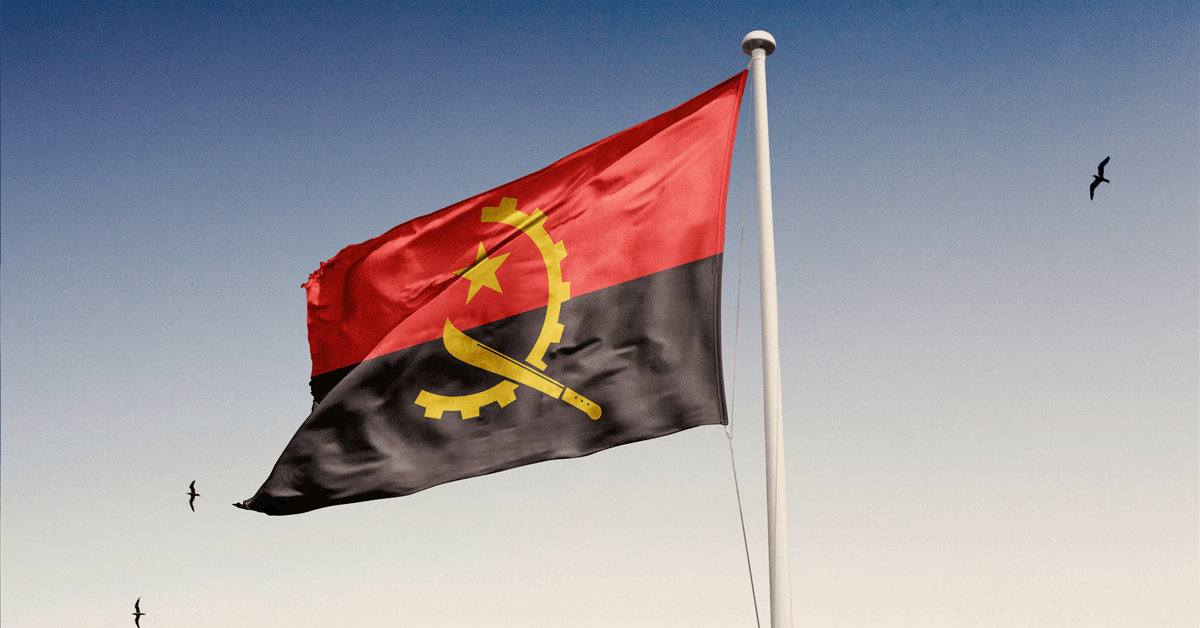
Angola, a cornerstone of African oil production, is signaling a strategic pivot that demands close attention from global energy investors. President Joao Lourenco’s recent call for expanded US investment beyond traditional oil and mineral extraction into sectors like automobiles, shipbuilding, tourism, cement, and steel marks a significant reorientation. This initiative, articulated at the US-Africa Business Summit in Luanda, reflects a growing imperative among resource-rich nations to diversify their economies, hedge against commodity price volatility, and align with broader global energy transition trends. For investors steeped in the complexities of the oil and gas sector, understanding this shift is crucial, as it implies both evolving risks for established players and burgeoning opportunities in new growth frontiers across the continent.
Angola’s Economic Diversification: A New Investment Horizon
President Lourenco’s proactive outreach to American companies underscores Angola’s commitment to fostering a more robust and varied economic landscape. While Angola has historically been a critical player in global oil markets, contributing significantly to OPEC+ supply, its leadership now explicitly seeks to leverage existing infrastructure and a “favorable business climate” to attract capital into manufacturing and services. This push for diversification into areas like vehicle assembly, maritime construction, hospitality, and heavy industry such as cement and steel production, presents a compelling new investment thesis. For traditional oil & gas firms with deep operational expertise in the region, this could mean an opportunity to expand their own portfolios or partner with new ventures, potentially de-risking their long-term presence by aligning with the host nation’s evolving strategic priorities. Conversely, firms solely focused on upstream exploration and production may find themselves operating in an increasingly complex environment where local content requirements and broader economic contributions gain prominence.
Geopolitical Dynamics and Investor Sentiment in Africa
The timing of Angola’s call is particularly salient, set against a backdrop of intensified geopolitical competition for influence in Africa. The ongoing rivalry between the United States and China, highlighted by China’s offer to remove levies on imports from almost all African countries versus the US’s threat of reciprocal tariffs after a July 9 deadline, creates a complex mosaic for investors. This dynamic directly impacts the risk-reward calculus for capital deployment across the continent, including in Angola. Our proprietary reader intent data reveals a consistent investor focus on the broader economic health of key consumption hubs, with questions such as “How are Chinese tea-pot refineries running this quarter?” frequently surfacing. This indicates a keen awareness that Chinese demand, fueled by its industrial base and consumer growth, remains a critical driver for global commodity markets. Angola’s strategic embrace of US investment, even as China expands its footprint, suggests a deliberate effort to balance international partnerships and avoid over-reliance on a single economic power. Investors must carefully assess how these geopolitical tides could influence trade policies, access to markets, and the long-term stability of their African ventures, both within and beyond the energy sector.
Navigating Volatility: Current Market Data and Upcoming Catalysts
The global energy market remains a crucible of volatility, and understanding its immediate trajectory is paramount for any investment decision, including those pertaining to Angola’s evolving economy. As of today, Brent Crude trades at $95.8 per barrel, marking a 1.07% increase for the day, with an intraday range of $91 to $96.89. WTI Crude similarly saw an uptick, reaching $92.9, up 1.77% within a $86.96-$93.3 range. Gasoline prices also reflected this upward pressure, reaching $3.03, a 2.02% increase. This intraday strength comes after a challenging period, with Brent having declined approximately 8.8% from $102.22 on March 25 to $93.22 on April 14. This recent softening, despite today’s bounce, prompts investors to frequently ask for a “base-case Brent price forecast for next quarter” and the “consensus 2026 Brent forecast.” The immediate future is packed with potential market-moving events that will shape these forecasts. We anticipate significant market reactions from the upcoming OPEC+ Joint Ministerial Monitoring Committee (JMMC) meeting on April 18, followed by the full Ministerial OPEC+ meeting on April 20. These gatherings will provide crucial insights into supply policy, directly impacting Angola’s production quotas and global supply fundamentals. Furthermore, the weekly API and EIA crude inventory reports, scheduled for April 21/22 and April 28/29, alongside the Baker Hughes Rig Count reports on April 17 and April 24, will offer granular data on immediate supply-demand balances. These events will undoubtedly influence short-term price movements and inform the longer-term outlook for oil, making Angola’s diversification strategy all the more prudent in a world still highly dependent on, yet increasingly wary of, crude price swings.
Strategic Positioning for US Investment Beyond the Barrel
President Lourenco’s appeal to the US is a clear invitation for American firms to deepen their engagement, moving beyond the well-trodden paths of oil exploration and production. For US oil majors already operating in Angola, this presents a strategic inflection point: either expand their local remit into these new sectors, leveraging existing capital and relationships, or risk being perceived as solely extractive. The US government’s stance, marked by threats of reciprocal tariffs and reduced aid, contrasts sharply with China’s more conciliatory trade gestures. This creates a competitive dynamic where US companies must demonstrate value creation beyond traditional resource extraction to maintain a strong strategic position. The “favorable business climate” cited by Lourenco is a direct signal that Angola is actively seeking partners willing to invest in its domestic industrialization and job creation. This strategic shift requires US investors, both within and outside the energy sector, to re-evaluate their long-term commitments and consider how their capital can contribute to Angola’s broader economic aspirations, thereby securing a more sustainable and politically resilient presence in a key African market.


