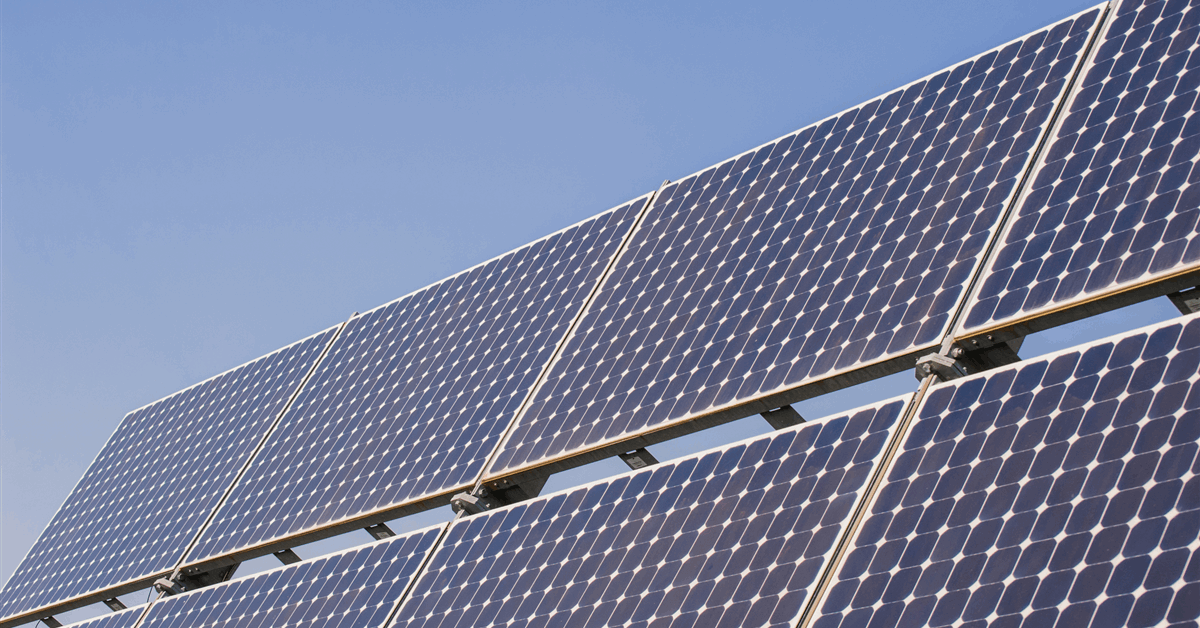
Integrated energy major OMV Petrom is making a decisive move into the renewable energy landscape, signaling its commitment to diversification and the broader energy transition. The company recently announced the acquisition of a 50 percent stake in the Gabare solar project in Bulgaria from Enery Element. This strategic investment in a large-scale photovoltaic (PV) park with a design capacity of approximately 400 megawatts (MW), and the option for a significant battery energy storage system, underscores a growing trend among traditional oil and gas players to build out their low-carbon portfolios.
OMV Petrom’s Strategic Pivot Towards Renewable Stability
OMV Petrom’s acquisition of a 50 percent share in Dunav Solar Plant EOOD, the developer of the Gabare project, represents a calculated expansion into a neighboring market with significant renewable potential. Situated in Byala Slatina, near Sofia, Bulgaria, the Gabare project is not just about adding clean energy capacity; it’s about securing long-term, stable revenue streams. The project’s anticipated production could cover the annual electricity consumption of approximately 150,000 Bulgarian households, highlighting its scale and impact. Franck Neel, OMV Petrom’s Executive Board Member for Gas & Power, articulated the company’s dual vision, emphasizing that “natural gas and renewables complement each other and play a key role in reducing emissions while ensuring energy stability.” This philosophy underpins the strategy to leverage existing gas infrastructure while expanding into less volatile renewable assets.
A crucial element of the investment framework is OMV Petrom’s acquisition of 50 percent of the electricity production through a power purchasing agreement (PPA). This long-term PPA is key for ensuring revenue predictability, a stark contrast to the inherent volatility of commodity markets. The project will incorporate solar tracking systems to maximize energy generation, with further consideration for a battery energy storage system of up to 600 MWh, enhancing grid stability and dispatchability. With construction permits and grid connection already secured, the EUR 200 million ($232.3 million) investment, including external financing, is set to be realized by 2027, with commercial operation slated to begin the same year.
Navigating Volatile Crude Markets: A Diversification Imperative
The strategic rationale for oil and gas majors to diversify into renewables is amplified by the persistent volatility in global crude markets. As of today, Brent Crude trades at $90.38 per barrel, reflecting a significant daily decline of 9.07%, with its range fluctuating between $86.08 and $98.97. Similarly, WTI Crude stands at $82.59, down 9.41% for the day. This recent instability follows a notable trend over the past two weeks, where Brent prices have fallen from $112.78 on March 30th to $91.87 on April 17th, representing an 18.5% drop. Such sharp price movements underscore the inherent risks in a purely hydrocarbon-focused portfolio.
For a company like OMV Petrom, which operates across the entire oil and gas value chain, these market dynamics directly impact profitability and investment capacity. By integrating large-scale renewable projects like Gabare with its robust PPA structure, OMV Petrom can establish a more resilient business model. The predictable cash flows from clean energy generation offer a vital hedge against the fluctuating revenues derived from oil and gas exploration, production, and refining. This strategic balancing act aims to stabilize overall company performance while actively participating in the global energy transition, thereby enhancing long-term shareholder value amidst an evolving energy landscape.
Forward-Looking Investment Horizons and Upcoming Market Catalysts
Investors tracking OMV Petrom’s trajectory will be keenly observing the project timeline: the transaction is expected to close in the second half of 2025, with the final investment decision anticipated by the end of 2025, leading to commercial operation in 2027. These milestones are critical for the company’s renewable energy growth story. However, the broader energy market will continue to be influenced by near-term events that directly impact OMV Petrom’s core business.
The upcoming OPEC+ Joint Ministerial Monitoring Committee (JMMC) meeting on April 18th, followed by the Full Ministerial meeting on April 19th, are pivotal. Decisions from these gatherings could significantly influence crude supply and, consequently, global oil prices, directly affecting OMV Petrom’s upstream and downstream profitability. Further insights into market fundamentals will come from the API Weekly Crude Inventory reports on April 21st and 28th, and the EIA Weekly Petroleum Status Reports on April 22nd and 29th. The Baker Hughes Rig Count on April 24th and May 1st will also provide indicators of future supply. While these events pertain to hydrocarbons, their outcomes shape the financial flexibility and strategic priorities for companies like OMV Petrom as they simultaneously invest in long-term renewable assets. A stable oil market could accelerate renewable investments, while sustained volatility might further emphasize the need for diversification.
Addressing Investor Concerns: Growth, Returns, and Energy Transition
Investor sentiment reveals a clear focus on the future of energy, with many questions centering on oil price predictions for the end of 2026 and the performance of integrated energy companies within this dynamic environment. The acquisition of the Gabare solar project by OMV Petrom directly addresses several of these underlying investor concerns. For those asking about the trajectory of crude oil prices, OMV Petrom’s move into renewables provides a tangible strategy to mitigate the impact of potential volatility or secular declines in hydrocarbon demand.
Moreover, the investment aligns with the growing emphasis on ESG (Environmental, Social, and Governance) factors, signaling a proactive stance on energy transition that many investors now demand. The long-term power purchasing agreement for Gabare’s output ensures a predictable revenue stream, offering a layer of financial stability that contrasts sharply with the often-unpredictable swings in oil markets. This commitment to diversifying revenue and reducing carbon intensity positions OMV Petrom favorably among peers, demonstrating a forward-thinking approach to sustainable growth and robust returns in an evolving energy landscape.


