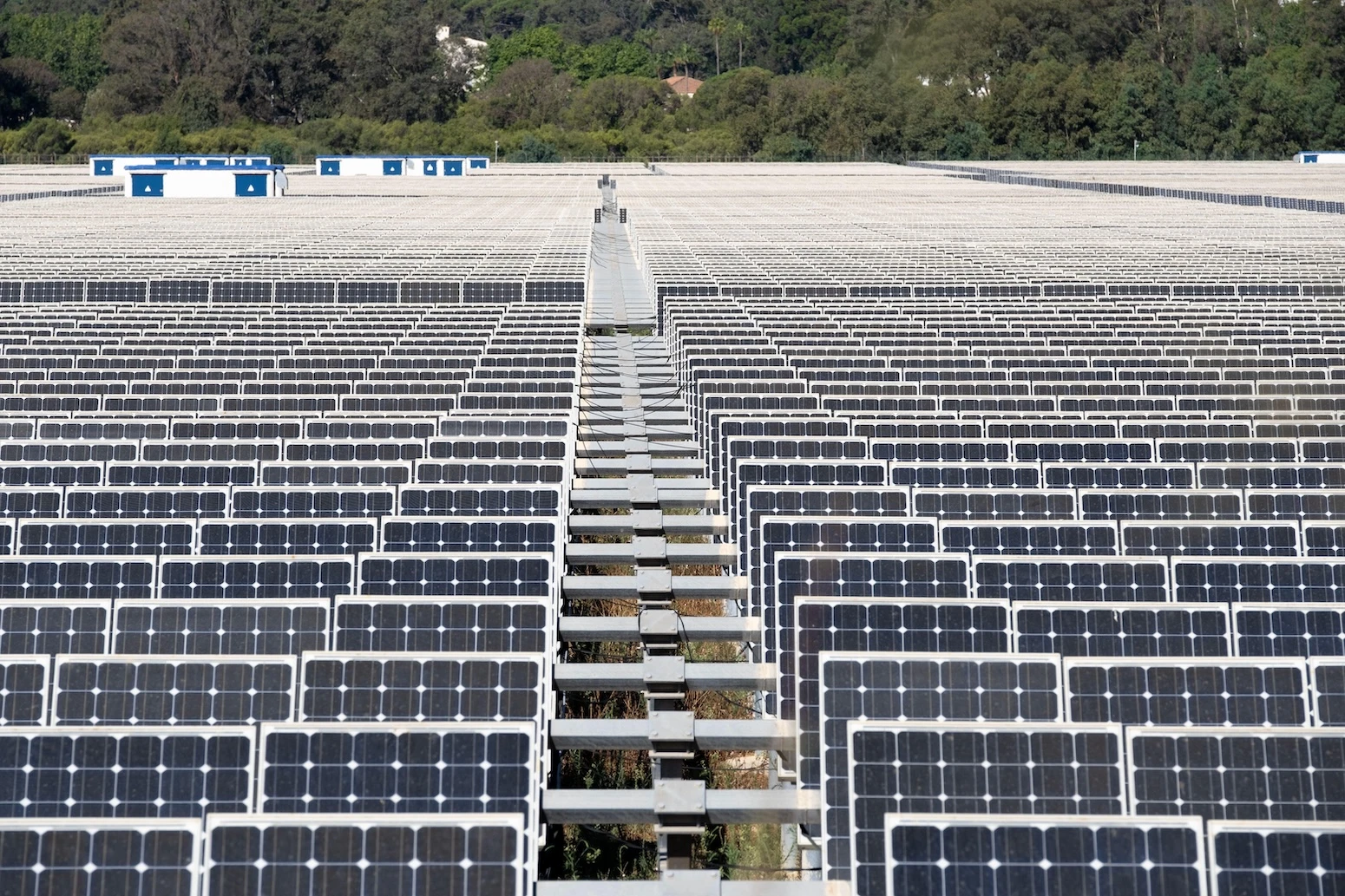
The energy landscape is undergoing a profound transformation, and a significant new player has emerged on the global stage: continuous solar power. For years, solar’s Achilles’ heel was its intermittency, generating electricity only when the sun shone. This limitation necessitated backup from traditional sources, often fossil fuels. However, recent breakthroughs in battery energy storage have fundamentally altered this dynamic. We are no longer talking about daytime solar; we are discussing the economic reality of 24/7, year-round solar generation, achieving near-continuous output at costs that are now competitive, or even superior, to conventional baseload power like coal or nuclear. This evolution carries substantial implications for the oil and gas sector, challenging long-held assumptions about future energy demand and grid stability.
The Dawn of Economically Viable Continuous Solar
The advent of solar power coupled with efficient battery storage marks a pivotal shift. Our latest analysis reveals that in sun-drenched urban centers such as Las Vegas or Mexico City, solar-plus-storage systems can now deliver over 90% of the way to continuous generation. Crucially, this is achieved at costs below those of new coal or nuclear power plants. Even in regions with less consistent sunlight, like Birmingham in the UK, these integrated systems can supply the majority of annual electricity demand. This demonstrates a global applicability that extends beyond just the sunniest locales. This transformation is rooted in a simple yet powerful synergy: solar panels generate power during peak sunlight hours, while advanced batteries store surplus energy for deployment around the clock. This means a 100-watt solar capacity, traditionally yielding an average of 20 watts, can now effectively provide power up to 100% of the time when paired with sufficient storage. Furthermore, this integrated approach allows for up to five times as much solar generation to be delivered through existing grid connections, significantly reducing the need for costly infrastructure upgrades that have historically hampered renewable expansion.
Battery Technology: The Catalyst for Disruption
The economic viability of 24/7 solar is inextricably linked to the rapid advancements in battery technology. This year alone, global average battery prices have plummeted by an impressive 40%, driving the cost of a full battery system to a record-low of $165 per kilowatt hour. Beyond mere cost reduction, innovation has also dramatically improved performance and sustainability. The vast majority of grid batteries are now engineered to be cobalt- and nickel-free, lessening reliance on critical minerals and addressing supply chain concerns. Durability has surged, with some batteries now boasting 20-year warranties, signaling a significant leap in longevity. Safety has also seen remarkable improvements, with fire risk reduced a hundred-fold since 2019. Enhancements in container design have further streamlined installation and cut maintenance costs. The supply chain is robust, with manufacturing capacity already outstripping demand, and new production facilities rapidly coming online outside of China. Looking ahead, the next frontier, sodium-ion “salt” batteries, promises to further depress prices by eliminating the need for lithium entirely, with a major plant already commissioned in China. These relentless innovations underscore a technological trajectory that continues to enhance the competitiveness of continuous solar power.
Oil & Gas Market Repercussions and Investor Focus
The rise of economically viable 24/7 solar power introduces a formidable long-term competitor to traditional oil and gas in the power generation sector, necessitating a strategic re-evaluation for investors. As of today, the crude market reflects a nuanced picture; Brent Crude trades at $95.01, showing a modest daily increase of 0.23% within a range of $91 to $96.89. WTI Crude mirrors this sentiment at $91.56, up 0.31%. Gasoline prices stand at $2.99, demonstrating continued robust demand from consumers. However, these current price points, while strong, follow a notable trend: Brent crude has seen an 8.8% decline over the past 14 days, falling from $102.22 on March 25th to $93.22 on April 14th. This recent volatility, coupled with the long-term threat from renewables, is clearly resonating with our readers. We see intense interest in topics such as building a base-case Brent price forecast for the next quarter and the consensus 2026 Brent forecast. Investors are acutely aware that while current demand drivers, like the operational status of Chinese teapot refineries, remain critical for short-term pricing, the accelerating energy transition will increasingly factor into future demand curves. The economic viability of continuous solar in key growth regions could effectively cap long-term demand for natural gas in power generation, thereby influencing the very forecasts our investors are seeking to build. Companies that fail to adapt their portfolios to account for this shift risk significant stranded asset exposure.
Strategic Outlook: Navigating the Energy Transition
For oil and gas companies, the emergence of 24/7 solar as an economic and technological reality demands proactive strategic adjustments rather than reactive measures. The upcoming energy calendar highlights critical junctures for the industry. The OPEC+ Joint Ministerial Monitoring Committee (JMMC) meeting on April 18th and the full Ministerial meeting on April 20th will set the tone for global crude supply. While these discussions traditionally center on immediate market balances, the long-term erosion of demand from the power sector, driven by continuous solar, could influence future production strategies and investment decisions by the cartel. Similarly, the weekly API and EIA crude inventory reports, scheduled for April 21st, 22nd, 28th, and 29th, will provide crucial insights into short-term supply and demand dynamics. Any persistent inventory builds could be exacerbated in a future where power grids increasingly rely on solar-plus-storage, particularly in rapidly industrializing nations. Furthermore, the Baker Hughes Rig Count reports on April 17th and 24th offer a glimpse into current drilling activity. As the energy transition accelerates, capital allocation towards exploration and production will require greater scrutiny, potentially favoring projects with lower carbon intensity or those focused on chemical feedstocks rather than power generation. Oil and gas firms must consider diversification into renewable infrastructure, invest in carbon capture technologies for existing assets, or pivot towards blue and green hydrogen production to maintain relevance and competitive advantage in a world where continuous solar power is no longer a distant aspiration but an immediate economic reality.