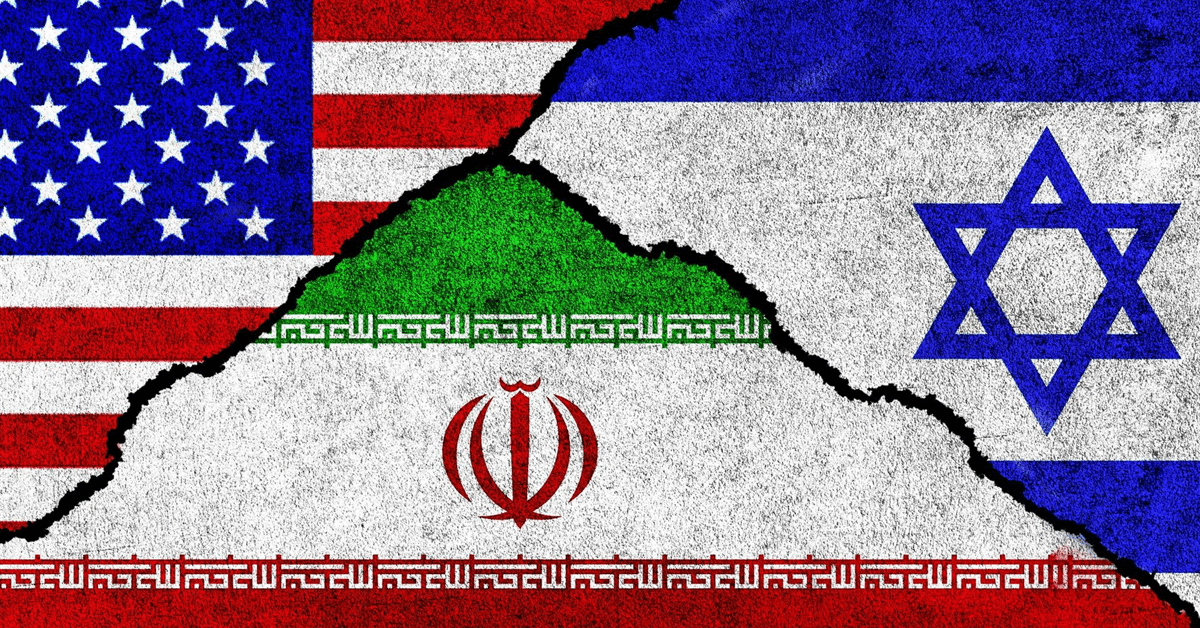
The geopolitical landscape across the Middle East is once again commanding the attention of energy investors as tensions between the United States, Israel, and Iran escalate. The rhetoric from Washington and intensified military actions from Jerusalem are signaling a potential shift towards a more direct confrontation, rather than a de-escalation. For oil and gas markets, this dynamic introduces a significant layer of uncertainty, directly impacting supply expectations, risk premiums, and investor sentiment. Understanding the nuances of these developments, from diplomatic pronouncements to military deployments, is critical for navigating the volatile energy markets.
Oil Markets Grapple with Conflicting Signals Amid Escalation
Despite the palpable increase in geopolitical risk, the immediate reaction in crude markets today presents a complex picture. As of today, Brent crude trades at $90.38, marking a significant 9.07% decline, having navigated a volatile day range between $86.08 and $98.97. Similarly, WTI crude has seen a sharp retreat, sitting at $82.59, down 9.41% from its daily high, with its range spanning $78.97 to $90.34. Gasoline prices have also followed suit, dropping to $2.93, a 5.18% decrease.
This daily downturn comes even as Israel prepares to intensify strikes on Tehran, and the USS Nimitz aircraft carrier strike group makes an early transit to the Middle East. While global markets reportedly “calmed” in the initial days following the commencement of hostilities, today’s sharp percentage declines suggest a reassessment of the risk profile. Looking at the broader trend, Brent crude has actually trended downwards over the past 14 days, from $112.78 on March 30th to $91.87 on April 17th, representing an 18.5% drop. This suggests that while geopolitical events inject significant intraday volatility and a persistent risk premium, broader supply and demand fundamentals, or perhaps a market belief that direct, widespread supply disruption is not yet imminent, are tempering an explosive upward price reaction. The current retreat could also reflect profit-taking or concerns that a protracted, lower-intensity conflict might eventually dampen global demand, outweighing immediate supply fears.
Upcoming Events: OPEC+ and Inventory Data in Focus
The escalating US-Iran tensions cast a long shadow over critical upcoming energy events, particularly the series of OPEC+ meetings. Investors are keenly anticipating the Joint Ministerial Monitoring Committee (JMMC) meeting on April 18th and the full Ministerial Meeting on April 19th. Against the backdrop of increased geopolitical instability, OPEC+ decisions on production quotas will be scrutinized for their potential to either stabilize or further disrupt crude markets. Our internal data indicates that “What are OPEC+ current production quotas?” is a frequently asked question among our readers, highlighting the market’s focus on supply management.
Should the conflict escalate further, impacting shipping lanes or production infrastructure in the Gulf, OPEC+ might face pressure to either increase output to calm markets or maintain cuts to support prices if demand fears intensify due to global economic uncertainty. Beyond OPEC+, the market will closely monitor the API Weekly Crude Inventory report on April 21st and 28th, followed by the EIA Weekly Petroleum Status Report on April 22nd and 29th. These inventory data points, alongside the Baker Hughes Rig Count on April 24th and May 1st, will provide crucial insights into the physical supply-demand balance and the health of the North American production landscape amidst the broader geopolitical turmoil.
Addressing Investor Concerns: Long-Term Price Outlook and Geopolitical Risk
A recurring question from investors, as evidenced by our reader intent data, is “What do you predict the price of oil per barrel will be by end of 2026?” In the current volatile environment, making precise long-term predictions is challenging. The US-Iran dynamic significantly complicates any forecast, injecting a substantial geopolitical risk premium into oil prices. President Trump’s firm stance on desiring a “real end” to Iran’s nuclear path, rather than a temporary ceasefire, signals a protracted and potentially confrontational approach from Washington. This sentiment, coupled with his declaration of being “not too much in the mood to negotiate,” suggests that a swift diplomatic resolution is unlikely.
Israel’s commitment to intensifying strikes, including “very significant targets in Tehran” and “deepening” attacks on nuclear facilities like Natanz (where satellite imagery suggests damage), transforms the risk from theoretical to tangible. While the International Atomic Energy Agency has yet to detect damage at Fordow, the focus on nuclear sites raises the stakes considerably. Investors are pricing in the possibility of an expanded conflict, which could impact oil production, transit routes like the Strait of Hormuz, or regional stability, all of which directly influence the long-term supply outlook and, consequently, crude prices. The early deployment of the USS Nimitz to the region further underscores the potential for US military involvement, adding another layer to the risk calculation for the remainder of 2026 and beyond.
The Path Forward: Conflict, Diplomacy, and Oil Supply
The current situation presents a delicate balance between escalating military pressure and the ever-present possibility of renewed, albeit difficult, talks. The five days of missile salvos and counter-strikes between Israel and Iran highlight the dangerous trajectory. President Trump’s ambiguous statements about sending a high-level official for talks, while simultaneously expressing a reluctance to negotiate, reflect the complex strategy at play: apply maximum pressure while keeping a narrow door open for a deal on his terms.
For the oil market, this means continued volatility and elevated risk premiums. A full-scale military conflict could severely disrupt global oil supplies, potentially sending prices soaring well above recent highs. Conversely, a sustained period of heightened tension without direct attacks on critical energy infrastructure, or a return to arduous negotiations that eventually de-escalate the situation, could see prices moderate as the immediate threat recedes. However, the damage reported at Iran’s Natanz facility adds a new dimension, suggesting the conflict is targeting critical national assets, raising the stakes for retaliation. Investors should remain highly attuned to developments on the ground, diplomatic overtures, and the responses from key energy-producing nations, as these will dictate the trajectory of oil and gas markets in the coming months.