Xiaomi’s Solid-State Battery Breakthrough: A Looming Threat to Long-Term Oil Demand
The global energy landscape continues its rapid evolution, and a recent development from Chinese tech giant Xiaomi has sent a clear signal to the oil and gas sector: the march towards advanced electric vehicle (EV) technology is accelerating, posing a formidable long-term challenge to petroleum demand. Xiaomi, best known for its consumer electronics, is now making significant strides in solid-state battery development for its burgeoning electric vehicle division, unveiling a patent that could dramatically reshape the automotive industry’s electrification timeline and, consequently, global oil consumption forecasts.
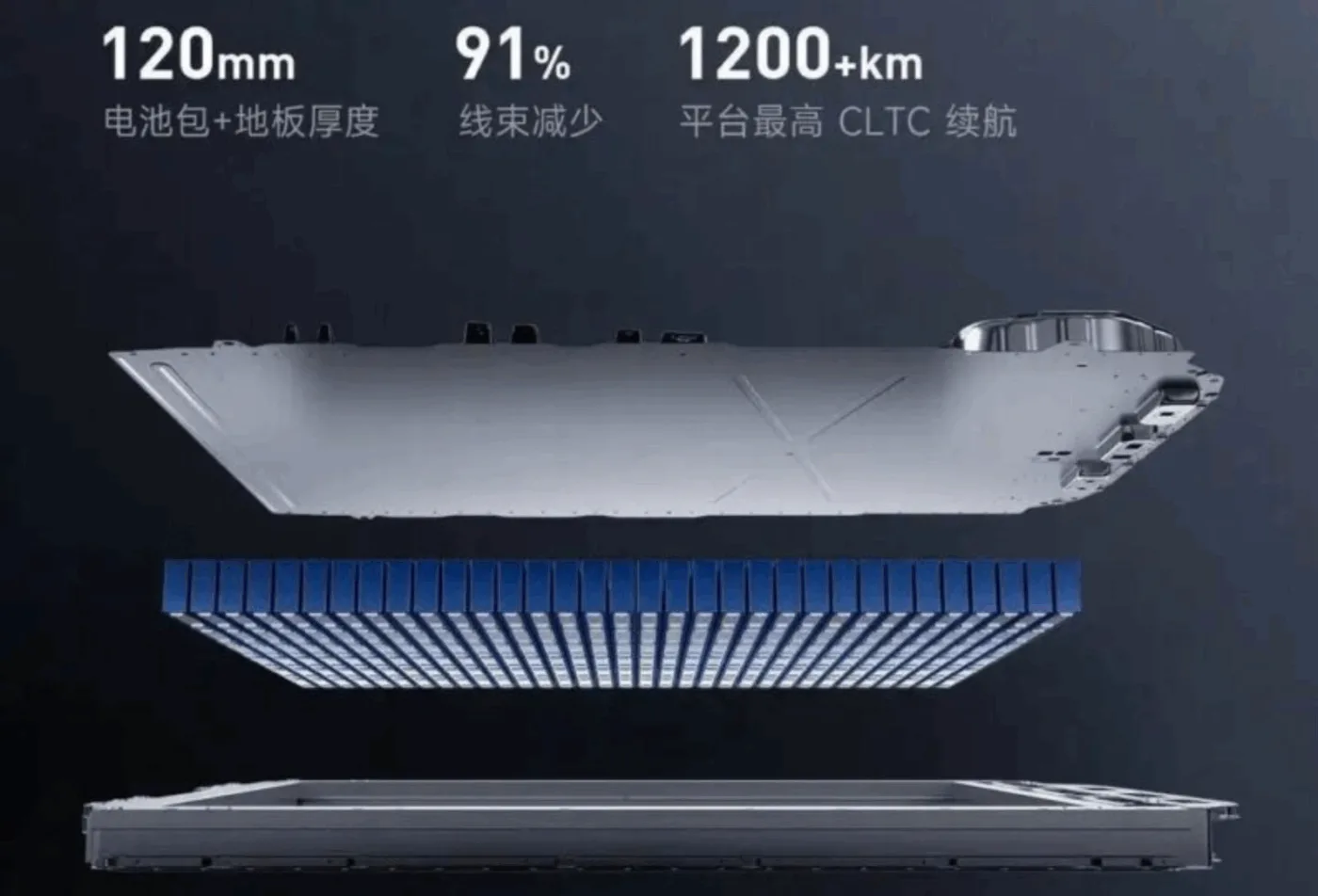
This innovative patent describes a solid-state battery design that promises a remarkable driving range exceeding 1,200 kilometers under Chinese testing standards. More critically for widespread adoption, it boasts an ultra-fast charging capability, allowing an EV to regain 800 kilometers of range in a mere 10 minutes. For oil and gas investors, these figures are not just technical specifications; they represent a direct assault on two of the primary barriers hindering mass EV adoption: range anxiety and charging convenience. Overcoming these hurdles could significantly accelerate the displacement of internal combustion engine vehicles, impacting gasoline demand sooner and more profoundly than many current models predict.
Deconstructing Xiaomi’s Solid-State Innovation
Xiaomi’s entry into solid-state battery technology is underpinned by a sophisticated design that targets improved ion conductivity and energy density. The core of their patent details a layered electrode structure, a critical advancement for solid-state cells. This architecture integrates a current collector with multiple electrode layers, each composed of active materials, binders, conductive agents, and a solid electrolyte formulation that combines polymers with metal salts. This meticulous engineering directly addresses ion transport challenges within thicker electrodes, a notorious bottleneck for fast-charging applications in solid-state battery development.
Unlike conventional lithium-ion batteries that rely on a liquid electrolyte, solid-state batteries utilize solid materials. This fundamental shift offers inherent advantages: superior energy density, enhanced safety due to the absence of flammable liquid components, and improved thermal stability. Xiaomi’s specific innovation appears to have cracked a crucial code in optimizing performance while maintaining these benefits. Furthermore, the company states its prototype supports a cell-to-body (CTB) design, achieving an impressive volume efficiency of 77.8 percent. The entire battery pack, including the vehicle floor, is only 120 mm high, promising better space utilization within the vehicle chassis and optimized weight distribution – factors that further enhance vehicle performance and consumer appeal.
Critically for investors monitoring manufacturing scalability, Xiaomi suggests that its solid-state battery technology is designed to be compatible with existing lithium-ion battery production lines. This compatibility implies a smoother transition to mass production, potentially accelerating the commercial deployment of these advanced power units. The ability to leverage existing infrastructure mitigates the often-prohibitive capital expenditure associated with entirely new manufacturing processes, paving the way for quicker market penetration.
The Industry-Wide Push Towards Solid-State
Xiaomi is far from alone in recognizing the transformative potential of solid-state batteries. A concerted industry-wide effort, particularly within China, is underway to bring this technology to fruition. In January 2024, the Chinese government launched the China All-Solid-State Battery Collaborative Innovation Platform (CASIP), a formidable alliance uniting major battery manufacturers such as CATL, CALB, EVE Energy, SVOLT, Gotion High-Tech, and BYD’s battery subsidiary FinDreams Battery. This consortium also includes prominent state-owned automotive manufacturers, alongside private sector giants like BYD and Nio. Such a unified national initiative underscores the strategic importance China places on leading this next generation of battery technology, signalling a potent competitive threat to traditional energy sources globally.
Beyond China, other global automotive and battery powerhouses are aggressively pursuing solid-state solutions. CATL and SAIC have publicly announced plans for small-scale production to commence in 2027. Toyota, a pioneer in hybrid technology, intends to launch its first models featuring solid-state batteries between 2027 and 2028. BMW has already initiated road testing with a prototype i7 equipped with solid-state technology, demonstrating tangible progress. Gotion joined the fray by beginning pilot production of a solid-state battery just last month. Even BYD’s Chief Technology Officer confirmed the company produced its first solid-state batteries last year, though full series production is not anticipated in the immediate future.
Implications for Oil and Gas Investors
While the widespread adoption of solid-state battery technology in electric vehicles is generally not expected before 2030, the growing momentum, highlighted by Xiaomi’s patent and the aggressive timelines from industry leaders, sends an unequivocal message to oil and gas investors. These advancements directly address the core limitations of current EV technology, making electric vehicles more attractive, practical, and accessible to a broader consumer base. A longer range, coupled with ultra-fast charging, dismantles the convenience advantage historically held by gasoline-powered cars.
For the petroleum market, this technological shift represents a significant long-term headwind. As solid-state EVs become more prevalent, the demand for gasoline will inevitably decline. Investors in upstream, midstream, and refining sectors must closely monitor these developments. While the immediate impact on crude oil prices may be limited, the cumulative effect over the next decade and beyond could be substantial. Companies heavily reliant on refined product demand, particularly gasoline, will face increasing pressure to adapt their portfolios and strategies.
Xiaomi’s patent, therefore, is not merely a technical footnote; it is a critical indicator of an accelerating energy transition within the transportation sector. It reinforces the growing narrative that the peak of global oil demand for road transport is drawing nearer. Oil and gas investors are advised to integrate these rapid technological advancements into their long-term investment theses, recognizing that the future of automotive power is rapidly solidifying, and it is increasingly electric.