French Fast Fashion Crackdown Signals Headwinds for Petrochemical Demand
The global energy sector, particularly segments reliant on petrochemicals, faces emerging challenges from an accelerating regulatory push towards sustainability. A recent unanimous vote by the French Senate on legislation targeting the environmental footprint of the fast fashion industry underscores this trend, sending ripples through markets that supply the raw materials for textile production. For oil and gas investors, this development is not merely an environmental policy shift but a critical indicator of potential demand erosion in key downstream sectors.
Legislative Tide Turns Against Textile Overconsumption
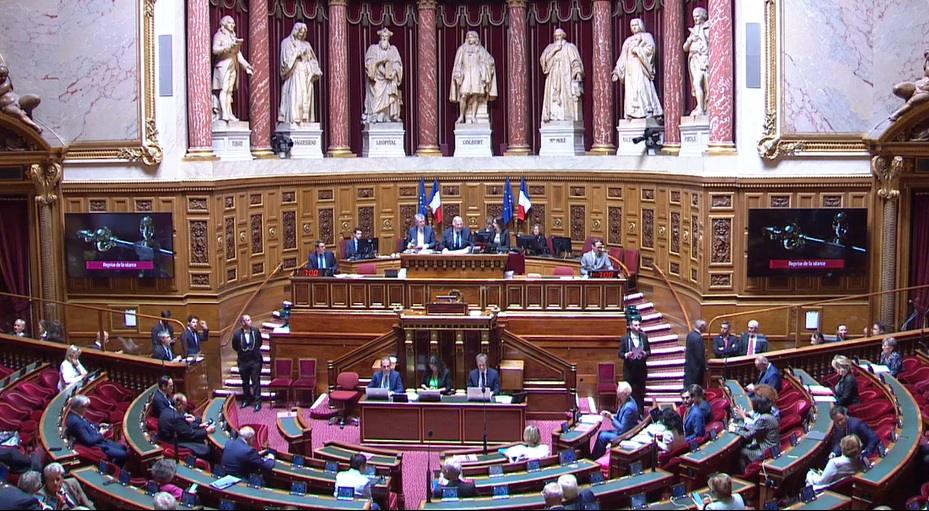
In a significant move, France’s upper legislative chamber recently gave its full backing to a groundbreaking bill designed to curb the environmental impact of the booming fast fashion sector. This unanimous approval by the Senate follows earlier adoption by the National Assembly last March, signaling strong cross-party consensus on the issue. The proposed law, spearheaded by MP Anne-Cécile Violland, is now slated for reconciliation between the two chambers via a joint committee, aiming to finalize a unified version.
The legislation introduces a suite of regulatory measures aimed squarely at discouraging the current cycle of overproduction and excessive consumption that defines the fast fashion model. Key provisions include new requirements for brands to provide consumers with clear information regarding the environmental impact of their clothing items. Furthermore, the bill proposes an outright ban on advertising for fast fashion brands and products, alongside the introduction of differentiated eco-contributions, where fees are scaled based on a product’s overall sustainability metrics. The Senate’s version has further strengthened these proposals by establishing more precise legal criteria for defining fast fashion and incorporating incentives to encourage clothing repair and longevity.
Defining the Environmental Cost of Rapid Fashion Cycles
The rationale behind this legislative action is stark: the global textile industry accounts for a staggering 10% of worldwide greenhouse gas emissions. To put this into perspective for investors, this figure surpasses the combined emissions from all international flights and maritime shipping. The sheer volume of production is equally concerning. Data highlights that over 100 billion clothing items are sold globally each year. In France alone, the number of clothing products sold annually has swelled by a billion over the past decade, now standing at 3.3 billion items, equating to more than 48 pieces of clothing per capita each year.
This relentless churn relies heavily on synthetic fibers derived from petrochemicals, making the industry a significant consumer of crude oil and natural gas derivatives. Polyester, nylon, and acrylic, all staples of affordable fast fashion, are petroleum-based products. Any substantial reduction in textile production or a shift towards more sustainable, non-petrochemical alternatives directly translates to diminished demand in the polymer and chemical markets, a critical revenue stream for integrated oil and gas companies.
Broader European Momentum Towards Sustainable Textiles
Investors should view France’s initiative not in isolation, but as a leading indicator within a wider European trend. Last year, the European Parliament enacted a series of proposals aimed at curbing waste across various sectors, with textiles being a primary focus. These proposals included mandating that fashion brands and textile producers bear the financial responsibility for the collection and recycling of their clothing and footwear products. Such Extended Producer Responsibility (EPR) schemes fundamentally alter the economic calculus for manufacturers, incentivizing durability, repairability, and recyclability over sheer volume and disposability.
The convergence of these regulatory efforts across Europe signals a systemic shift. As environmental, social, and governance (ESG) factors increasingly influence policy and consumer behavior, the traditional business models of industries with high environmental footprints are being challenged. For the oil and gas sector, this translates into a growing imperative to assess and adapt to evolving demand landscapes, particularly in areas historically reliant on linear “take-make-dispose” production cycles.
Petrochemicals in the Crosshairs: An Investor’s Perspective
The implications for petrochemical demand are clear and direct. A reduction in fast fashion production, driven by advertising bans, eco-contributions, and consumer information mandates, will inevitably dampen the need for virgin synthetic fibers. This directly impacts the demand for key petrochemical building blocks such as ethylene glycol (for polyester), caprolactam (for nylon), and acrylonitrile (for acrylic fibers). Integrated oil and gas companies with significant downstream chemical divisions could experience softening demand and pricing pressure for these commodities.
Furthermore, the push for clothing repair and extended product lifecycles directly counteracts the “disposable” nature of fast fashion, which fuels high turnover and continuous demand for new materials. If consumers buy fewer items and keep them longer, the overall volume of textile production declines, pulling down the demand for the petrochemical inputs at the supply chain’s foundation.
Navigating the Future: Investor Outlook and Strategic Adaptation
Oil and gas investors must closely monitor these legislative developments and their ripple effects across the value chain. While the immediate impact on global petrochemical demand might seem incremental, the trajectory is undeniable. The French law, coupled with broader EU initiatives, represents a significant step towards a circular economy in textiles, a paradigm shift that inherently reduces reliance on virgin fossil fuel-derived materials.
Companies within the oil and gas sector with substantial petrochemical footprints will need to strategically adapt. This may involve increasing investment in sustainable alternatives, exploring bio-based polymers, or diversifying their chemical portfolios away from traditional textile feedstocks. For savvy investors, understanding these regulatory currents is crucial for identifying both risks and opportunities in an energy landscape rapidly being reshaped by environmental imperatives and shifting consumer and governmental priorities. The era of unchecked growth in petrochemical-intensive sectors is giving way to a more constrained, sustainability-driven market, demanding proactive assessment and strategic foresight from all stakeholders.


