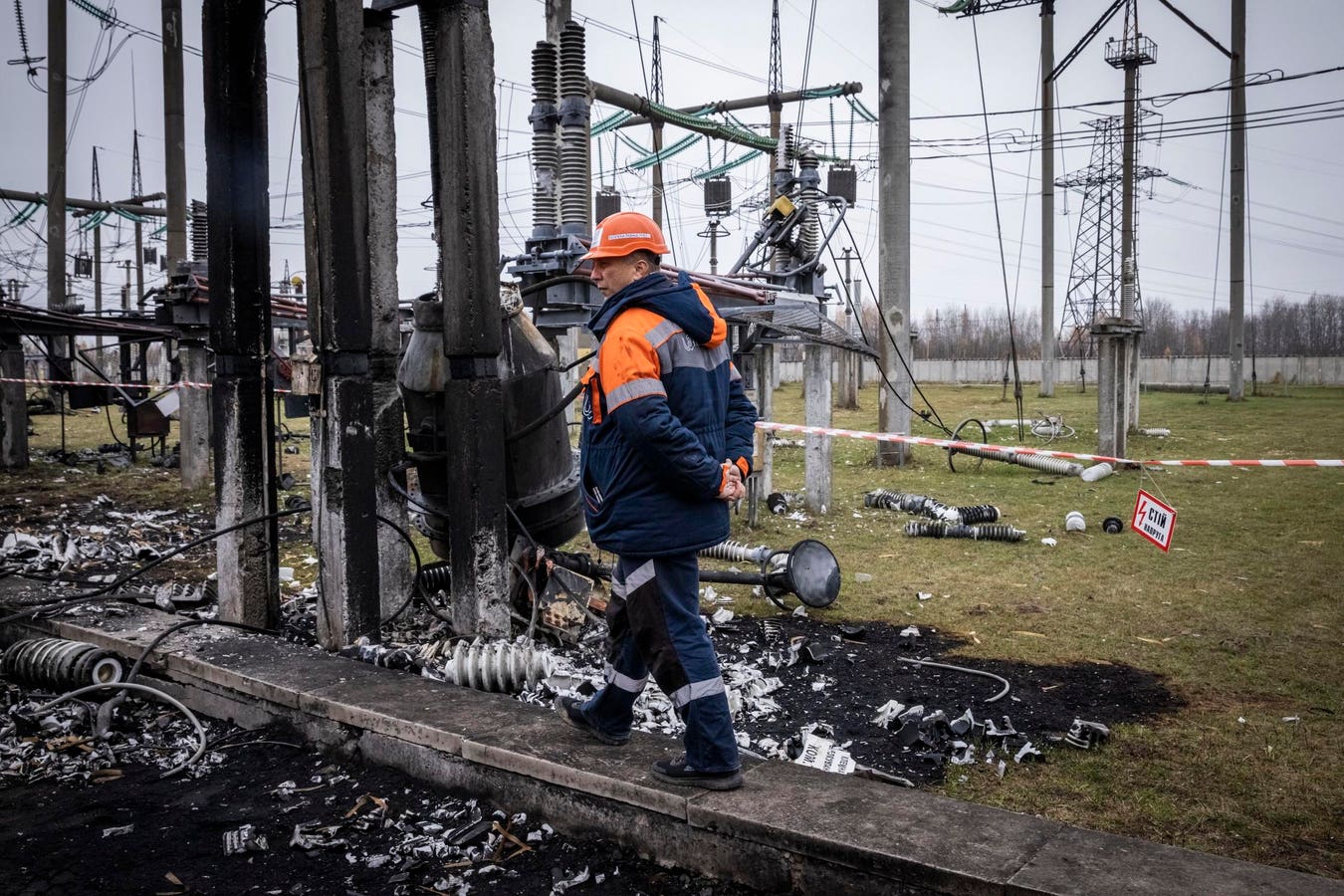
The conflict unfolding in Eastern Europe has redefined modern warfare, positioning energy infrastructure not merely as a casualty, but as a primary strategic objective. This isn’t a conventional struggle over hydrocarbon reserves or critical minerals; rather, it represents an unprecedented “energy war” where power plants, transmission networks, and crucial refining facilities become direct targets, fundamentally altering the risk profile for global oil and gas investors.
Geopolitical Tensions Reshape Global Energy Landscape
The brutal war between Russia and Ukraine has introduced a new dimension to geopolitical conflict, one deeply rooted in energy infrastructure. This strategic targeting of energy assets by both sides sets a dangerous precedent, demanding immediate attention from market analysts and investors. The implications for global oil supply, refined product availability, and energy market stability are profound, creating an environment of heightened volatility and unpredictable supply shocks.
Russia’s Infrastructure Assault: A Strategic Pivot
Russia’s initial military objectives, including the swift seizure of Kyiv and control over Ukraine’s government, ultimately faltered. This strategic setback prompted a significant shift in Kremlin tactics. The focus broadened to a comprehensive, three-pronged assault targeting civilian areas, military installations, and, crucially, Ukraine’s electrical grid. The emphasis on disabling the power infrastructure aimed to cripple the nation’s ability to sustain its defense and maintain societal function, particularly as winter approached. This campaign led to widespread electricity and heating outages across Ukraine, exacerbating humanitarian concerns and placing immense pressure on the nation’s resilience. For investors, this highlighted the vulnerability of energy grids in conflict zones and the potential for cascading failures impacting industrial output and economic stability.
Ukraine’s Refinery Strikes: A New Front in the Energy War
The dynamic of infrastructure targeting evolved significantly in 2024. Following the provision of long-range weaponry by Western governments, Ukraine initiated its own strategic counter-offensive, redirecting its focus towards critical energy sites within Russia. The primary targets: oil refineries and storage facilities. This pivot represented a calculated move to undermine Russia’s war economy by disrupting its ability to produce and stockpile high-value refined fuels such as gasoline, jet fuel, and diesel. These products generate significantly higher revenue per unit volume than crude oil, making them a vital cash flow source for the Kremlin’s military expenditures.
The effectiveness of these strikes has been undeniable. Several major Russian refineries, including the Ryazan facility near Moscow and the Volgograd complex situated near the northern Caspian Sea, sustained serious damage. Reports indicate that at least 15 other refining sites across Russia have been struck one or more times. The inherent vulnerability of these facilities, with their vast quantities of highly flammable liquids and gases, makes them particularly susceptible to damage and operational disruption. A joint investigation conducted over the past two years by Radio Free Europe/Radio Liberty and Frontelligence Insight has meticulously documented the escalating frequency and impact of these Ukrainian strikes, underscoring their growing importance in the conflict’s energy dimension.
Drone Technology Reshapes Operational Risk
The strategic landscape underwent a further transformation in 2025 with Ukraine’s advancement in indigenous drone technology. By developing its own sophisticated hardware and software, Ukraine gained operational autonomy, circumventing any need for external permissions regarding the deployment of these assets. This technological independence unlocked a new level of offensive capability, demonstrated powerfully by the June 1st attack, codenamed “Spider’s Web.” This coordinated operation involved dispatching dozens of drones to each designated bomber site, showcasing a sophisticated and scalable strike capacity.
The “Spider’s Web” attack served as a stark declaration: no target within Russia’s vast energy infrastructure can be considered truly immune. The potential for similar, or even more devastating, multi-drone assaults on key refineries presents a grave threat to Russia’s refining capacity and its ability to supply both domestic and export markets with essential fuels. For global energy markets, this technological escalation introduces an unprecedented level of uncertainty regarding refined product supply, with potential implications for international fuel prices and shipping logistics.
Investment Implications: Navigating Volatility and Supply Risk
The ongoing energy war carries significant implications for oil and gas investors. The strategic targeting of refining capacity directly impacts the availability of refined products on the global market. Any sustained disruption to Russian refineries, a major global supplier of diesel and other fuels, could trigger price spikes for gasoline, jet fuel, and diesel, pushing up operating costs across numerous industries and potentially fueling broader inflation.
Furthermore, the conflict continues to inject a substantial geopolitical risk premium into crude oil prices. Investors must factor in the potential for further escalation, supply chain disruptions, and the unpredictable nature of energy infrastructure attacks. The precedent set by this conflict suggests that future geopolitical confrontations may increasingly involve direct assaults on energy assets, making energy security and infrastructure resilience paramount investment considerations.
Companies with diversified refining assets and robust supply chains may prove more resilient. Conversely, those heavily reliant on single-point infrastructure or exposed to conflict zones face elevated operational and financial risks. As this energy dimension of the conflict evolves, a vigilant and adaptive investment strategy, focused on understanding geopolitical risk, refining capacity vulnerabilities, and the potential for technological disruption, will be crucial for navigating the inherent volatility in global oil and gas markets.