The EU’s Ambitious Nuclear Rebirth: $278 Billion Towards Energy Independence
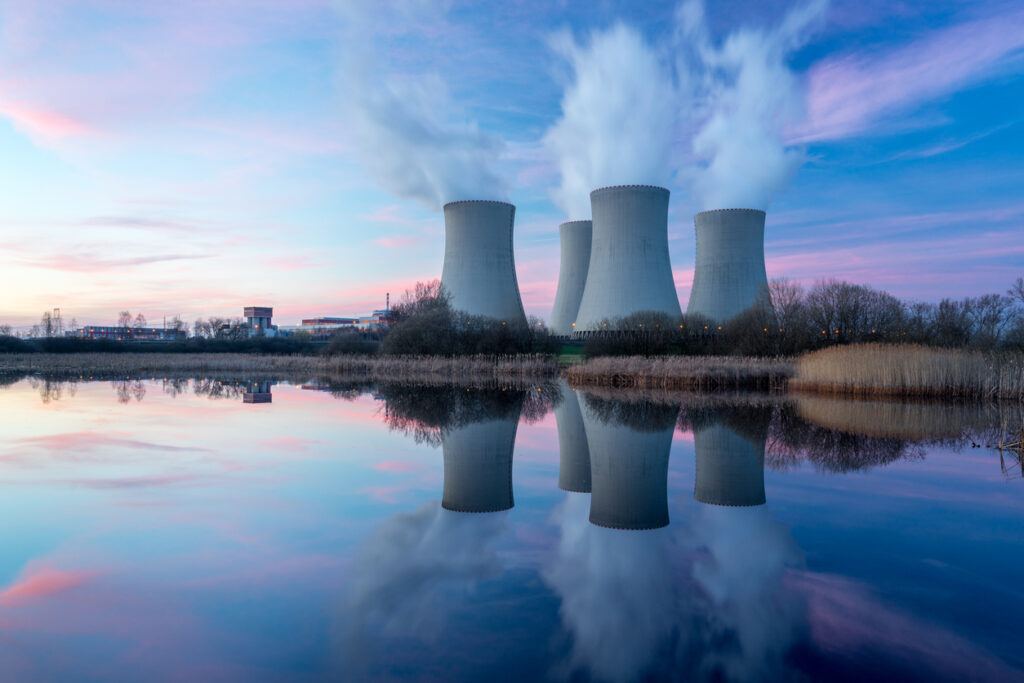
The European Union is embarking on a monumental energy transition, with the European Commission estimating a staggering $278 billion investment required to significantly boost its nuclear power capabilities. This financial commitment underscores a strategic pivot aimed at reducing reliance on fossil fuel imports, accelerating emissions reductions, and meeting ambitious net-zero targets. The plan involves allocating $237 billion towards the construction of new nuclear generation capacity and an additional $42 billion to extend the operational lifespans of existing reactors. This dual approach is designed to increase the EU’s total nuclear power capacity from the current 98 gigawatts (GW) to an impressive 109 GW by 2050, representing a substantial long-term shift in the bloc’s energy mix. This massive investment, comprising both public and private funds, signals a renewed confidence in nuclear energy as a cornerstone of future energy security and decarbonization efforts across the continent. Countries like Denmark and Italy, previously hesitant, are now actively exploring small modular reactors (SMRs) as a flexible complement to their renewable energy infrastructure, further illustrating the widespread adoption of this strategic change.
Germany’s Nuclear Détente: Reshaping EU Energy Consensus
A critical development underpinning the viability and speed of this EU-wide nuclear transition is Germany’s recent shift in its long-standing anti-nuclear stance. For years, Germany had been a vocal opponent of classifying nuclear power as a “green” energy source, creating significant friction within the EU, particularly with France, a staunch advocate for nuclear energy. However, under the leadership of Chancellor Friedrich Merz, Germany appears to be dropping this opposition. This policy realignment is not merely symbolic; it has profound implications for the coherence and effectiveness of EU energy policy. A unified front, with Germany no longer a dissenting voice, will undoubtedly streamline the adoption of new energy directives and facilitate the vast cross-border investments necessary for such a large-scale nuclear expansion. This newfound political consensus can unlock faster regulatory approvals and greater financial support, ultimately accelerating the deployment of nuclear projects across the bloc and paving the way for a more integrated and resilient European energy system.
Navigating Oil Market Crosscurrents: Demand Shifts and Investor Focus
While the EU’s nuclear ambitions chart a long-term course for energy independence, investors remain acutely focused on the immediate dynamics of the global oil market. As of today, Brent crude trades at $95.44 per barrel, reflecting a 0.69% increase over the session, within a daily range of $91 to $96.89. WTI follows closely at $91.63, up 0.38%. This marginal daily uptick comes against a backdrop of recent volatility, with Brent having declined nearly 8.8% over the past two weeks, falling from $102.22 on March 25th to $93.22 just yesterday. Our proprietary reader intent data highlights a persistent investor focus on the trajectory of crude prices, with frequent queries concerning a base-case Brent price forecast for the next quarter and the broader consensus 2026 outlook. While the EU’s nuclear pivot will primarily impact natural gas demand in the short-to-medium term, its long-term success in displacing fossil fuels represents a structural headwind for overall hydrocarbon demand growth. Investors are keen to understand how such large-scale energy transitions will eventually factor into global demand models, particularly as they seek to build robust price forecasts amidst ongoing geopolitical tensions and evolving supply-demand fundamentals.
Immediate Catalysts and the Forward Path for Crude
Despite the long-term strategic shift towards nuclear power in Europe, the oil market’s near-term volatility and price action will be shaped by a series of critical events over the next fortnight. For investors seeking to refine their short-term outlooks, these calendar events provide crucial data points. This Friday, April 17th, the latest Baker Hughes Rig Count will offer fresh insights into North American drilling activity and potential future supply dynamics. Crucially, the OPEC+ Joint Ministerial Monitoring Committee (JMMC) convenes on Saturday, April 18th, followed by the full Ministerial Meeting on Monday, April 20th. These high-stakes gatherings are pivotal for understanding the cartel’s collective supply policy and production quotas, which directly impact the short-term price floor for crude. In the middle of next week, we will closely monitor the API Weekly Crude Inventory report on Tuesday, April 21st, and the EIA Weekly Petroleum Status Report on Wednesday, April 22nd. These inventory figures, with subsequent reports on April 28th and 29th, provide immediate snapshots of supply-demand balances in the crucial US market. Investors must weigh these immediate, tangible market catalysts against the longer-term structural shifts like the EU’s nuclear pivot, understanding that while the energy transition unfolds, the daily and weekly price movements of crude are often dictated by these more immediate supply-side decisions and demand indicators.