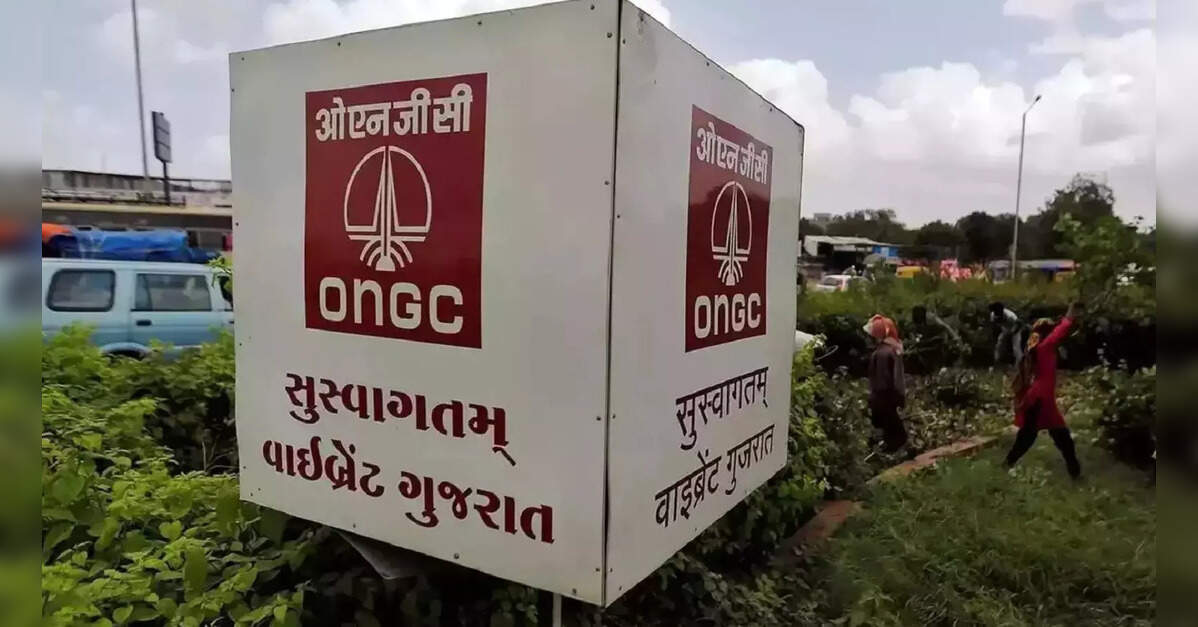
An uncontrolled gas release from a crude well operated by a major energy player in Assam, India, has captured attention this week, triggering localized safety concerns and reminding investors of the inherent operational risks in hydrocarbon exploration and production. While the incident, involving a servicing well and not yet resulting in fire or injuries, is a serious operational challenge for the company and surrounding communities, its immediate impact on global energy markets appears contained. For investors, the situation underscores the importance of assessing company-specific operational integrity while keeping a keen eye on the larger macro drivers that continue to dictate oil and gas price trajectories and sector sentiment.
Localized Incident, Broader Safety Implications
For the second consecutive day, gas has been flowing uncontrollably from an old crude well undergoing servicing operations in the Rudrasagar oil field. Officials confirm the well, identified as No RDS 147 of Rig No SKP 135, experienced a blowout during a perforation job aimed at transferring production to a new zone. The incident, while serious for personnel and nearby residents who have temporarily evacuated, has not yet escalated to a fire, and no injuries have been reported. The operating company has activated emergency protocols, deploying technical specialists, and asserts the situation is being brought under control. However, this event inevitably brings to mind the devastating 2020 Baghjan blowout, where a similar gas release persisted for 173 days, ultimately catching fire and claiming lives. While the current situation is distinct, it serves as a stark reminder of the critical importance of stringent safety protocols and robust emergency response capabilities across the energy sector, particularly when engaging in complex well servicing operations.
Market Resilience Amidst Operational Hiccups
Despite the unfolding situation in Assam, the broader oil markets have shown remarkable resilience, largely unaffected by this localized operational issue. As of today, Brent crude trades at $95.67 per barrel, posting a gain of 0.93% within a daily range of $91 to $96.89. Similarly, WTI crude stands at $92.33, up 1.15% for the day. This stability comes despite a recent softening trend in benchmarks, with Brent having dipped from $102.22 on March 25th to $93.22 just yesterday. The market’s muted reaction to the Assam incident highlights a crucial distinction: while blowouts are serious and costly for the involved entity, the global supply implications of a servicing well not currently in production are minimal. Investors understand that such incidents, while unfortunate, do not significantly alter the global supply-demand balance unless they impact major production hubs or lead to widespread operational shutdowns. Therefore, current price action remains primarily influenced by macro factors and geopolitical currents rather than isolated field events.
Investor Focus: Beyond the Blowout to Brent Forecasts
Our proprietary reader intent data reveals that investors are currently more preoccupied with fundamental market drivers, frequently asking about base-case Brent price forecasts for the next quarter and the consensus 2026 Brent outlook. This indicates a clear prioritization of macro trends over localized operational risks when it comes to portfolio positioning. While the Assam incident is certainly on the radar, especially for investors holding stock in the involved company, the broader market narrative is dominated by factors such as global demand growth, OPEC+ production policy, and US shale trajectory. The ongoing operational challenges faced by any major producer, while not directly impacting global supply from a non-producing well, do contribute to the overall risk assessment of investing in the energy sector. This includes evaluating a company’s safety record, environmental liabilities, and the potential for regulatory scrutiny following such events. The memory of the Baghjan disaster, with its prolonged impact and significant remediation costs, serves as a cautionary tale for how quickly operational issues can transform into substantial financial and reputational burdens.
Upcoming Catalysts to Drive Market Direction
Looking ahead, the market’s trajectory will be shaped less by localized operational hiccups and more by critical upcoming events that directly influence supply and demand fundamentals. Investors should be keenly watching the energy calendar over the next two weeks. The impending OPEC+ Joint Ministerial Monitoring Committee (JMMC) meeting on April 18th, followed by the Full Ministerial Meeting on April 20th, will be crucial. Any signals regarding production quotas or compliance with current cuts will significantly impact sentiment and price action. Alongside OPEC+’s strategic decisions, the regular rhythm of inventory data from the API (April 21st, April 28th) and the EIA (April 22nd, April 29th) will provide fresh insights into US crude stockpiles and demand trends. Furthermore, the Baker Hughes Rig Count reports (April 17th, April 24th) will offer a real-time pulse on North American drilling activity, hinting at future supply growth. These scheduled events represent the true catalysts for market movement, dwarfing the influence of even a serious, but contained, operational incident like the one currently unfolding in Assam.


