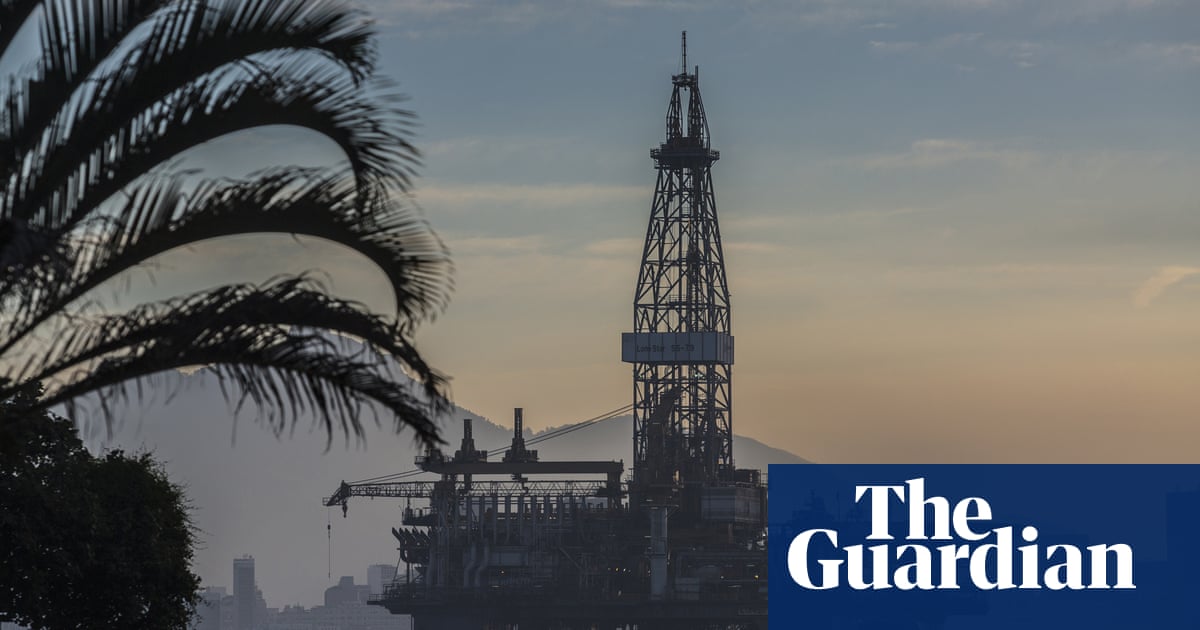
Brazil stands on the precipice of a significant expansion in its hydrocarbon sector, as the government prepares to launch a major oil exploration auction. This pivotal event is scheduled just months before the nation is set to host the Cop30 UN climate summit, creating a stark juxtaposition between energy ambitions and global environmental commitments. For savvy investors tracking upstream opportunities, this bidding round presents both considerable potential and substantial geopolitical and environmental risks.
Brazil’s Ambitious Oil & Gas Frontier Unveiled
The Brazilian oil sector regulator, ANP, is set to offer exploration rights for an impressive 172 oil and gas blocks. This vast portfolio encompasses an area of 56,000 square miles (approximately 146,000 square kilometers), a territory more than double the size of Scotland, with the majority of these tracts situated offshore. This extensive offering underscores Brazil’s strategic intent to significantly bolster its crude output.
A key component of President Luiz Inácio Lula da Silva’s economic agenda, this auction is designed to propel Brazil towards becoming the world’s fourth-largest oil producer. The administration contends that the substantial revenues generated from increased oil production are indispensable for fueling national economic development and, paradoxically, for funding the nation’s broader energy transition initiatives. This dual narrative of hydrocarbon expansion supporting green energy development is a recurring theme in emerging market energy policies.
Navigating the Environmental Headwinds and Investor Scrutiny
Despite the government’s economic imperatives, the upcoming auction faces formidable opposition from a diverse coalition of stakeholders. Environmental organizations, Indigenous communities, federal prosecutors, and even domestic oil workers’ unions are advocating for the cancellation of the bidding round. Their collective concerns highlight critical issues: inadequate environmental assessment studies, potential violations of Indigenous rights, and the perceived incompatibility of expanded oil production with Brazil’s pledges to combat climate change.
The International Energy Agency (IEA) has explicitly stated that the development of new oil and gas fields runs contrary to global endeavors aimed at achieving net-zero emissions by 2050. This global perspective adds a layer of international scrutiny to Brazil’s domestic energy strategy. Local analysis further amplifies these environmental worries. Instituto ClimaInfo, a Brazilian climate think tank, has projected that the full production and subsequent combustion of oil and gas from all 172 blocks could release more than 11 billion tonnes of CO2 equivalent into the atmosphere. To put this into perspective, such emissions would be comparable to over six years of output from Brazil’s highly polluting agribusiness sector, or a staggering 5% of the total carbon budget humanity can still afford to emit to keep global warming within the critical 1.5°C limit.
The High-Stakes Amazon Basin Blocks
A particularly contentious element of the auction involves 47 blocks situated within the sensitive Amazon basin, specifically near the mouth of the iconic Amazon River. This region is eyed by fossil fuel companies as a promising new oil frontier, yet it is also a biodiversity hotspot and home to numerous Indigenous communities. Environmental groups have dubbed this component the “doomsday auction” due to its proximity to such a vital ecological zone. The potential climate impact from these Amazonian tracts alone is estimated at 4.7 billion tonnes of CO2 equivalent, representing a significant portion of the total projected emissions from the entire auction.
Nicole Figueiredo de Oliveira, executive director of Instituto Internacional Arayara, a civil society organization, has voiced grave concerns, stating that this auction “is posing really serious and grave threats for biodiversity, communities and climate.” Arayara has taken concrete action, filing five lawsuits against the upcoming auction. Their legal challenges cite that many of the environmental assessment studies for the proposed exploration blocks are either outdated or nearing expiration. Furthermore, some blocks reportedly overlap with Indigenous territories or designated conservation areas, including vital marine reserves surrounding the pristine island paradise of Fernando de Noronha. Arayara also criticizes the ANP for allegedly failing to transparently evaluate the true scope of greenhouse gas emissions that would result from both the exploration and potential future production activities in these regions.
The Amazon basin has long been at the epicenter of Brazil’s oil exploration debate. The state-controlled energy giant, Petrobras, has dedicated years to securing an environmental license to drill in this ecologically sensitive area. President Lula himself has exerted pressure on Ibama, Brazil’s environmental watchdog, to grant the necessary permits, underscoring the high political stakes associated with developing this frontier.
Investor Outlook: Weighing Opportunity Against ESG Risks
For global energy investors, Brazil’s upcoming auction presents a complex risk-reward profile. The sheer scale of the offering and the government’s clear ambition to become a top-tier oil producer signal significant potential for upstream growth and attractive returns. Offshore expertise and advanced drilling technologies will be critical for success in these new frontier areas, potentially drawing major international players.
However, the pronounced opposition and legal challenges introduce considerable ESG (Environmental, Social, and Governance) risks. Investors must conduct rigorous due diligence, scrutinizing the validity and currency of environmental impact assessments, potential land rights issues, and the broader social license to operate. The intersection of a major climate summit host nation pushing for oil expansion creates a potent narrative that could attract negative global attention and activist pressure. Furthermore, the long-term viability of projects with such high carbon footprints is increasingly questioned by institutional investors focused on climate transition risks and stranded assets.
Success in this bidding round and subsequent development will require not only technical prowess but also an exceptional ability to navigate a complex regulatory, social, and environmental landscape. The balancing act between Brazil’s economic aspirations and its climate commitments will be a defining factor for the future profitability and reputation of any company participating in this high-stakes venture.


