Trump Firefight Merger: A New Wildfire Risk for Oil & Gas Investors
In a market already grappling with significant price volatility, a recent directive to consolidate the US federal wildland firefighting force introduces an unexpected, yet critical, layer of operational risk for the oil and gas sector. As of today, Brent crude trades at $90.38, marking a 9.07% decline within the day’s range of $86.08 to $98.97, while WTI crude sits at $82.59, down 9.41%. This sharp downturn is a continuation of a broader trend, with Brent having shed $20.91, or 18.5%, over the past 14 days. Against this backdrop of market unease, a federal mandate to overhaul wildfire response during peak fire season deserves immediate attention from investors, as it threatens to exacerbate supply disruptions and operational costs in vulnerable regions.
Operational Exposure: Fire Season Amidst Reorganization Chaos
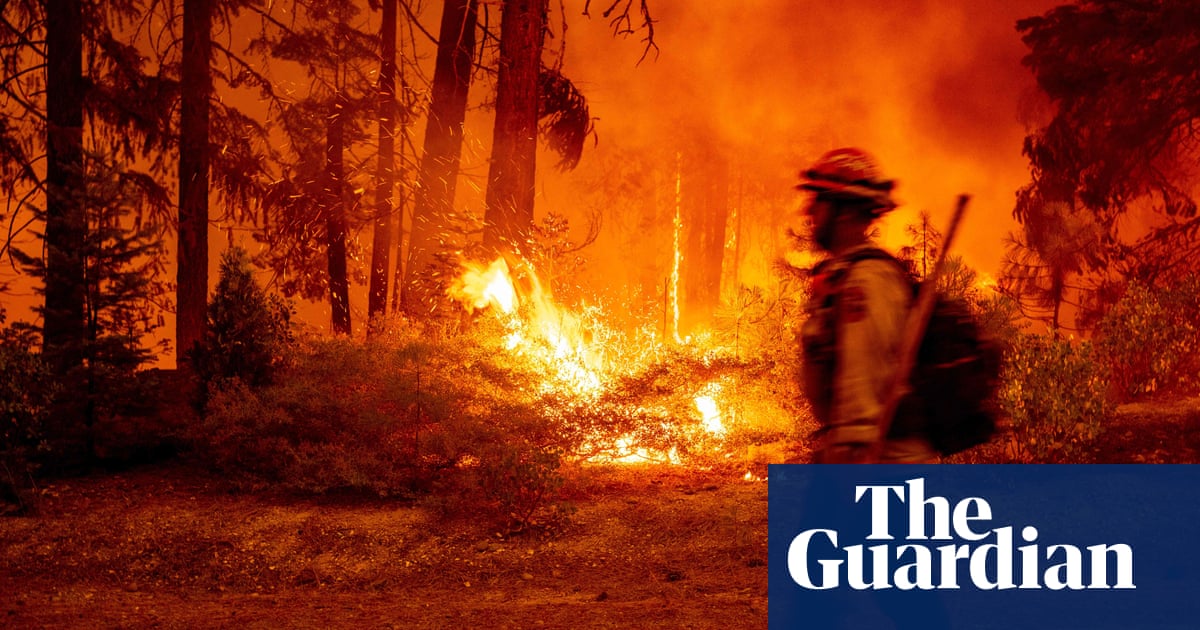
The proposed federal consolidation of wildland firefighting efforts, shifting thousands of personnel and resources across departments, carries substantial risks, particularly given its timing. With fire season already underway and a destructive season anticipated, experts warn that such a major restructuring could increase the likelihood of catastrophic blazes. For the oil and gas industry, this is not merely an environmental concern but a direct threat to critical infrastructure. Pipelines traversing vast wildlands, storage facilities in semi-arid regions, and even production sites in states like California, Texas, and across the Mountain West face elevated risks of damage, operational shutdowns, and supply chain disruptions. The Los Angeles wildfires cited in the executive order serve as a stark reminder of the proximity of these threats to densely populated areas and key industrial hubs. Investors must assess their portfolio’s geographical exposure to high-risk wildfire zones and the potential for increased insurance premiums or capital expenditures on mitigation efforts as federal response capabilities are tested by this unprecedented reorganization.
Market Volatility Meets Domestic Policy Uncertainty
The current market landscape is characterized by significant shifts, as evidenced by the dramatic 18.5% drop in Brent crude prices from $112.78 just two weeks ago to $91.87 yesterday. Investors are keenly focused on global supply-demand dynamics, with many asking about the trajectory of oil prices by the end of 2026. This week’s market calendar is packed with critical events that typically drive price action, including the OPEC+ Joint Ministerial Monitoring Committee (JMMC) meeting today, followed by the full Ministerial meeting tomorrow, April 19th. These will be closely watched for any adjustments to production quotas. Additionally, the API and EIA weekly inventory reports on April 21st and 22nd, respectively, will offer fresh insights into US supply levels. While these global and macro factors usually dominate investor sentiment, the domestic policy shift concerning wildfire response introduces an unpredictable element. Should the consolidation lead to increased wildfire severity or duration, particularly impacting a major producing or refining region, it could create localized supply shocks, complicating global price predictions and adding another layer of uncertainty to an already volatile market. This new domestic risk factor could directly impact regional gasoline prices, which have seen a 5.18% drop today to $2.93, if refinery operations are curtailed.
Beyond the Flames: Long-Term Climate Risk and Investor Resilience
While the executive order focuses on administrative consolidation, it notably omits any mention of climate change, a factor that continues to fuel larger and more destructive wildfires. This oversight, coupled with past actions like temporary cuts to wildfire prevention funding, signals a potential underestimation of the systemic risk posed by escalating blazes. For oil and gas investors, ignoring the underlying climate trends that intensify wildfires is a critical misstep. The increasing frequency and intensity of these events represent a persistent, long-term threat to asset integrity, operational continuity, and the broader energy supply chain. Companies with significant infrastructure in fire-prone regions face mounting pressure to enhance their climate resilience strategies, invest in fire-resistant materials, implement advanced monitoring systems, and develop robust emergency response protocols. This isn’t just about immediate damage; it’s about sustained operational risks that can lead to higher long-term costs and potential devaluations of assets. Investors are increasingly seeking clarity on how energy companies are preparing for these evolving environmental challenges, moving beyond short-term market reactions to assess fundamental, long-term operational resilience.
Strategic Implications for Portfolio Management
In light of this evolving risk profile, oil and gas investors need to re-evaluate their portfolios with a keen eye on wildfire exposure. Companies operating in regions historically prone to wildfires, or those with extensive pipeline networks traversing wildland-urban interfaces, warrant closer scrutiny. Key questions for due diligence include: What are the company’s specific wildfire mitigation strategies? How robust are their emergency response plans? What is their insurance coverage against such events? And how might potential regulatory changes or increased operational costs associated with fire prevention impact their future earnings? The current market environment, characterized by significant crude price declines and upcoming pivotal OPEC+ meetings, demands a holistic risk assessment. The domestic policy decision on wildfire management, while seemingly administrative, has the potential to introduce localized supply disruptions that could ripple through the broader market, challenging even the most sophisticated price predictions and demanding a renewed focus on asset-level risk management.


