India’s Ethanol GST Reform: A Game-Changer for Flex-Fuel Investment?
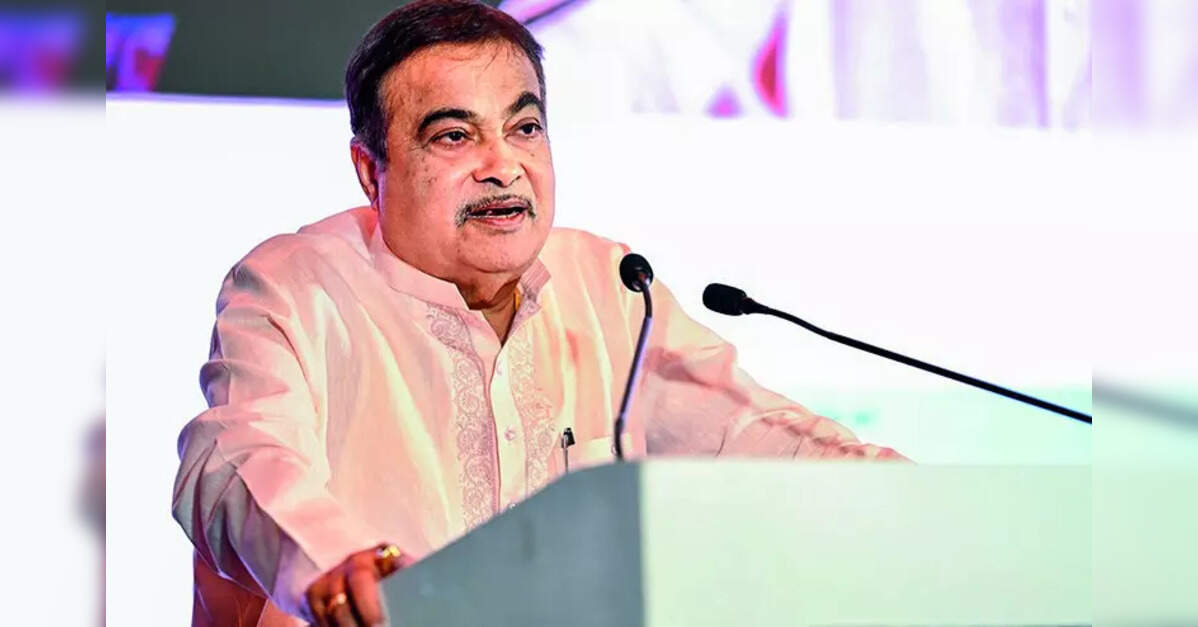
India’s ambitious drive towards energy independence and a greener transportation future is facing a critical juncture, with key government figures pushing for significant fiscal adjustments. Union Road Transport Minister Nitin Gadkari has put forward a compelling case for a drastic reduction in the Goods and Services Tax (GST) rate on crude ethanol, proposing a cut from the current 18 percent down to a mere 5 percent. This move, if implemented, could fundamentally reshape the economics of flex-fuel vehicles and open new investment avenues within the Indian energy sector.
The proposal arrives as the central government prepares for a comprehensive overhaul of the nation’s GST framework, a process closely watched by both domestic and international investors. Currently, ethanol designated for the Ethanol Blended Petrol (EBP) Programme already benefits from a concessional 5 percent GST rate. However, crude ethanol, the foundational feedstock for this burgeoning industry, remains burdened by the significantly higher 18 percent tax. This disparity, according to Minister Gadkari, creates a critical bottleneck, hindering consumer adoption of vehicles designed to run exclusively or predominantly on ethanol.
Addressing the Price Parity Challenge
The core of Gadkari’s argument centers on consumer economics. He highlighted a crucial point: “Why will people go for these vehicles if the price of crude ethanol is equal to or more than that of petrol?” This direct challenge underscores the current market reality. Despite the availability of 100 percent ethanol at over 400 fuel outlets nationwide, consumer enthusiasm remains subdued. The perception, and often the reality, of minimal cost savings at the pump deters potential buyers, keeping flex-fuel vehicle sales below their potential. By aligning the crude ethanol GST with the EBP ethanol rate, the government aims to make ethanol a demonstrably more cost-effective fuel alternative, thereby stimulating demand for both the fuel and compatible vehicles.
For investors eyeing India’s automotive and renewable energy sectors, this tax parity could unlock substantial growth. A lower effective price for ethanol would directly enhance the value proposition of flex-fuel cars, encouraging manufacturers to accelerate their production lines and consumers to make the switch. This in turn could boost ethanol production capacity, creating opportunities for agricultural enterprises, biorefineries, and logistics providers involved in the ethanol supply chain.
Context of a Broader GST Rationalization
Gadkari’s timely appeal coincides with a wider, high-stakes re-evaluation of India’s entire GST architecture. Finance Minister Nirmala Sitharaman, alongside a dedicated team of officials, is meticulously reviewing various rationalization proposals. These detailed consultations with states aim to streamline the GST regime, enhance revenue efficiency, and resolve classification ambiguities that have surfaced since its inception in 2017. The implications for businesses and consumers across all sectors are significant, making this an critical period for policy observation.
Previous attempts to reform the GST structure through dedicated Groups of Ministers (GoMs) have not yielded actionable consensus, underscoring the complexity and political sensitivities involved. A third GoM is currently scrutinizing issues related to cesses, particularly the compensation cess, which is slated to lapse in March of the coming year. These broader discussions provide the backdrop against which the specific ethanol GST proposal will be weighed, highlighting the intricate balance between fiscal policy, industrial promotion, and state revenues.
Navigating India’s Multi-Tiered Tax Structure
India’s current GST framework operates with four primary tax slabs: 5 percent, 12 percent, 18 percent, and 28 percent. While a significant portion of everyday items falls under the lowest 5 percent bracket, the majority of the government’s GST revenue is generated from the 18 percent slab. This fact presents a considerable challenge for any proposal seeking to reduce a tax rate within this high-revenue category.
Industry bodies have long advocated for a simplification of this multi-tiered structure, with a popular suggestion being the merger of the 12 percent and 18 percent slabs into a single, intermediate rate of 15–16 percent. While such a move promises greater ease of compliance and potential economic stimulus, it also carries the risk of revenue losses for both central and state governments, inevitably inviting political resistance. The ethanol GST reduction, therefore, must be considered within this broader, complex fiscal landscape, where every adjustment has potential ripple effects on government coffers and inter-state relations.
Strategic Imperatives: Energy Security and Decarbonization
The push to lower crude ethanol GST aligns perfectly with India’s overarching strategic objectives. Reducing the nation’s heavy reliance on imported crude oil is a top national priority, driven by both economic and geopolitical considerations. A thriving domestic ethanol industry contributes directly to energy security, hedging against global oil price volatility and strengthening the rupee by reducing import bills. Furthermore, increased ethanol usage supports India’s commitment to decarbonization and environmental sustainability, offering a pathway to cleaner air in urban centers.
For investors, this policy direction signals a long-term governmental commitment to alternative fuels. Companies involved in agricultural feedstock production, ethanol distillation, automotive manufacturing (especially those developing flex-fuel technologies), and even fuel retailing stand to benefit from a sustained policy push. While the ultimate inclusion of Gadkari’s suggestion in the final GST reforms remains uncertain, the strategic rationale behind it is undeniable and deeply embedded in India’s future energy blueprint.
Monitoring the outcome of these GST deliberations is crucial for any investor tracking India’s energy transition. A favorable decision on crude ethanol GST could rapidly accelerate the adoption of flex-fuel vehicles, creating significant growth opportunities across multiple sectors, and cementing India’s position as a leader in sustainable mobility and biofuel innovation.


