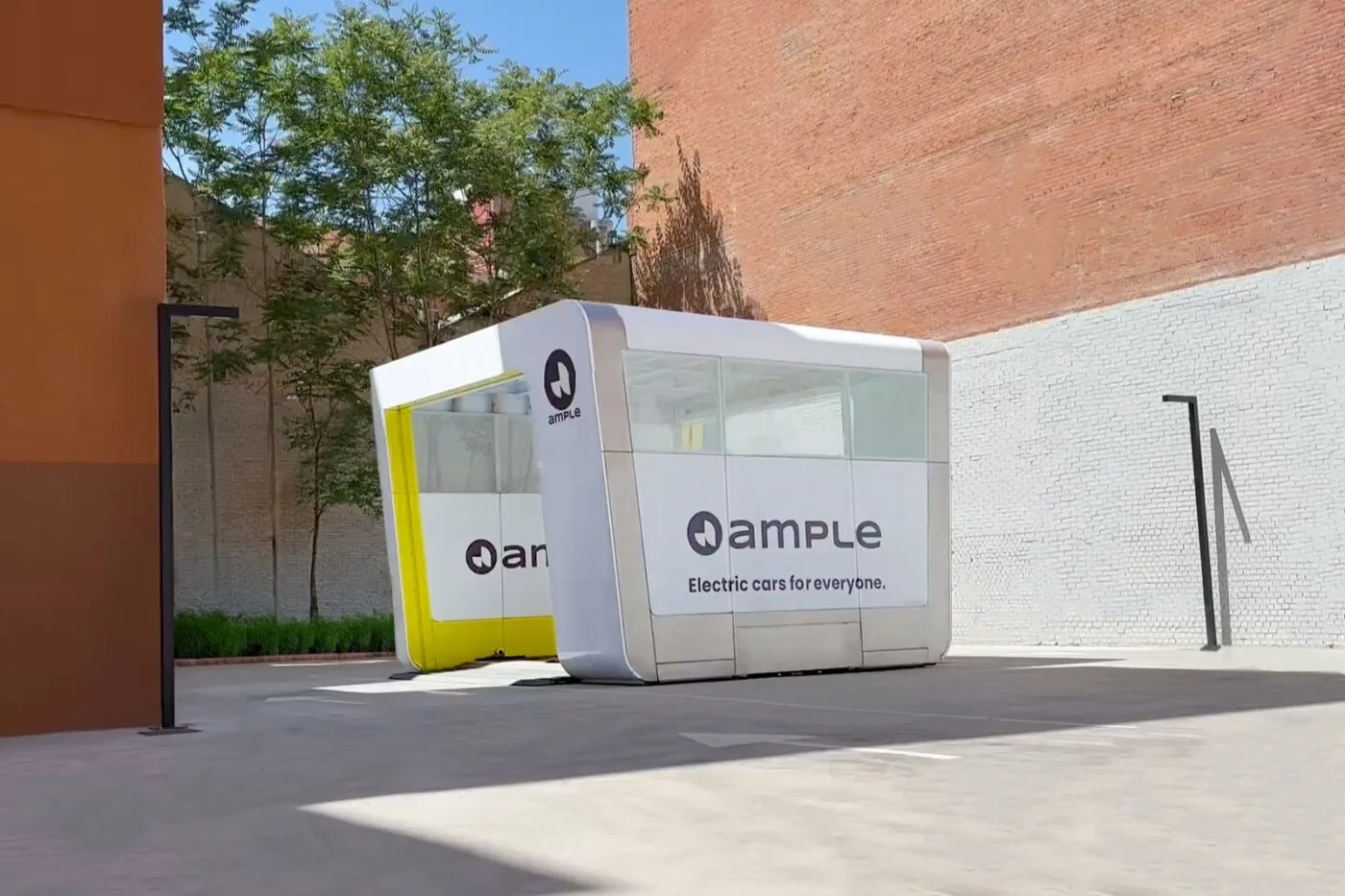
The energy transition is not a distant concept but an unfolding reality, characterized by innovative infrastructure deployments that directly challenge traditional fossil fuel demand. The recent launch of Ample’s modular battery swapping technology in Madrid serves as a potent case study, signaling a significant acceleration in electric vehicle (EV) adoption, particularly within high-utilization urban fleets. Backed by €9.76 million in funding from Spain’s IDAE through the Moves Singulares programme, this initiative underscores how targeted government support, combined with scalable technological solutions, is reshaping the urban mobility landscape and, by extension, the long-term outlook for oil demand. For oil and gas investors, understanding these micro-level shifts is crucial for navigating the macro-level energy paradigm shift.
Madrid’s EV Leap: A Blueprint for Urban Decarbonization
Ample’s deployment of modular battery swap stations in Madrid represents its inaugural European venture, with initial stations already operational and more planned across the city center. The core appeal of this technology lies in its speed and efficiency: a full battery swap takes approximately five minutes, effectively eliminating the lengthy charging times that have historically been a significant barrier to widespread EV adoption. Furthermore, the system is designed for rapid urban installation, capable of being deployed within three days, addressing critical infrastructure challenges in densely populated areas. This vehicle-agnostic, modular approach allows for broad integration, making it particularly attractive for commercial and ride-sharing fleets that demand maximum uptime and operational flexibility. Spain’s ambitious target of 5.5 million EVs on its roads by 2030, coupled with a goal to reduce urban emissions by 65%, highlights the strategic importance of such initiatives. Madrid, already a leader in national EV registrations, is actively pursuing infrastructure projects that align with these climate objectives, making it an ideal proving ground for Ample’s solution.
Navigating Volatility: Market Prices Amidst Structural Shifts
While the long-term trajectory points towards electrification, the crude oil market continues to exhibit its characteristic volatility, driven by a complex interplay of supply, demand, and geopolitical factors. As of today, Brent crude trades at $95.62, reflecting a modest gain of 0.88% within a daily range of $91 to $96.89. WTI crude similarly stands at $92.06, up 0.85%, fluctuating between $86.96 and $93.3. However, this short-term stability masks a recent downward trend; Brent has pulled back from $102.22 on March 25th to $93.22 as of April 14th, marking an almost 9% decline over the past 14 days. Gasoline prices, currently at $2.96, are also down slightly by 0.34% today, trading within a narrow range of $2.93 to $3.00. These price movements are front of mind for many investors, with frequent inquiries regarding base-case Brent price forecasts for the next quarter and consensus 2026 Brent outlooks. While supply-side dynamics, such as OPEC+ decisions, remain paramount in shaping near-term prices, the accelerating pace of EV infrastructure, epitomized by Ample’s Madrid expansion, introduces a persistent long-term headwind to demand growth. Investors must increasingly factor in these structural shifts when building their forward price models, acknowledging that each successful EV deployment, however localized, chips away at future petroleum consumption.
Strategic Partnerships Underpin Global Ambitions
Ample’s strategy extends beyond individual city deployments; it’s built on robust partnerships designed to scale its technology across diverse applications and geographies. In Madrid, this includes an expanded collaboration with Stellantis, supporting the launch of a carsharing service featuring swappable Fiat 500e vehicles. This partnership, initially announced in late 2023, integrates Stellantis’ Fiat brand with Free2move mobility services and Free2move Charge, leveraging Ample’s rapid swap stations to ensure high vehicle availability and uptime for shared fleets. This model directly addresses the operational challenges of carsharing by minimizing idle time for recharging. The company’s global reach is further demonstrated by its expansion into Tokyo, where it collaborates with Mitsubishi Fuso Truck and Bus Corporation and Mitsubishi Motors Corporation. There, the focus is squarely on the logistics and commercial sector, fitting swappable batteries to vehicles like the Mitsubishi Fuso eCanter light-duty truck. These multi-sector, multinational partnerships underline the versatility and scalability of Ample’s modular, vehicle-agnostic battery swapping system, positioning it as a significant enabler for EV adoption across various segments from passenger carsharing to heavy-duty urban logistics. For oil investors, this diversified approach signals a broad-based electrification threat to liquid fuel demand across multiple transportation categories.
Forward-Looking Analysis: Balancing Near-Term Supply with Long-Term Demand Erosion
The ongoing energy transition requires investors to constantly balance short-term market fundamentals with long-term structural shifts. In the immediate future, market attention will undoubtedly be focused on critical supply-side events. The upcoming OPEC+ Joint Ministerial Monitoring Committee (JMMC) meeting on April 18th, followed by the full Ministerial meeting on April 20th, will be pivotal in shaping crude supply strategies and, consequently, price stability for the coming months. Simultaneously, weekly data releases such as the API Crude Inventory reports (April 21st, April 28th) and the EIA Weekly Petroleum Status Reports (April 22nd, April 29th) will offer crucial insights into demand signals and inventory levels within key markets. These events will drive the immediate investment narrative for the oil and gas sector. However, the Madrid battery swap deployment, alongside similar initiatives globally, represents a tangible and accelerating force on the demand side. The growing efficiency and scalability of EV charging solutions directly erode future petroleum consumption, particularly for gasoline and diesel. While the Baker Hughes Rig Count reports (April 17th, April 24th) will indicate drilling activity and future supply potential, they operate within an increasingly constrained long-term demand environment. Investors must recognize that while traditional supply-demand dynamics continue to dictate near-term oil price movements, the cumulative effect of advancements in electric mobility and charging infrastructure, exemplified by Ample’s strategic rollouts, will exert continuous downward pressure on the demand growth trajectory for fossil fuels over the next decade. Strategic allocation in the energy sector must increasingly acknowledge this bifurcated reality.