Ineffective EU Fire Funds Raise Climate Policy Risk
The European Union’s ambitious climate agenda, often heralded as a blueprint for global decarbonization, faces significant questions regarding its practical execution and financial efficacy. A recent scathing assessment from the bloc’s spending watchdog reveals that substantial European funds dedicated to mitigating the escalating threat of forest fires have been poorly deployed, misdirected, and at times, hastily disbursed. This critical review not only spotlights the immediate danger of intensifying climate impacts across the continent but also casts a shadow over the broader effectiveness of multi-billion-euro environmental policies, a concern with direct implications for energy market stability and investor confidence in the green transition.
The Flawed Foundation of Green Spending
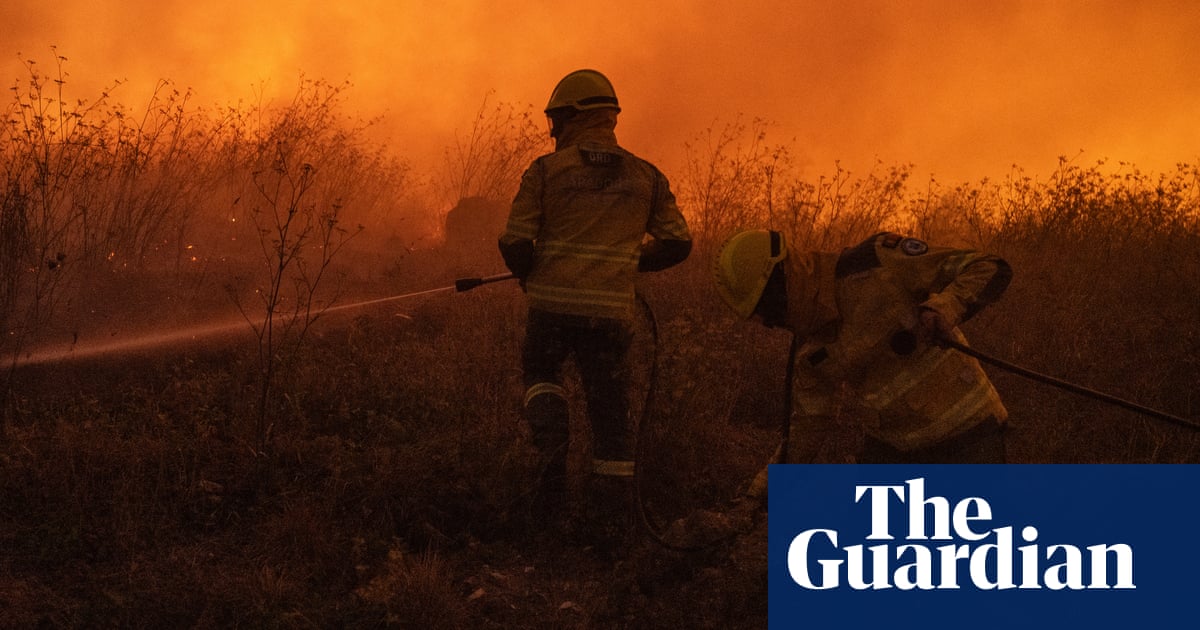
Over the past two decades, the European landscape has witnessed a dramatic surge in forest fires, with an average annual area twice the size of Luxembourg succumbing to flames. These catastrophic events claim lives, devastate ecosystems, destroy homes, and release megatonnes of planet-heating emissions, directly undermining the EU’s own climate targets. While the European Court of Auditors (ECA) commended the increased financial commitment towards fire prevention, their investigation uncovered significant flaws in how these vital resources are allocated. Shockingly, in Greece, authorities responsible for assessing fire risk were still relying on an outdated map from 1980. Meanwhile, in Portugal, a designated priority area for prevention funds was paradoxically submerged due to a recently constructed dam. Such fundamental misalignments between funding intent and on-the-ground reality expose critical deficiencies in strategic planning and implementation, raising flags for any investor tracking the efficiency of large-scale public climate investments.
A Deluge of Capital, A Dearth of Direction
These operational shortcomings emerge against a backdrop of unprecedented financial injections into EU climate resilience efforts. A significant portion of this surge originates from the €650 billion Covid recovery fund, launched in 2020 with the dual mandate of economic recovery and strengthening environmental policies. This fund, largely financed through market borrowing, has channeled substantial sums towards combating forest fires. Greece, for instance, is earmarked to receive a staggering €837 million in recovery funds between 2020 and 2026 for this purpose, a dramatic increase from the €49 million it benefited from during the preceding seven-year budget cycle. Spain and Portugal have similarly experienced sharp upticks in EU financial support for fire management. The sheer volume of capital flowing into these initiatives demands a commensurate level of oversight and strategic deployment, which, according to the auditors, is conspicuously absent.
Transparency, Accountability, and Haste
The €650 billion recovery and resilience fund itself has already drawn scrutiny for its perceived lack of transparency and accountability. The latest report reinforces these concerns, illustrating how member states, under pressure to rapidly disburse funds, have made questionable decisions. A prime example comes from Portugal, where the national rural fire management agency, the very entity tasked with combating blazes, was excluded from critical decisions regarding the allocation of €615 million in Covid recovery funds over seven years for fire prevention. In another instance, a Portuguese authority struggled to meet a stringent 48-hour deadline set by Lisbon to outline its needs for new fire engines. Ultimately, national officials bypassed local input and made key decisions on the procurement of a fleet of 55 vehicles. This pattern of top-down, rushed spending without adequate local engagement or strategic foresight undermines the fundamental purpose of these investments and heightens the risk of ineffective outcomes, a critical factor for investors evaluating the credibility of government-led climate initiatives.
The Ephemeral Nature of Funding and Lasting Risk
EU funds are typically directed towards essential activities like cutting back vegetation to create firebreaks or constructing access roads for firefighting apparatus. However, the temporary nature of the Covid recovery funds, slated to expire in 2026, presents a significant challenge to sustainable fire prevention. Effective firebreak maintenance, for instance, requires vegetation management every three to four years. The looming cessation of this dedicated funding stream raises pertinent questions about the long-term viability of these efforts and who will bear the financial burden for ongoing maintenance. A short-term injection of cash, however substantial, cannot substitute for enduring, well-planned strategies to address a persistent and escalating climate threat. This discontinuity in funding creates an ongoing vulnerability that energy market participants, particularly those exposed to physical climate risks or regulatory shifts, must acknowledge.
Implications for Energy Investors
For the sophisticated investor navigating the complex intersection of energy markets and climate policy, these findings are more than just an administrative footnote. They represent a tangible indicator of ‘climate policy risk’ in its most practical sense. The inefficient deployment of billions of euros, ostensibly aimed at climate resilience, suggests that the path to a robust energy transition is fraught with implementation challenges. This inefficiency could translate into:
- Increased Carbon Emissions: Unchecked fires contribute directly to atmospheric carbon, potentially impacting future carbon pricing mechanisms and regulatory pressures on industrial emitters, including the oil and gas sector.
- Erosion of ESG Credibility: If large-scale environmental spending proves ineffective, it challenges the credibility of broader ESG mandates and the perceived reliability of ‘green’ investments, potentially diverting capital or increasing skepticism.
- Regulatory Uncertainty: A demonstrated inability to effectively execute existing climate policies introduces greater uncertainty into the future regulatory landscape for energy companies, making long-term planning more challenging.
- Higher Costs of Adaptation: Failure to prevent fires means higher costs for response, recovery, and ultimately, climate adaptation, which could indirectly burden national economies and public finances, impacting overall economic stability.
These operational failures underscore the critical need for rigorous oversight and strategic planning in all climate-related investments, regardless of their ‘green’ label. The enthusiasm for climate action must be matched by a disciplined approach to capital allocation and measurable, impactful results.
Conclusion
As Nikolaos Milionis, the ECA member leading the inquiry, aptly summarized, “While more money is positively being allocated to fire prevention, its selection process means funds do not always achieve their maximum impact.” This sentiment resonates far beyond forest management. It serves as a stark reminder to energy investors that the success of climate action, and by extension, the stability of the future energy landscape, hinges not merely on the volume of capital committed, but crucially on its intelligent, transparent, and accountable deployment. The rising threat of climate-fueled catastrophes, compounded by inefficient policy execution, creates a complex risk matrix that demands careful consideration in every investment thesis.


