The Energy Storage Evolution: Reshaping Investment Horizons Amidst Market Volatility
As the global energy landscape navigates a complex interplay of traditional supply-demand dynamics and an accelerating transition, innovative solutions in energy storage are increasingly capturing investor attention. While crude oil markets continue to exhibit their characteristic volatility – with Brent crude currently trading at $95.62, a notable recovery from its recent dip but still down approximately $9 over the past 14 days – the strategic imperative for grid stability and efficient electric vehicle (EV) charging infrastructure is driving significant technological advancements. One such development comes from LS Materials, whose new hybrid energy storage system (H-ESS) for EV charging stations promises to redefine performance, safety, and longevity in a critical sector of the energy transition. For astute oil and gas investors, understanding these shifts is not merely about tracking EV adoption rates; it’s about anticipating the broader electrification trend that will inevitably influence long-term fossil fuel demand and uncover new opportunities.
Powering the EV Future: Beyond Batteries for Grid Resilience
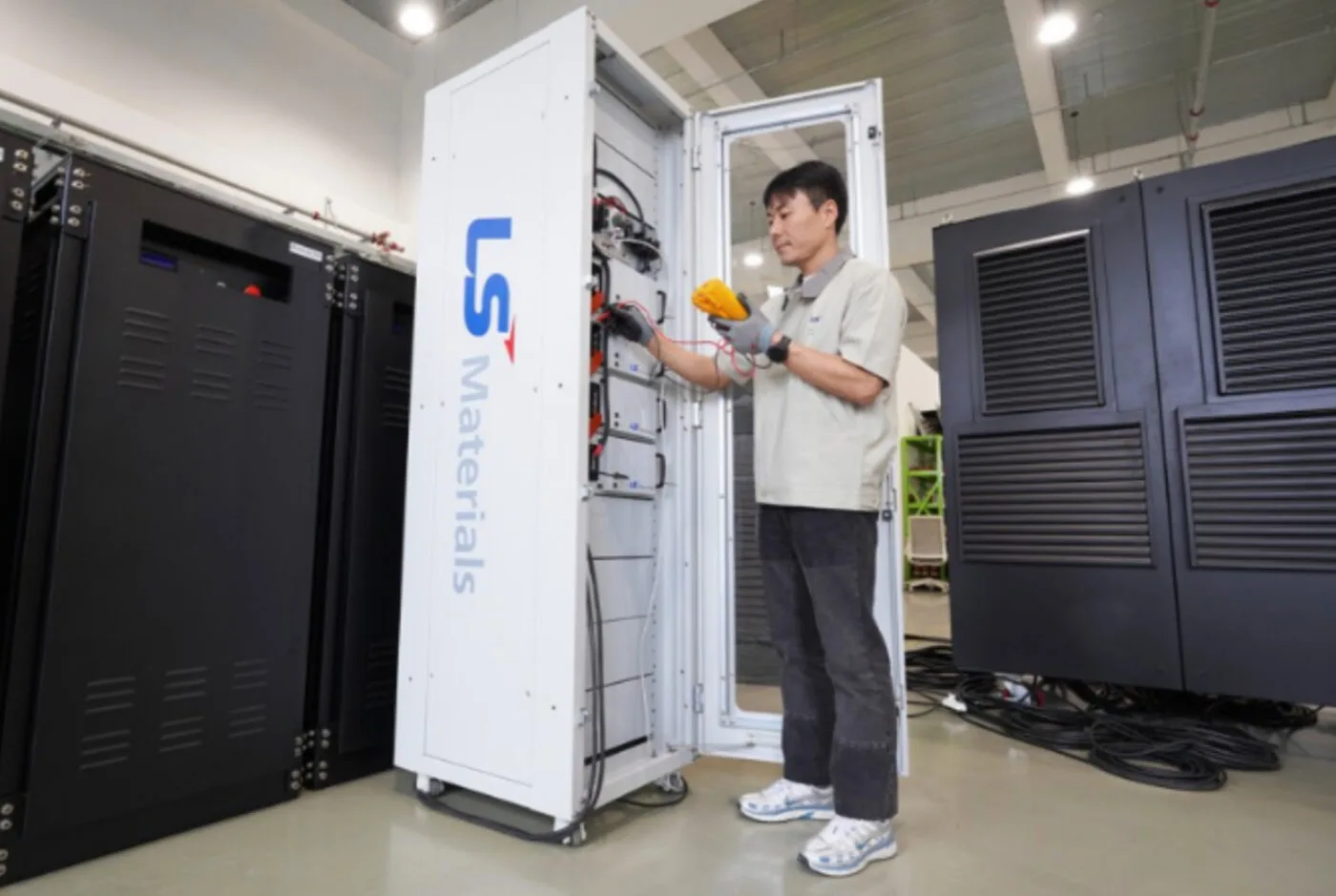
The proliferation of electric vehicles places immense strain on existing electrical grids, particularly during peak charging periods. Fast charging stations, while essential for EV convenience, require robust power delivery and often benefit from integrated stationary storage units that can buffer grid power. LS Materials has introduced a compelling answer with its H-ESS, a system that combines the high energy density of lithium-ion batteries with the rapid charging and discharging capabilities of specialized capacitors. This synergy allows the H-ESS to quickly absorb energy from the grid between charging events, ensuring stable power delivery for multiple vehicles even at peak demand. The company claims significant advantages over conventional stationary storage systems, including reduced heat generation, a minimized fire risk, and a service life that is reportedly five to ten times longer when deployed as an EV charging buffer. These operational improvements translate directly into lower lifecycle costs and enhanced safety, critical factors for the scalable deployment of EV infrastructure. This innovation, supported by South Korea’s Ministry of Trade, Industry and Energy as a “national task,” underscores the strategic importance governments are placing on robust EV ecosystems, even as traditional energy prices, such as gasoline at $2.96 today, continue to fluctuate.
Expanding Horizons: From EVs to AI Data Centers and Renewables
The strategic vision for LS Materials’ H-ESS extends far beyond the realm of electromobility, pointing towards a broader impact on critical sectors requiring rapid response energy solutions. The company’s CEO, Hong Young-ho, has explicitly stated intentions to expand the application of their H-ESS to areas such as AI data centers and renewable energy storage. This expansion is a significant signal for investors. AI data centers, in particular, represent an exponentially growing load on electrical grids, demanding not just massive amounts of power but also highly reliable and instantaneous energy delivery to prevent costly interruptions. Similarly, integrating intermittent renewable energy sources like solar and wind into the grid necessitates advanced storage solutions that can quickly stabilize power fluctuations. For investors keenly asking about the consensus 2026 Brent forecast or seeking to build a base-case Brent price forecast for the next quarter, these developments highlight a powerful trend: the increasing electrification and decentralization of energy demand. While the direct impact on crude oil demand might not be immediate, the sustained growth in these electricity-intensive sectors will accelerate the transition away from fossil fuels for power generation, influencing long-term market fundamentals. The move towards North America and Europe for global market development also indicates a clear intent to target major economic blocs driving both EV adoption and digital infrastructure expansion.
Manufacturing Synergy and the Future Investment Landscape
The operational efficiency and longevity of the H-ESS are only part of the story; the manufacturing strategy behind it also warrants investor attention. LS Materials recently formed a joint venture with Austria’s Hammerer Aluminium Industries in 2024. This collaboration, named HiMK, is slated to produce lightweight aluminum parts crucial for electric vehicles, including body components and battery housings. Critically, the new hybrid storage units themselves are also planned for manufacture at HiMK’s facility in Gumi, South Korea. This integrated approach to manufacturing, combining materials expertise with advanced energy storage production, speaks to a broader trend of supply chain consolidation and technological synergy within the burgeoning energy transition industry. For oil and gas investors accustomed to analyzing upstream and downstream capacity, this represents a new form of industrial capacity building. It highlights the strategic importance of securing supply chains for critical components and specialized manufacturing capabilities in the electrification push. These developments reinforce the narrative that the energy transition is not just about new technologies, but also about the industrial ecosystems built to support them, creating new avenues for capital deployment and potentially influencing demand for traditional industrial commodities.
Navigating the Dual Energy Market: A Strategic Imperative for Investors
The emergence of advanced energy storage systems like LS Materials’ H-ESS exemplifies the profound shifts occurring within the broader energy sector. For oil and gas investors, this presents a nuanced challenge and opportunity. On one hand, the short-to-medium term dynamics of crude oil remain paramount. Investors are currently preparing for the crucial OPEC+ JMMC meeting on April 18th, followed by the full Ministerial on April 20th, which will undoubtedly influence short-term crude trajectories and supply strategies. Weekly crude inventory reports from API and EIA, scheduled for April 21st, 22nd, 28th, and 29th, along with the Baker Hughes Rig Count reports on April 17th and 24th, continue to be critical indicators for immediate market direction. These traditional events dictate the immediate investment thesis in crude. However, simultaneously, the accelerating pace of energy transition technologies, driven by innovations in EV charging, grid stability, and data center power, is laying the groundwork for long-term structural changes in energy demand. Successful investing in today’s energy market requires a dual perspective: astute navigation of traditional oil and gas cycles while strategically identifying and integrating exposure to the foundational technologies that are powering the future. The H-ESS is not just a product; it is a clear indicator of where significant capital and innovation are flowing, shaping the energy landscape well beyond the next OPEC+ decision.