The global energy transition continues to reshape investment landscapes, often manifesting in partnerships that might initially seem peripheral to the core oil and gas markets but carry significant long-term implications. A recent strategic collaboration between APM Terminals, a major international port operator with over 60 terminals globally, and CATL, a leading battery technology provider, exemplifies this trend. This alliance focuses on accelerating the electrification of container handling equipment across APM Terminals’ vast network, pushing towards a net-zero emissions target by 2040. For astute oil and gas investors, this development is not merely a corporate sustainability headline; it represents a tangible, albeit incremental, step in the ongoing structural shift away from fossil fuel demand in heavy industrial applications, demanding a nuanced understanding of future market dynamics.
Electrifying Global Logistics: A New Frontier for Demand Disruption
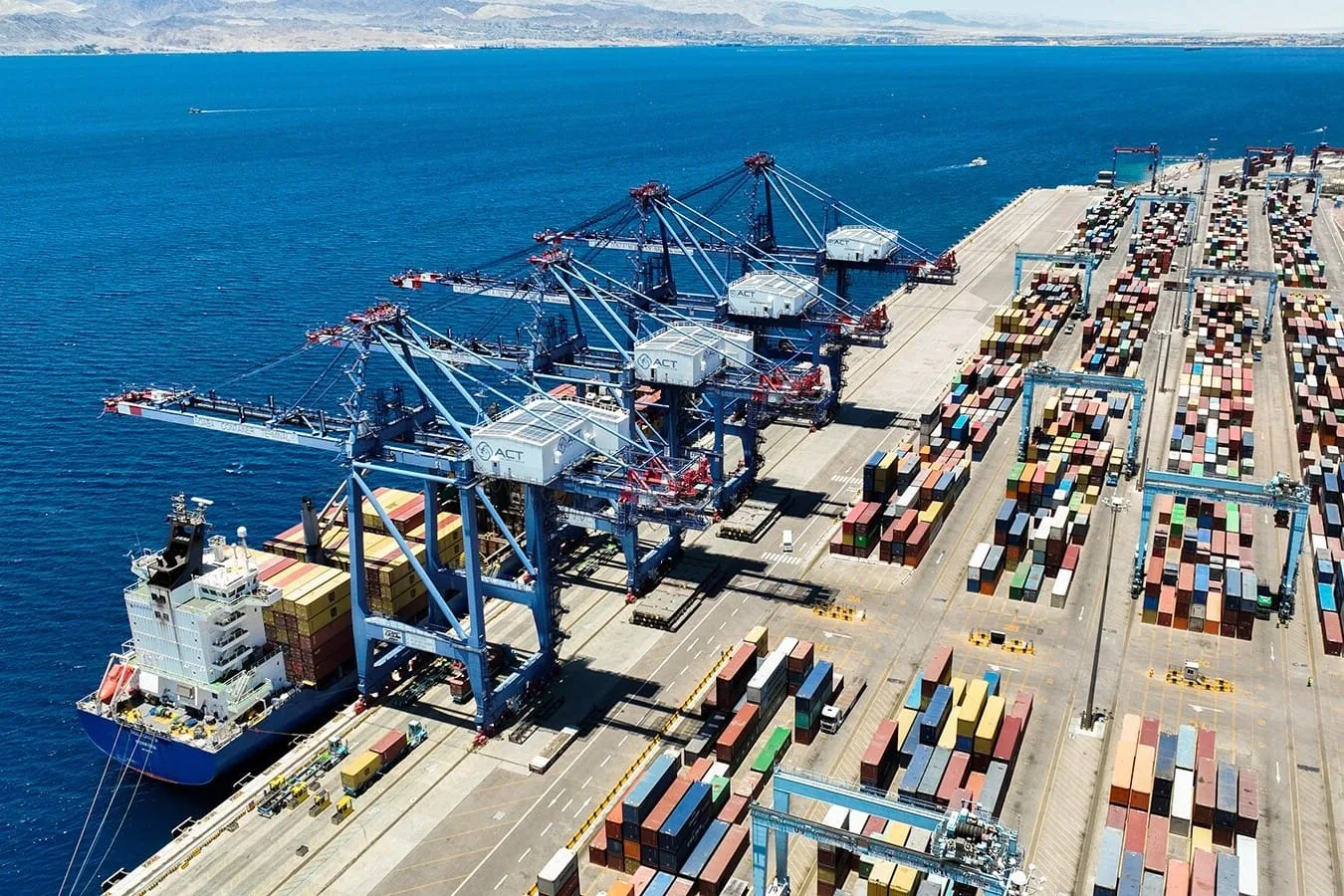
The APM Terminals-CATL partnership marks a significant commitment to decarbonizing port logistics, a sector traditionally reliant on diesel-powered machinery for its intensive operations. The core of this collaboration involves CATL supplying advanced battery technologies and system solutions for integration into container handling equipment, including electric terminal tractor units. This initiative extends beyond merely supplying batteries; it encompasses the full lifecycle, from product development and after-sales support to crucial battery recycling. The Aqaba Container Terminal in Jordan is already serving as a pilot, showcasing the practical application of CATL technology in electrifying port operations. With APM Terminals managing a global footprint of more than 60 operational or developing terminals and targeting net-zero greenhouse gas emissions by 2040, the cumulative effect of this electrification strategy, alongside deploying renewable energy sources like solar and wind, poses a direct, albeit long-term, challenge to diesel demand in the maritime logistics chain. This proactive stance, also seen in their testing of robotic charging solutions for automated lorries at the Maasvlakte II terminal in Rotterdam, underscores a broader industry push that investors cannot afford to overlook.
Market Realities: Macro Volatility Meets Micro Demand Erosion
While long-term decarbonization strategies unfold, the immediate oil market remains subject to its own unique pressures. As of today, Brent crude trades at $95.57 per barrel, reflecting a modest increase of 0.82% within a daily range of $91 to $96.89. Similarly, WTI crude is priced at $91.6, up 0.35%. This relative stability, however, comes after a period of notable fluctuation. Our proprietary data indicates that Brent crude experienced an 8.8% decline over the past two weeks, dropping from $102.22 on March 25th to $93.22 just yesterday. These immediate price movements are often driven by geopolitical events, inventory reports, and broader economic sentiment. Yet, it is crucial for investors to contextualize this volatility against the backdrop of sustained, structural demand erosion initiated by partnerships like APM Terminals and CATL. The electrification of port equipment, while not an overnight game-changer for global oil consumption, represents thousands of individual machines converting from diesel to electric power. These micro-level demand shifts, aggregated across a global network of terminals, incrementally chip away at the total addressable market for diesel, influencing the long-term equilibrium price of crude, even as daily trading reacts to more immediate supply-side news.
Investor Focus: Deciphering Future Demand Signals Beyond the Short-Term Noise
Our proprietary reader intent data reveals a clear preoccupation among investors: they are actively seeking to “build a base-case Brent price forecast for next quarter” and understand “the consensus 2026 Brent forecast.” This highlights a critical need to differentiate between short-term speculative movements and long-term structural trends. The APM Terminals-CATL partnership offers a valuable data point for these forecasts. While the direct impact on global oil demand in a single quarter might appear negligible, the accelerating adoption of battery-electric equipment in heavy industries is a fundamental driver shaping future demand curves. Investors asking about the efficiency of “Chinese tea-pot refineries” or Asian LNG spot prices are focused on current supply and regional dynamics. However, the electrification of port logistics underscores a broader shift that will gradually alter the product slate required from refiners globally. As more sectors transition to electric power, the demand for diesel and heavy fuel oil will face sustained pressure, necessitating a re-evaluation of long-term investment strategies in refining capacity and associated infrastructure. This demands looking beyond immediate market headlines to the underlying technological and operational transformations taking place across industrial sectors.
Ahead of the Curve: Strategic Monitoring in a Transforming Landscape
For investors navigating the energy transition, a keen eye on both traditional market catalysts and emerging technological adoption is paramount. Over the next two weeks, the oil market will experience several key events that typically dictate short-term price action. The Baker Hughes Rig Count on April 17th and April 24th will offer insights into North American production activity, while the OPEC+ Joint Ministerial Monitoring Committee (JMMC) meeting on April 18th, followed by the Full Ministerial Meeting on April 20th, could signal shifts in global supply policy. Furthermore, the API and EIA weekly crude inventory reports on April 21st/22nd and April 28th/29th will provide crucial data on current supply-demand balances in the U.S. While these events are critical for short-term trading and immediate price reactions, the APM Terminals-CATL agreement represents the other side of the equation: the persistent, structural pressure on demand. Investors should not only monitor the outcomes of these traditional events but also track the proliferation of such electrification initiatives in logistics and other heavy industrial sectors. The success and scalability of projects like the Aqaba Container Terminal pilot will provide leading indicators for the pace of diesel displacement, ultimately influencing long-term oil demand forecasts and shaping the strategic allocation of capital within the broader energy complex. The ongoing energy transition requires investors to continuously integrate micro-level technological advancements into their macro-level market outlooks.