The energy transition is often discussed in terms of sweeping policy changes and multi-billion-dollar infrastructure projects. Yet, sometimes the most telling indicators of this shift emerge from seemingly niche developments. The recent contract awarded to Wärtsilä to supply propulsion systems for three all-electric, high-speed ferries in San Francisco Bay is one such signal. While the immediate impact on global crude demand might appear negligible, this project represents a significant milestone: the first all-electric high-speed ferries to be built and operated in the United States. For oil and gas investors, this initiative, part of the San Francisco Bay Ferry’s Rapid Electric Emission Free (REEF) Ferry Program, underscores a persistent, albeit gradual, erosion of marine fuel demand that demands strategic attention amidst the broader market volatility. It’s a tangible example of decarbonization efforts gaining traction, influencing long-term investment horizons even as short-term market dynamics continue to dominate headlines.
Shifting Tides in Marine Fuel Demand
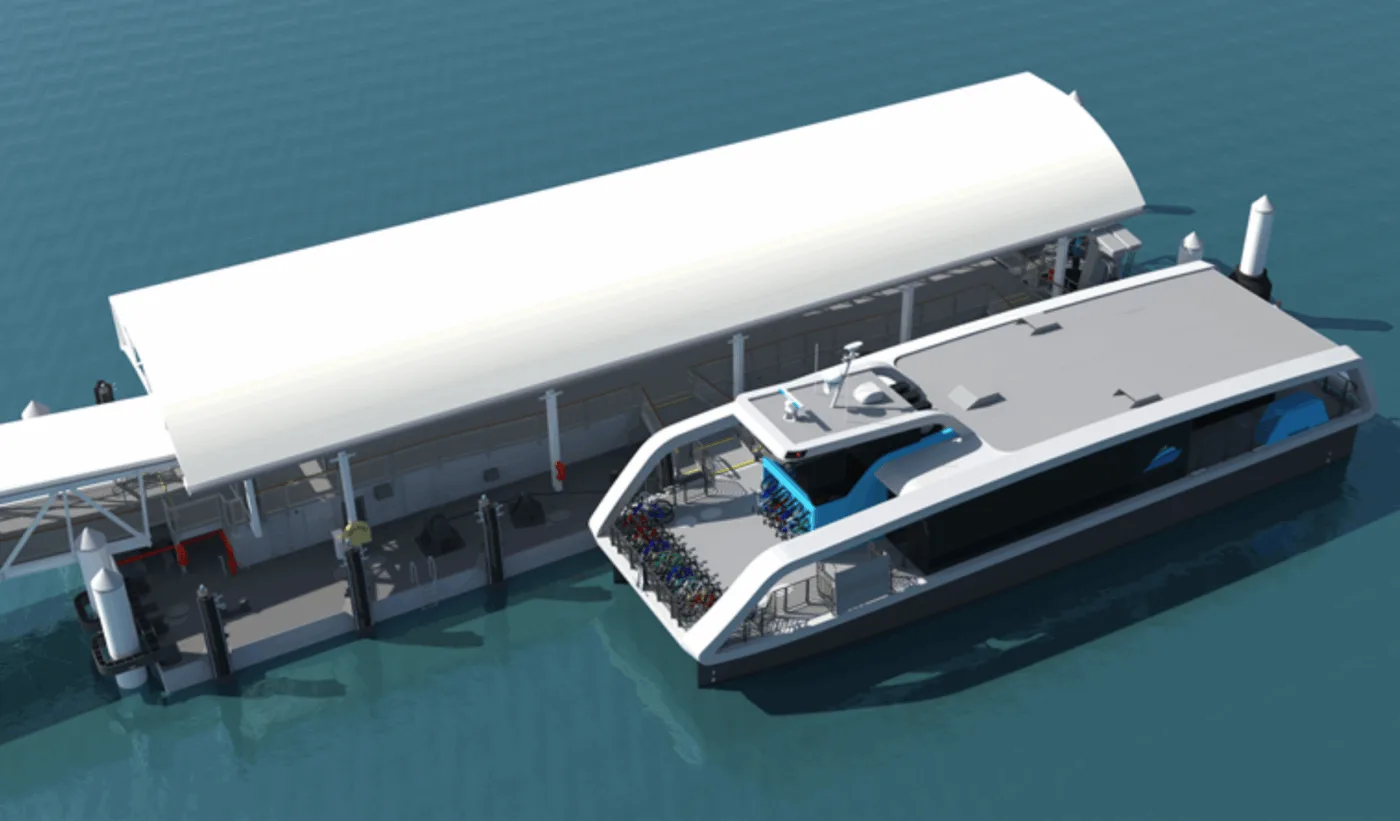
The deployment of these zero-emission vessels in San Francisco Bay marks a pivotal step in marine electrification. Wärtsilä’s comprehensive package, including energy and power management systems, integrated automation, batteries, and E-Motors, will power these 100-foot ferries at speeds up to 24 knots using dual 625-kilowatt electric motors. This is more than just an environmental initiative; it’s a direct displacement of fossil fuel consumption in a critical urban marine corridor. While the scale of three ferries may seem minor in the grand scheme of global oil demand, the trend is undeniable. Wärtsilä’s prior work on plug-in hybrid systems for Scandlines and a large electric vessel for Buquebus operating between Argentina and Uruguay illustrates a broadening international adoption. Each electric ferry represents a permanent reduction in demand for marine diesel, a segment traditionally considered resilient. Investors often overlook these incremental shifts, but collectively, they paint a picture of a future with structurally lower growth in oil demand, especially in accessible, short-haul marine applications. This localized demand destruction, replicated across various ports and waterways globally, will gradually chip away at the marine bunker market, necessitating a strategic reassessment of long-term demand projections for middle distillates.
Navigating Current Market Headwinds and Opportunities
Against the backdrop of these long-term structural changes, the immediate oil market presents a complex picture. As of today, Brent Crude trades at $95.57, reflecting a +0.82% gain on the day, with a daily range between $91 and $96.89. WTI Crude holds at $91.6, up +0.35%, fluctuating between $86.96 and $93.3. This intraday volatility follows a more significant trend; Brent has seen a notable decline over the past 14 days, falling from $102.22 on March 25th to $93.22 by April 14th, representing an 8.8% decrease. This recent softening in prices, despite ongoing geopolitical tensions, suggests a delicate balance between supply concerns and demand realities. Gasoline prices remain relatively stable at $2.97, indicating a steady, albeit not surging, consumer demand. Our reader intent data shows a strong focus on “build a base-case Brent price forecast for next quarter” and “consensus 2026 Brent forecast.” This highlights investor anxiety regarding price direction. While immediate geopolitical events and OPEC+ decisions heavily influence short-term price movements, the accelerating pace of electrification, exemplified by projects like the San Francisco ferries, acts as a subtle but persistent long-term headwind to demand. Savvy investors are not just reacting to daily price swings but are also integrating these deeper, structural demand shifts into their forward-looking models, recognizing that even small, consistent reductions in specific demand segments will compound over time.
The Horizon: Upcoming Events and Their Impact
The next two weeks are packed with critical events that will undoubtedly shape the immediate trajectory of oil and gas markets, providing crucial data points for investors building their Brent price forecasts. On April 17th and again on April 24th, the Baker Hughes Rig Count will offer insights into North American drilling activity, a key indicator of future supply. More significantly, the OPEC+ Joint Ministerial Monitoring Committee (JMMC) meets on April 18th, followed by the full OPEC+ Ministerial Meeting on April 20th. These gatherings are pivotal, as any decision on production quotas or output adjustments will have an immediate and profound impact on global supply levels and market sentiment. Furthermore, the API Weekly Crude Inventory reports on April 21st and 28th, followed by the EIA Weekly Petroleum Status Reports on April 22nd and 29th, will provide essential transparency into US crude and product stockpiles, offering a real-time gauge of demand and supply balances. While these events primarily influence the short to medium term, they occur within an evolving energy landscape where long-term trends, such as marine electrification, continue to gather momentum. Investors must consider how potential OPEC+ supply tightening or US production shifts might interact with the underlying, gradual erosion of fossil fuel demand in sectors like marine transport. This confluence of immediate market catalysts and long-term structural changes creates a complex environment for forecasting, demanding a holistic view that integrates both the cyclical and secular trends shaping the energy sector.
Investor Focus: De-risking Portfolios in a Transitioning Market
Our proprietary reader-question signals confirm that oil and gas investors are acutely focused on understanding the future price trajectory of Brent crude. The recurring queries about “base-case Brent price forecasts for next quarter” and “consensus 2026 Brent forecast” underscore a desire for clarity in a volatile market. The San Francisco electric ferry project, while small, offers a micro-level illustration of a macro-level challenge: how does the oil and gas industry adapt to persistent, albeit gradual, demand erosion from electrification and decarbonization? For investors, de-risking portfolios in this transitioning market involves more than just monitoring OPEC+ announcements or inventory builds. It requires a nuanced understanding of where demand is most vulnerable to disruption. Marine fuel, particularly for short-haul and urban routes, is increasingly becoming a target for electrification. Wärtsilä’s global track record, from the US to Europe and South America, demonstrates that this is not an isolated experiment but a growing segment of the marine industry. Companies with significant exposure to traditional marine fuel markets may face increasing headwinds. Conversely, investors might look for opportunities in companies that are actively participating in or enabling the energy transition, such as those providing specialized propulsion systems or battery technology. The long-term viability of oil and gas assets will increasingly depend on their resilience to these structural shifts. As such, integrating detailed analysis of sectoral demand trends, alongside broader macroeconomic and geopolitical factors, is paramount for building robust and future-proof investment strategies in the dynamic energy market.