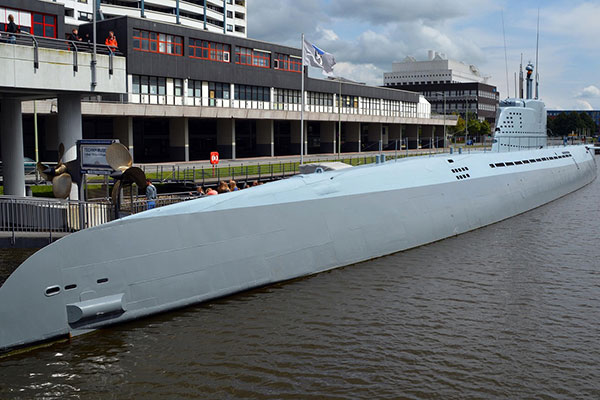
A colossal industrial commitment is set to invigorate the U.S. defense manufacturing sector, with the Defense Logistics Agency (DLA) in Mechanicsburg, Pennsylvania, recently awarding six companies a substantial $5 billion contract. This agreement carries the potential to escalate to an impressive $10 billion, representing a significant capital injection into the nation’s critical supply chains. The primary objective: fortifying the U.S. Navy’s submarine production capabilities, specifically accelerating the output and mitigating delays associated with the strategically vital Virginia-class nuclear submarines.
For investors tracking industrial growth and supply chain resilience, this development signals a robust, long-term commitment to national manufacturing prowess. The DLA’s initiative, known as the Maritime Industrial Capability and Commercial Procurement Program (MICC), aims squarely at modernizing defense supply networks. It seeks to enhance operational readiness by ensuring the Navy gains expedited access to the myriad parts and specialized components essential for sustaining and expanding its submarine fleet.
Strategic Imperative: Fueling Submarine Production
The imperative behind this monumental contract is clear: the U.S. Navy’s ambitious plan to consistently deliver two Virginia-class submarines annually. These advanced vessels form a cornerstone of national security, representing a critical deterrent and projection of maritime power. However, this crucial shipbuilding agenda has encountered persistent hurdles, including widespread labor shortages, constrained supplier capacity across various tiers, and protracted lead times for component sourcing. These bottlenecks have hindered progress, creating a backlog that demands immediate and decisive intervention.
The DLA’s strategic allocation of up to $10 billion directly addresses these supply-side frailties. By injecting significant capital and implementing a multi-vendor approach, the program targets a fundamental uplift in the industrial base supporting naval construction. This move not only seeks to clear current delays but also to establish a more robust, scalable, and responsive supply infrastructure. Investors should recognize this as a critical investment in long-term industrial stability and efficiency, impacting a wide array of manufacturers, from raw material suppliers to advanced component producers.
The MICC Program: Modernizing for Resilience
At the heart of this strategic overhaul lies the MICC program. This initiative represents more than just procurement; it embodies a holistic approach to strengthening the entire defense industrial ecosystem. By engaging a diverse array of suppliers, including smaller and mid-sized enterprises, the Pentagon aims to foster a more agile and competitive supply base. This diversification reduces reliance on a limited number of vendors, thereby mitigating risks and enhancing overall resilience—a lesson hard-learned across various industries, including the energy sector, in recent years.
DLA officials articulate a clear vision: “DLA is committed to strengthening the Navy’s maritime advantage by ensuring a more resilient, responsive supply chain.” They emphasize that “the MICC program will help increase capacity in key areas of the submarine industrial base, reduce part lead times, and improve overall readiness.” This emphasis on capacity building and lead time reduction resonates deeply with industrial investors, highlighting opportunities for companies capable of scaling production and optimizing logistics within demanding environments. The principles of resilience and responsiveness are transferable and highly valued in dynamic markets like oil and gas, where supply chain disruptions can have profound financial impacts.
Key Players and Contract Mechanics
Six prominent companies have secured positions on this pivotal contract, signaling their readiness to contribute to national defense and capitalize on this significant industrial expansion. These firms include Culmen International, SupplyCore, ASRC Federal, Valiant Defense Services, Planate Management Group, and Echelon Services. These contractors, specializing in diverse aspects of defense logistics, supply chain management, and engineering support, are now poised to play a crucial role in fulfilling the Navy’s strategic objectives.
The contract structure itself offers stability and flexibility, utilizing an Indefinite Delivery/Indefinite Quantity (IDIQ) framework. This robust arrangement comprises five one-year base periods, coupled with five one-year option periods, potentially extending the total contract duration to a full decade. Such a long-term commitment provides substantial revenue visibility for the awarded companies, allowing them to invest in necessary infrastructure, skilled labor, and technological advancements with confidence. This IDIQ model enables the DLA to rapidly source hard-to-find parts, specialized maintenance services, and bespoke components required for continuous submarine production, adapting to evolving needs without repeated, time-consuming procurement cycles. Investors in these companies and their sub-contractors can anticipate sustained demand and consistent operational engagement.
Investing in Industrial Capacity and Future Readiness
The implications of this $10 billion program extend far beyond the immediate goal of submarine construction. It represents a critical investment in the broader U.S. industrial base, fostering growth in advanced manufacturing, specialized engineering, and high-tech logistics. The drive to increase capacity in key industrial segments, reduce component lead times, and enhance overall readiness creates a powerful economic multiplier effect. This benefits not only the direct contractors but also a vast network of suppliers, skilled trades, and technology providers across the nation.
For investors focused on the robust expansion of heavy industry, the DLA’s commitment signals a period of sustained activity. Many of the underlying technologies and manufacturing processes, from precision machining of specialized alloys to complex systems integration, share commonalities with the energy sector. Improvements in the defense industrial base, such as enhanced material science, advanced welding techniques, or digital supply chain management, can often lead to beneficial spillovers or improved capabilities in other demanding sectors like oil and gas, contributing to overall economic strength and technological advancement.
Broader Market Implications and Investor Outlook
While directly tied to defense, this substantial industrial investment carries significant implications for a wide range of investors, including those with a keen eye on the energy market. A strong national industrial base, underpinned by robust defense spending, contributes significantly to economic stability and technological leadership. This stability, in turn, underpins a predictable environment for energy markets, facilitating long-term capital allocation in oil and gas exploration, production, and infrastructure.
Moreover, the focus on supply chain resilience, skilled labor development, and advanced manufacturing capacity within the defense sector provides valuable insights and potential benefits for the energy industry. Companies involved in manufacturing critical components—valves, pumps, specialized piping, control systems—often serve both defense and energy sectors. An uplift in demand and capacity for one can positively impact the other, leading to improved economies of scale, faster innovation cycles, and a stronger, more adaptable domestic manufacturing footprint. Investors should view this as a powerful indicator of sustained industrial activity and a commitment to fortifying critical national capabilities, indirectly supporting the broader economic landscape vital for energy sector prosperity. The immediate commencement of work by the awarded companies underscores the urgency and scale of this impactful industrial endeavor, creating tangible opportunities for growth and value creation in the years ahead.