Driving the Green Revolution: Blue Energy Motors Powers Logistics with LNG Heavy-Duty Trucks
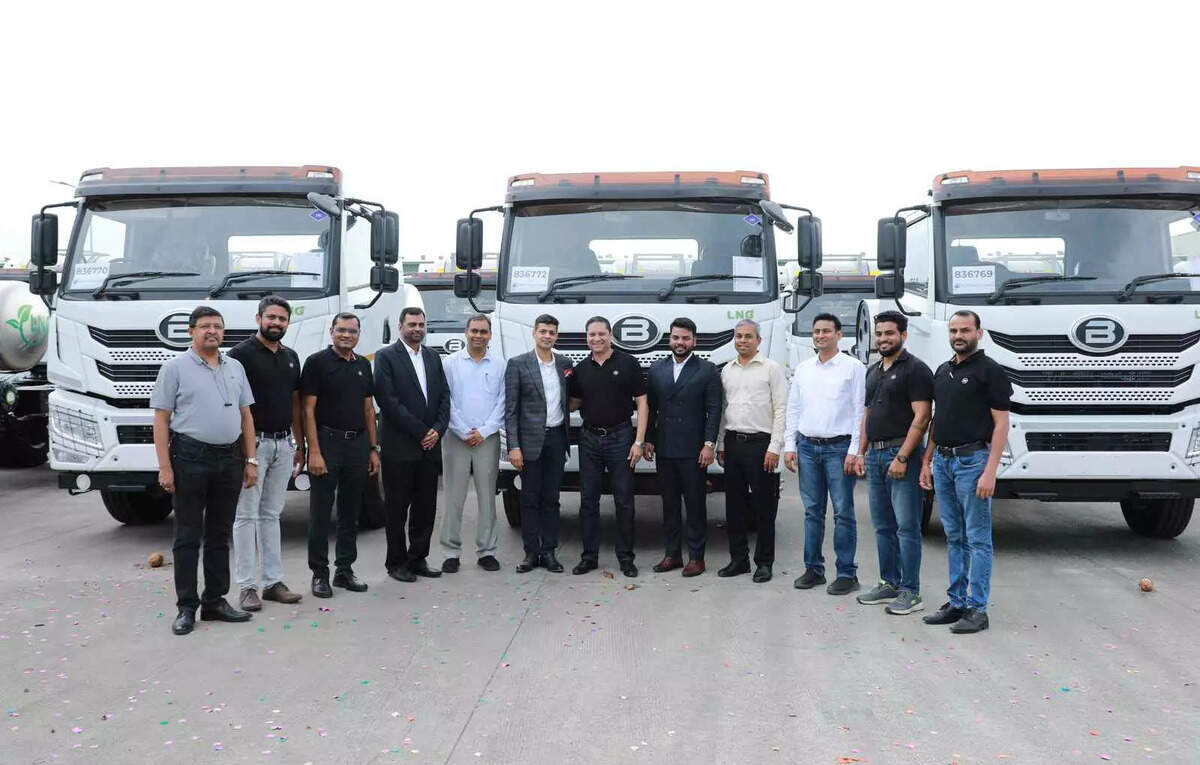
The landscape of heavy-duty transportation is undergoing a profound transformation, driven by an urgent global imperative for decarbonization and a relentless pursuit of operational efficiencies. In this evolving energy paradigm, Liquefied Natural Gas (LNG) is emerging as a critical alternative fuel, offering a compelling blend of environmental benefits and economic advantages. A significant development in this shift came to light on June 9, 2025, as Blue Energy Motors, a prominent manufacturer of LNG-powered commercial vehicles, announced a strategic delivery that underscores the growing momentum behind cleaner logistics solutions. The company confirmed the handover of eight LNG-powered heavy-duty trucks to Inland World Logistics, a major player in India’s logistics sector, marking Inland’s inaugural venture into sustainable freight operations.
This pivotal delivery, celebrated at a ceremony held last week at Blue Energy Motors’ state-of-the-art manufacturing facility in Chakan, Pune, signifies more than just a transaction. It represents a tangible commitment from key industry players to embrace a lower-carbon future, an essential signal for investors monitoring the energy transition and the burgeoning market for alternative fuel vehicles. For Inland World Logistics, integrating these advanced trucks into its fleet is a strategic move to future-proof its operations against tightening environmental regulations and increasing customer demand for sustainable supply chains.
Performance and Profitability: The LNG Advantage for Fleet Operators
The appeal of LNG-powered trucks extends far beyond environmental stewardship; it’s a compelling proposition rooted in tangible operational and financial benefits. Blue Energy Motors emphasizes that its LNG trucks deliver performance with “zero compromise on payload or power.” This critical assurance addresses a primary concern for fleet operators: the need to maintain productivity and hauling capacity while transitioning to cleaner fuels. The ability to match or exceed the performance metrics of traditional diesel engines ensures that the shift to LNG does not entail a trade-off in efficiency or profitability for logistics companies.
Financially, these vehicles present a strong case for investment. They boast a significant 30 percent reduction in carbon emissions compared to diesel counterparts, aligning directly with global Environmental, Social, and Governance (ESG) mandates that are increasingly influencing corporate valuations and investor decisions. Beyond the environmental gains, the “drastically reduced operating costs” associated with LNG are a game-changer for businesses navigating volatile fuel markets and seeking to optimize their bottom line. Lower fuel expenses, coupled with potentially reduced maintenance costs due to cleaner combustion, translate into a more favorable total cost of ownership (TCO) over the vehicle’s lifespan. This economic advantage positions LNG trucks as a highly attractive solution for fleets aiming for ESG-aligned efficiency without sacrificing financial performance.
Expanding Footprint: A Proven Track Record in India’s Logistics Sector
The delivery to Inland World Logistics is not an isolated event but rather a continuation of Blue Energy Motors’ assertive expansion strategy within the Indian heavy-duty transport market. The company has already established a robust presence, with an impressive fleet of over 800 LNG trucks actively operating across various logistics networks. Prominent operators such as Container Corporation of India (CONCOR) and Greenline, among others, have already integrated Blue Energy Motors’ LNG vehicles into their extensive logistics operations. This established track record provides strong validation of the reliability, efficiency, and commercial viability of their technology.
The sustained adoption by major logistics players like CONCOR and Greenline underscores a growing industry confidence in LNG as a viable, long-term solution for freight transportation. For investors, this demonstrates not just market acceptance but a proven scalability of Blue Energy Motors’ offerings. The company is actively building a significant market share, positioning itself as a leader in India’s nascent but rapidly expanding green logistics sector. This momentum suggests a clear path for future growth, driven by both regulatory pressures and economic incentives for fleet decarbonization.
Investment Implications: Fueling Growth in the Natural Gas Value Chain
The proliferation of LNG-powered trucks has far-reaching implications across the energy and automotive investment landscape. For investors in natural gas, the increasing adoption of LNG as a transport fuel represents a new, substantial demand vector. This shift could stabilize and potentially increase natural gas consumption, strengthening the financial outlook for exploration and production companies, midstream infrastructure providers, and LNG suppliers. The development of a robust LNG bunkering and fueling station network will be crucial, opening up investment opportunities in infrastructure development and distribution.
For the automotive sector, Blue Energy Motors’ success highlights the potential for manufacturers specializing in alternative fuel powertrains. Companies that innovate in engine technology, fuel storage systems, and vehicle integration for LNG and other low-carbon fuels stand to capture significant market share. Investors should evaluate firms with strong R&D capabilities and a proven ability to scale production. Furthermore, the broader logistics sector benefits from these innovations, as companies like Inland World Logistics gain a competitive edge through reduced operating costs and enhanced ESG credentials, potentially leading to improved financial performance and investor appeal.
The Road Ahead: Challenges, Innovation, and Policy Support
While the trajectory for LNG in heavy transport appears promising, challenges remain. The build-out of a comprehensive LNG fueling infrastructure is paramount to support widespread adoption. Governments and private enterprises will need to collaborate to ensure accessibility and convenience for fleet operators. Policy support, including incentives for green vehicle purchases and fuel tax structures that favor cleaner alternatives, will also play a critical role in accelerating the transition. Continued innovation in engine efficiency, fuel storage, and overall vehicle design will further enhance the attractiveness of LNG trucks.
Blue Energy Motors’ ongoing deliveries and expanding fleet demonstrate a clear commitment to technological advancement and market leadership. The synergy between economic efficiency, environmental responsibility, and robust performance is undeniable, making LNG a cornerstone of the future of heavy-duty logistics. As the global energy transition gains pace, companies that strategically invest in and deploy such solutions are poised for long-term success, offering compelling opportunities for discerning investors.


