The global economy is a complex web, where trends originating in one sector inevitably ripple through others, often in unexpected ways. While AI and social media are widely recognized for revolutionizing retail and e-commerce, their deeper implications for heavy industry, particularly oil and gas, are becoming increasingly profound. For energy investors, understanding these shifts is not merely about tracking consumer habits; it’s about anticipating changes in demand drivers, operational efficiencies, and the very structure of future energy markets. The integration of advanced analytics, the rise of digital-first logistics, and an accelerating focus on environmental stewardship are all reshaping the investment landscape for crude, natural gas, and refined products.
AI’s Transformative Role in Energy Operations and Market Dynamics
The widespread adoption of AI-powered tools in consumer-facing industries, where 7 out of 10 shoppers now seek AI-driven features like virtual assistants and voice search, mirrors a growing imperative for similar technological integration within the energy sector. For oil and gas companies, AI is not about virtual try-ons, but about optimizing every facet of the value chain – from exploration and production to refining and distribution. Predictive analytics can enhance seismic interpretation, identify optimal drilling locations, and anticipate equipment failures, drastically reducing downtime and operational costs. Real-time data processing, a hallmark of AI’s capability, can optimize pipeline flow, manage vast logistical networks, and improve the efficiency of complex refining processes.
Such efficiency gains are paramount in a volatile market. As of today, Brent crude trades at $95.92, marking a 1.19% increase for the session, yet the commodity has seen a notable dip of nearly 9% from its $102.22 peak just three weeks ago. WTI crude follows a similar trajectory, currently at $92.37. This kind of price fluctuation underscores the critical need for energy companies to leverage advanced technologies like AI to optimize costs, enhance operational resilience, and maintain profitability regardless of market swings. Investors are keenly watching which firms are leading in this digital transformation, understanding that technological prowess translates directly into competitive advantage and long-term value.
Shifting Consumer Habits and the Fueling of Digital Logistics
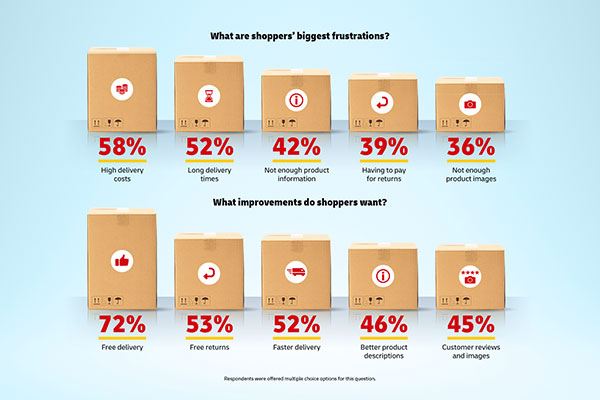
The explosive growth of social commerce, where 70% of global shoppers have already made a purchase through platforms like TikTok and Instagram, and expect them to be their primary shopping channel by 2030, presents a nuanced demand signal for the oil and gas sector. This trend, projected to drive social media sales to a staggering $9 trillion by 2030, translates into an exponential increase in logistical activity. Every online purchase, every delivery, every return, requires transportation – from last-mile delivery vans to long-haul trucks, cargo ships, and air freight. The source report highlights that 81% of shoppers abandon carts if their preferred delivery option is missing, emphasizing the absolute criticality of robust, reliable supply chains.
This surge in physical goods movement directly impacts demand for refined products, particularly diesel and gasoline. Investors are asking about the operational health of key regional refining hubs, such as “How are Chinese tea-pot refineries running this quarter?”, as these smaller, agile facilities often cater directly to rapidly expanding regional logistics networks. Similarly, questions like “What’s driving Asian LNG spot prices this week?” reflect broader regional energy demand, which is intrinsically linked to industrial activity and the massive logistical infrastructure supporting global e-commerce. The efficiency and reliability of these supply chains are not just a retail concern; they are a fundamental driver of demand for refined fuels.
Sustainability as a Core Investment Thesis, Not a Peripheral Concern
The increasing consumer expectation for sustainable options in e-commerce—with 72% of global shoppers considering sustainability and 1 in 3 abandoning a cart over environmental concerns—is not confined to retail. This powerful sentiment is exerting immense pressure on the oil and gas sector, pushing ESG (Environmental, Social, and Governance) factors to the forefront of investment decisions. Gen Z, for whom nearly 1 in 2 have abandoned a cart due to sustainability issues, represents a future generation of consumers and, critically, investors, who will demand greater accountability from energy producers.
For energy investors, this means a rigorous re-evaluation of portfolios. Companies demonstrating a clear path to decarbonization, investing in carbon capture technologies, exploring renewable energy integrations, or improving operational sustainability are likely to attract more capital. The traditional metrics for “base-case Brent price forecasts for next quarter” and the “consensus 2026 Brent forecast” are increasingly influenced by these long-term sustainability pressures on demand. Investors are now actively assessing the energy transition risks and opportunities, understanding that consumer preferences, amplified by social media and policy, will dictate future market share and profitability for conventional energy sources.
Navigating Near-Term Catalysts: Upcoming Events to Watch
While long-term trends like AI integration and sustainability reshape the strategic landscape, immediate market movements are often dictated by a series of critical upcoming events. Investors seeking to refine their short-term outlooks, particularly for building a base-case Brent price forecast for the next quarter, must pay close attention to the following calendar entries.
The highly anticipated OPEC+ Joint Ministerial Monitoring Committee (JMMC) meeting on April 18th, followed by the Full Ministerial Meeting on April 20th, will be crucial. Any decisions regarding production quotas could significantly impact global supply and, consequently, crude prices. Concurrently, the Baker Hughes Rig Count reports on April 17th and April 24th will provide vital insights into North American drilling activity, signaling potential shifts in U.S. shale supply. On the demand side, the API Weekly Crude Inventory reports on April 21st and April 28th, alongside the EIA Weekly Petroleum Status Reports on April 22nd and April 29th, will offer real-time snapshots of U.S. crude and product inventories, serving as key indicators of market balance. These events, occurring within the next two weeks, will provide the fundamental data points that will help investors gauge the immediate trajectory of the oil market and shape their short-term trading and investment strategies amidst the broader shifts in technology and consumer behavior.