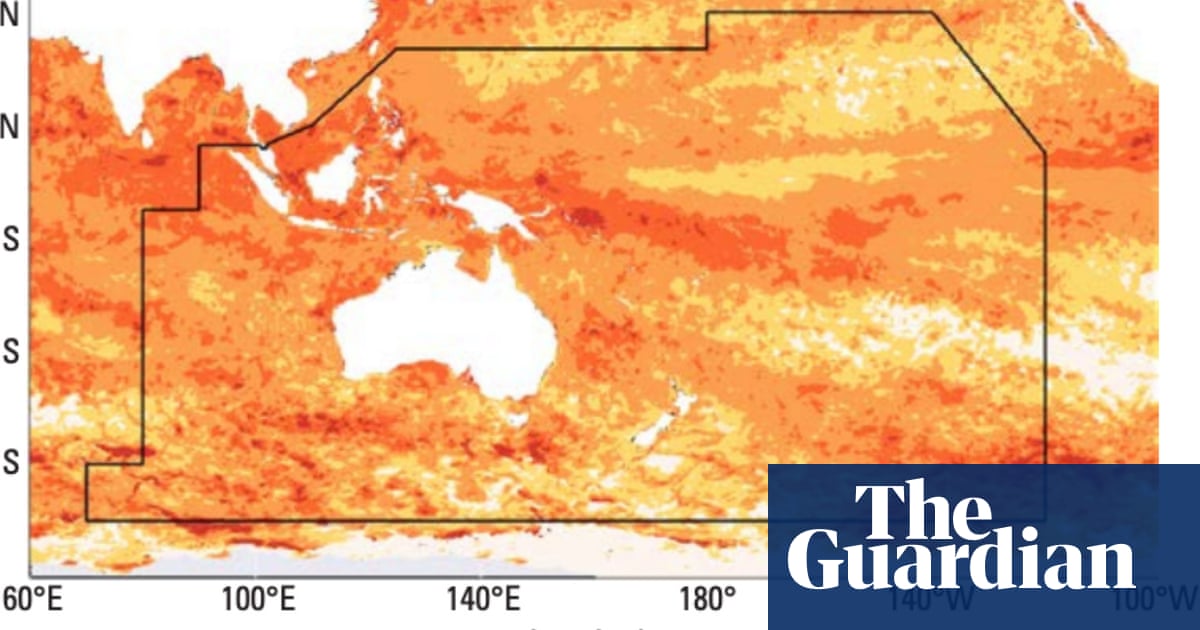
A vast marine heatwave encompassing nearly 40 million square kilometers across Southeast Asia and the Pacific in 2024 has unveiled a critical, underappreciated risk factor for global offshore energy investments. This unprecedented event, driven by a rapidly changing climate, presents more than just an environmental concern; it introduces tangible operational disruptions, supply chain vulnerabilities, and heightened financial exposure for oil and gas companies operating in one of the world’s most vital energy corridors. As investment analysts, we must integrate these escalating climate realities into our risk models, recognizing the potential for long-term impacts on asset valuations and regional energy security.
Escalating Climate Volatility: A Direct Threat to Offshore Assets
The sheer scale of the 2024 marine heatwave, covering an area five times the size of Australia, signifies a new baseline for climate volatility. Ocean temperatures in the affected region soared 0.48 degrees Celsius above the 1991-2020 average, coinciding with a cascade of extreme weather events. These included deadly landslides in the Philippines, major flooding across Australia, Singapore, and Malaysia displacing over 137,000 people, and a doubling of tropical cyclones striking the Philippines, causing an estimated $430 million in damages. For the offshore energy sector, these events translate directly into increased operational risks. Higher sea levels, rising at an accelerated 4mm per year in the region compared to the global average of 3.5mm, threaten the integrity and longevity of coastal infrastructure, processing plants, and port facilities essential for supporting offshore operations. More intense and frequent storms not only pose direct threats to drilling rigs, production platforms, and pipelines but also disrupt logistics, necessitate costly evacuations, and lead to prolonged downtime, all of which erode profitability and introduce significant project delays.
Market Signals Amidst Climate Uncertainty and Investor Queries
The immediate impacts of such extreme weather events can ripple through global energy markets, influencing both supply and demand dynamics, particularly in the energy-hungry Asian region. Our proprietary reader intent data reveals investors are keenly focused on understanding “What’s driving Asian LNG spot prices this week?” and “How are Chinese tea-pot refineries running this quarter?” Climate-induced disruptions, such as port closures due to typhoons or reduced industrial activity from widespread flooding, directly influence LNG demand and refinery throughput, creating short-term price volatility and supply chain bottlenecks. As of today, Brent Crude trades at $96.25, up 1.54% within a daily range of $91 to $96.89, while WTI Crude sits at $92.58, also showing a 1.42% increase. However, this rebound follows a significant 8.8% decline in Brent over the past two weeks, falling from $102.22 to $93.22. This recent volatility underscores how market sentiment remains sensitive to a confluence of factors, including the emerging recognition of climate-related operational risks. While gasoline prices currently stand at $2.99, up 0.34%, persistent disruptions in key refining or distribution hubs within Asia could exert upward pressure, further complicating the supply landscape.
Navigating Future Volatility: Upcoming Events and Strategic Outlook
Forward-looking analysis must now factor in the heightened probability of these climate-driven disruptions. Investors are actively seeking a “base-case Brent price forecast for next quarter” and a “consensus 2026 Brent forecast,” and these projections increasingly require a robust assessment of environmental risks. The frequency and intensity of extreme weather events, as highlighted by the recent heatwave, introduce significant uncertainty into long-term supply stability and demand patterns. Upcoming industry events will provide crucial insights into how producers are responding to current market conditions and future challenges. The OPEC+ Joint Ministerial Monitoring Committee (JMMC) meeting on April 18th, followed by the Full Ministerial meeting on April 20th, will be pivotal in shaping global supply policy. Any decisions on production adjustments will need to consider the potential for climate-induced supply shocks, especially from regions prone to extreme weather. Furthermore, the regular Baker Hughes Rig Count reports on April 17th and 24th, along with the API and EIA Weekly Crude Inventory reports on April 21st, 22nd, 28th, and 29th, will offer a granular view of drilling activity and inventory levels, serving as leading indicators of resilience and capacity in the face of evolving operational challenges. Firms that proactively invest in climate-resilient infrastructure and diversified supply chains will likely gain a competitive edge in this new risk environment.


